- Published Oct 6, 2026 11:40 AM KST
From July 16-26, I attended the General Assembly and Academic Conference of the <a href="https://absafricatv.com/international-friendly-schedule-today-how-to-watch-tv-channels-live-stream/” title=”International friendly schedule today: How to watch, TV channels & live stream”>International Association for Mission Studies held at the University of South Africa in Johannesburg, There, I presented a paper in the Gender and Mission study group. Departing from Incheon International Airport, I had a one-night layover in Singapore before embarking on an 11-hour flight to Johannesburg. I arrived past 7 p.m., when it was already dark.
Having been repeatedly advised regarding the precarious security situation in South Africa, I maintained heightened vigilance throughout my arrival. Fortunately, I met the prearranged hotel driver without issue and traveled a considerable distance to the hotel. Situated in the southern part of the African continent, the region was experiencing late autumn or early winter conditions, marked by chilly mornings and evenings. Adapting to this sharp climatic shift from Singapore’s intense summer heat required careful attention, prompting me to layer my clothing.
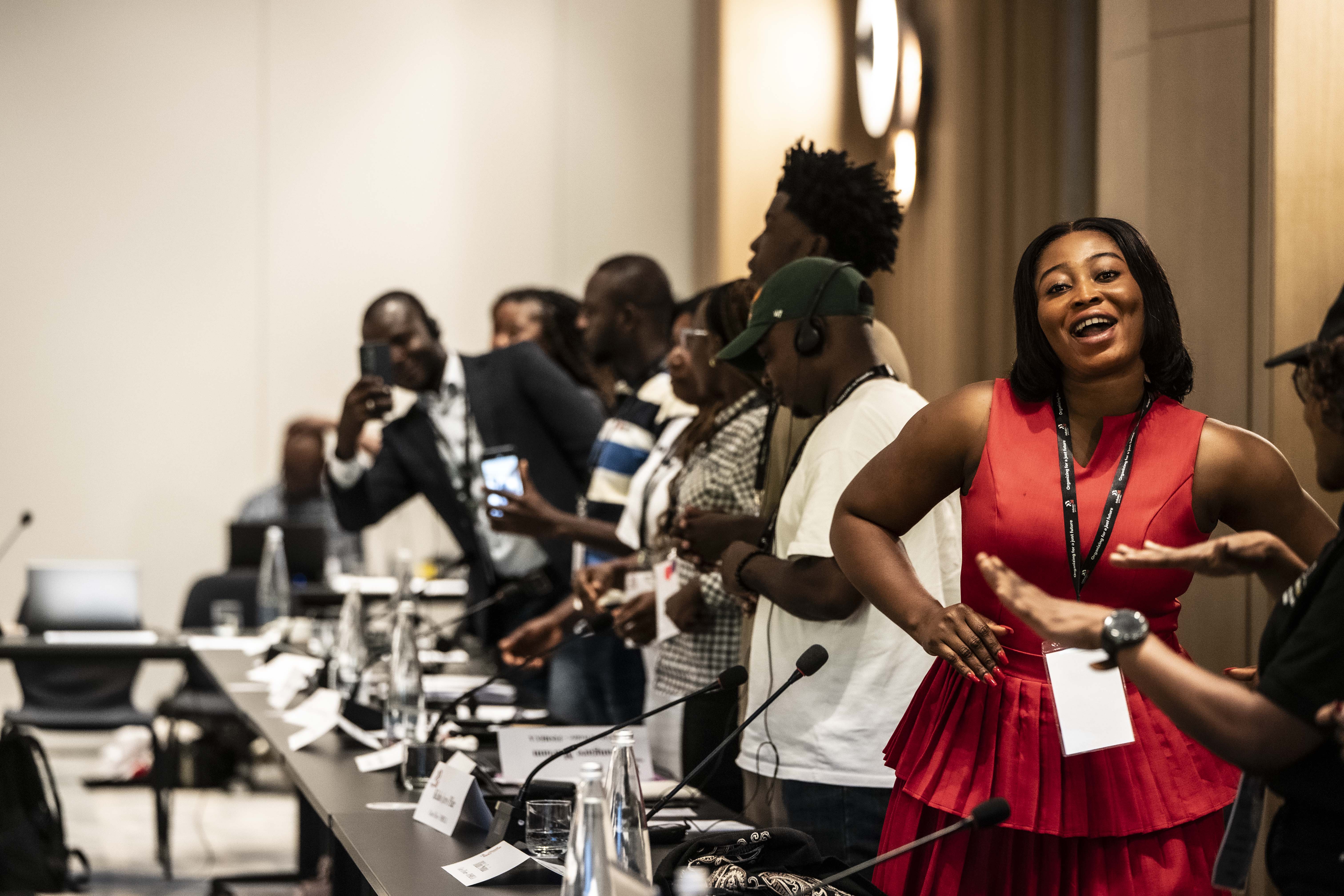
The conference proved highly enriching as I participated in keynote addresses, plenary lectures and various study group paper presentations. Discussions varied greatly according to the distinct geopolitical and cultural contexts of each nation, yet shared human experiences fostered meaningful cross-cultural empathy. I was particularly impressed by presentations highlighting how African women, navigating severe economic oppression and patriarchal adversity in harsh local realities, construct their own narratives and strive toward autonomous, emancipatory lives. This provided valuable exposure to several African feminist scholars whose works remain largely unrecognized in Korea.
During the conference, I had a brief yet profound conversation with an African woman — a mother of three who was divorced. Though our interaction was fleeting and we did not exchange even our names, she shared how she managed both economic labor and the arduous responsibilities of single motherhood. I expressed deep empathy for her struggles as a single parent raising three children. In that moment, her face looked like that of the Virgin Mary.
The University of South Africa was a remarkably expansive complex, set within an open landscape entirely devoid of surrounding residential areas, commercial amenities or recreational facilities. Accustomed to the densely populated and complex urban environment of Seoul, I found this spatial isolation quite unfamiliar.
For transportation between the university and the hotel, I relied on hotel shuttles and rideshare services. However, due to South Africa’s precarious security conditions, solitary travel for women or even group travel composed solely of women was strictly discouraged. Consequently, I had to meticulously coordinate my schedule to travel alongside male colleagues. This arrangement proved significantly inconvenient and restrictive. When a nation suffers from public insecurity and societal instability, women invariably bear the primary burden — a distressing reality. While Korea is generally considered safe, women there nonetheless face pervasive anxieties and challenges in their daily lives.
Lee Nan-hee studied English and Theology at Hanshin University.