


As prosecutors, we are trained to seek justice. While working for a district attorney, I specialized in sexual offenses and crimes against children. I understood why victims of sexual harm rely on the criminal legal system. But as a victim, I grappled with the contradiction of my professional life and what I wanted personally—an alternative.
While preparing cases for trial and negotiating plea agreements within the system, I was planning my own accountability process outside of it. I, too, seriously considered the criminal system because it was the only accountability option I thought that I had. The sexual abuse that I experienced by my former stepfather lasted about a decade and stopped when I turned 18. Thirteen years later, while in law school during the COVID-19 pandemic, I discussed what a criminal process would look like with my therapist.
I imagined the impact of a sexual offense on my former stepfather’s record. As an attorney, I regularly stood up in court advocating for the sex offender registry on behalf of the state, but as a victim, I felt differently. I read the research and knew about the issues with those registries—that they often did the opposite of their intention by making communities less safe.
I imagined a trial, concerned about the process being retraumatizing—not only for me but for my family. As an attorney, I did everything in my power to counteract that trauma in my cases, but as a victim, it was too great a risk. I didn’t want to make a victim impact statement; I wanted dialogue. I didn’t want to stand up in court; I wanted to sit down in community face-to-face. I didn’t want an adversarial process that was about evidence or lack thereof; I wanted the truth and a detailed accounting of it.
My therapist asked me: “What do you need from your mom?”
“What do you need from your brother?”
“What do you need from your former stepfather?”
It took months to articulate a list. But I created it and edited it and edited it again—getting as clear as possible on what I needed to heal—what I needed for not merely carceral accountability but meaningful accountability.
“I want to share the impact of how the abuse has affected my physical and mental health,” I’d say to my therapist over the Zoom screen. “I want my former stepfather to articulate a timeline of the abuse, validating my memories and filling in gaps that I cannot remember due to the trauma.
“I want my mom and brother to be there as witnesses, so that they can ask questions and share the impact of the abuse on their lives. I want to know there are no other victims, and that he will never harm anyone else. I want to know that he is in individual therapy and has community support, so he is less likely to reoffend, and if he isn’t, I want to assist in getting those resources.”
I didn’t realize it at the time, but I was describing restorative justice.
Restorative justice’s framework views “crime, conflict and wrongdoing as harm to relationships and not merely violation of the law.” In restorative justice, accountability means “repairing harm is more important than punishment by isolation and ostracization, and survivor-identified needs must be centered in that process.”
Rather than asking, “What law was broken, who broke it and how should they be punished?” restorative justice asks, “Who was harmed? What do they need? [and] Whose obligation is it to meet those needs?”
Now that I had language, I called the district attorney’s office where the abuse occurred and inquired about restorative justice. The prosecutor on the other end of the phone responded with, “What is restorative justice?” I didn’t want to be their first case without a proper infrastructure in place.
So I pivoted. I contacted local and national nonprofits that highlighted restorative justice on their websites. But that was a dead end. The issue wasn’t me. It was that cases of sexual harm were ineligible.
I started to feel like what I wanted was an impossible ask. I started to feel like I didn’t matter. Like my experience and the harm that happened to me didn’t matter.
And then I found Ahimsa Collective, a nonprofit based in California. I was comforted to read on the website: “We accept cases of sexual harm.” After I was accepted and after nine months of rigorous planning, the restorative justice conference was everything that I had wanted and more. I look forward to sharing further in another capacity, but for now, there were tough conversations, raw emotions and tears. There was no hand-holding and no kumbaya, but there was love.
As of this writing, it has been one year and four months since the conference. I am no longer carrying around the weight of my story, holding it alone. I no longer have the same recurring nightmares of the past and flashbacks that I had before the conference. I am lighter moving through the world. I have a sense of agency over my life that is difficult to put into words.
I deserve all the healing and accountability that I received. All victims do.
One counterargument that I ruminate on is the message that restorative justice “lets someone off the hook” or is “soft on crime” or sends a message that we as a society are not taking sexual violence seriously. I’d argue the opposite.
Asking for accountability in the rigorous and deliberate way that I needed through a restorative option is more demanding than prison. As Danielle Sered, the executive director of Common Justice, writes in Until We Reckon, this is because prison is passive; no one has to do anything except stay alive. Accountability is active, requiring agency and dignity. It demands facing what one has done, requiring ongoing effort and resulting in some of the most difficult work an individual will do in their life.
The irony in taking sex crimes seriously and the reality: A silencing system that does not hold people accountable in a meaningful way is stark. While the criminal system works for some, it doesn’t work for most. Many victims want the same things that I wanted, and the criminal system, as is, can never deliver that.
I am not suggesting we do away with the system—we need another tool. Restorative justice isn’t appropriate for every case—it must be voluntary and initiated and centered around the person who experienced harm.
I imagine pilot programs starting small with misdemeanor cases like forcible touching. Or stranger relationships. Or situations like mine, where the abuse happened long ago, but the victim still wants accountability and there isn’t a current threat or ongoing harm. It feels unjust to be offering only one option that most victims don’t use, don’t want or plainly find retraumatizing.
I imagine someone who has experienced sexual harm deciding whether or not to make a police report. “Should I go through the complicated and likely retraumatizing process?” she will ask herself. “Is it worth it to only end in an unsatisfying or harmful result? “Or should I do nothing?” Victims of sexual harm deserve more than this.
The views expressed in this article are my own and do not reflect the position of any current or former employer.
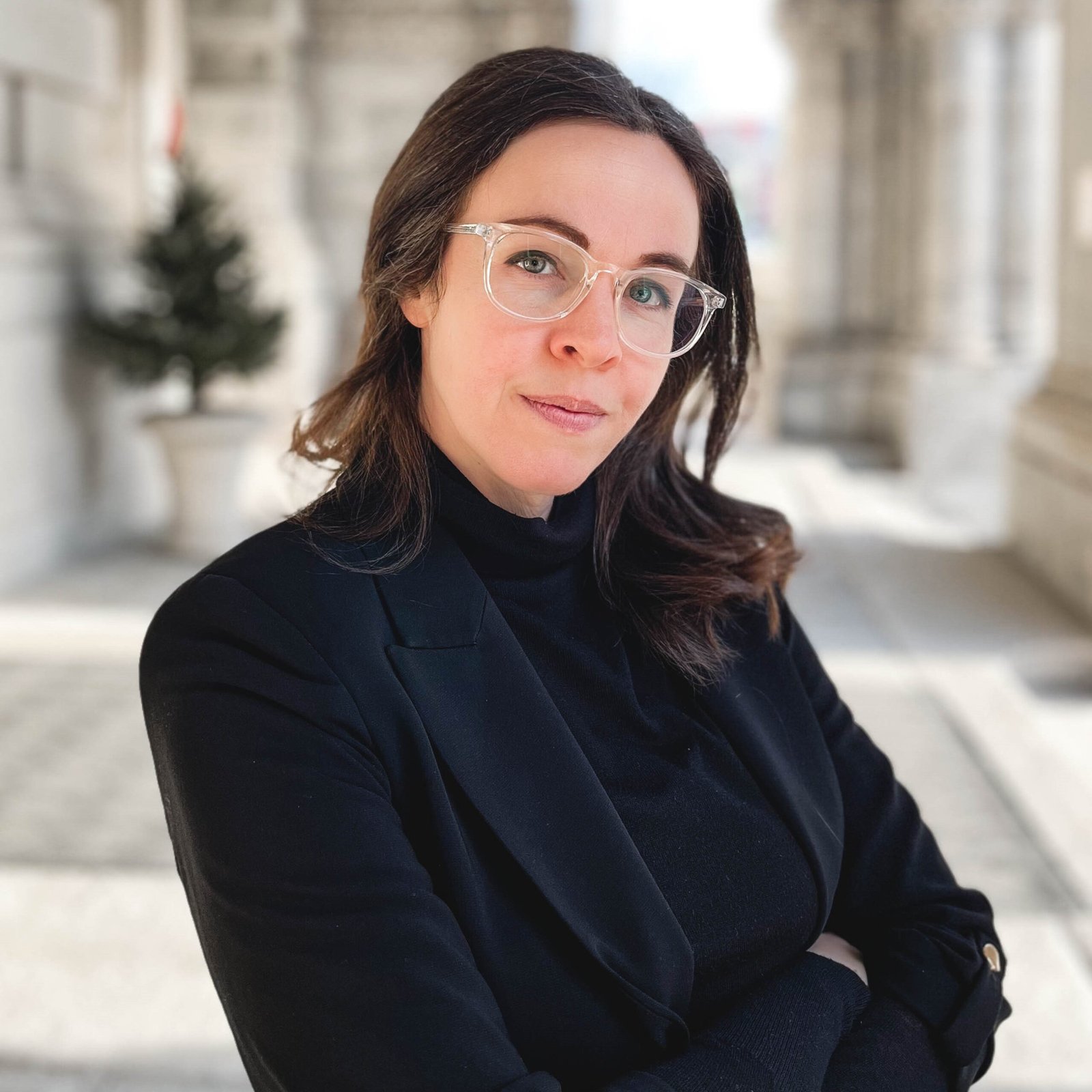
Brittney Frey is a public interest attorney based in New York and a former special victims prosecutor, where she specialized in sexual offenses and crimes against children. Drawing on her lived experience of child sexual abuse, she works to advance restorative justice and strengthen systemic, legal and policy responses to sexual harm.
ABAJournal.com is accepting queries for original, thoughtful, nonpromotional articles and commentary by unpaid contributors to run in the Your Voice section. Details and submission guidelines are posted at “Your Submissions, Your Voice.”

