- The World Economic Forum’s Annual Meeting 2026 takes place from 19-23 January in Davos, Switzerland.
- Leaders from business, politics, academia and civil society will convene under the theme ‘A Spirit of Dialogue’.
- The programme is structured around five key global challenges, with certain trending terms and phrases likely to appear throughout. Here are some to look out for.
The programme for the event is built around five global challenges that call for public-private dialogue and cooperation across government, business, civil society and academia. The need for growth, resilience and innovation cuts across these challenges.
From green growth to minilateralism to resilience economics, here are some of the trends and phrases that will come up throughout the Annual Meeting.
Technology
AI slop
Remember the Pope in a puffer? Those AI-generated images of Pope Francis wearing an oversized white jacket were an early example of what is now becoming known as AI slop.
The term describes low-quality, mass-produced AI-generated text, image or video content designed to prompt clicks and engagement but containing very little substance.
While it might sometimes seem harmless, AI slop has the potential to influence public opinion and drive misinformation – and, as such, it could have consequences for online platforms, AI itself and democracy.
Electron gap
In that article, the ChatGPT maker described how electricity is not just a utility, but a strategic asset critical to building the infrastructure that ensures AI’s benefits reach as many people as possible.
For the US, keeping its leading edge in developing AI requires more electricity than the country can currently provide, the post argued. China, meanwhile, has in the past decade and a half increased its power production by more than the rest of the world combined – it’s this disparity in capacity between the two nations that is at the heart of the concept of the ‘electron gap’.
Inclusive AI
But realizing the technology’s true potential calls for the diversity of the populations it represents to be included throughout every step of its development.
According to a report from the Forum’s AI Governance Alliance, creating an inclusive AI ecosystem that enables the broadest range of community members requires equitable access to the technical infrastructure needed to develop AI systems. It calls for all those interacting with such systems to understand the basics of AI to be aware of the opportunities and risks posed by their use. And AI must be inclusive by design – embedding equity and inclusion throughout each stage of the AI life cycle.
The Forum’s ‘Blueprint for Intelligent Economies’ looks at how inclusive AI can drive growth. Read more here.
Quantum economy
Even by the current rapid standards of technological advancement, the quantum economy promises to be transformative.
These technologies include:
- Quantum computing: Expected to accelerate scientific discovery and potential to solve complex problems in various fields through optimization, machine learning and simulation.
- Quantum sensing: It offers advancements in precision and autonomous measurement, impacting many sectors, and is at various stages of adoption maturity from proofs of concept to production systems.
- Quantum communication and security: These ensure secure data transmission through theoretically unbreakable encryption, crucial for future-proofing cybersecurity and creating new products and services.
If leaders can navigate challenges including intellectual property issues, resource constraints and the widening digital divide, it is estimated that the economic value of these three quantum technologies in the leading industries could reach up to $2 trillion by 2035. Read more in the report here.

Suptech
Supervisory technology, or suptech, can help regulators create a more resilient, transparent and accountable global financial system as it becomes more complex and digital.
This will be increasingly important as the financial sector embraces AI and other advanced technologies and new risks for consumers and institutions emerge.
Suptech tools range from predictive analytics to identify climate risks, to dashboards that map financial inclusion with geospatial data and AI-powered analysis of consumer complaints.
By collaborating with cutting-edge technology firms, financial regulators can gain valuable expertise and access to these new digital tools. Discover more in this blog.
Economics and geopolitics
Green growth
Recent headlines might suggest that the climate transition is stalling, but the numbers tell a different story.
Delaying investments in mitigation and resilience today will cost governments and companies far more over time than investing today – and the green economy represents “one of the biggest growth opportunities on the planet”, the report says.

Minilateralism
Where multilateralism means many countries with different views and goals working together, minilateralism concerns small groups of nations collaborating to tackle problems or pursue mutual goals.
Research into the concept suggests that it can offer more flexibility, efficiency and impact than multilateralism. But rather than undermining cooperation on global issues among many states, minilateralism can complement and supplement it.
Resilience economics
Resilience economics is the study of how well economies can recover from major external shocks, such as pandemics, natural disasters or financial crises.
Against today’s backdrop of economic shifts, conflict, rising protectionism and climate-related shocks, resilience is no longer just about riding out a crisis – it has become a precondition for growth.
This is explored in a new white paper from the Forum, which outlines a three-pronged approach to resilience. It highlights priority areas for collaboration and shows how companies, governments and multilateral development banks can strengthen infrastructure, expand digital and skills capabilities, close financial gaps, and enable policies for growth.
Triple bubble
Each of these interconnected ‘bubbles’ feeds the other. So if there were a triple bubble that eventually burst, what might that look like? Read more here.

People
Human advantage
Once dismissed as “soft”, human-centric attributes and skills have become the backbone of labour markets.
As AI and automation take on more routine and cognitive tasks, it’s not technical capabilities that are the most valuable professionally, but skills such as creativity, innovation and adaptability.
These skills, which enable people to interact effectively, solve complex problems and drive transformation, comprise the “human advantage”.
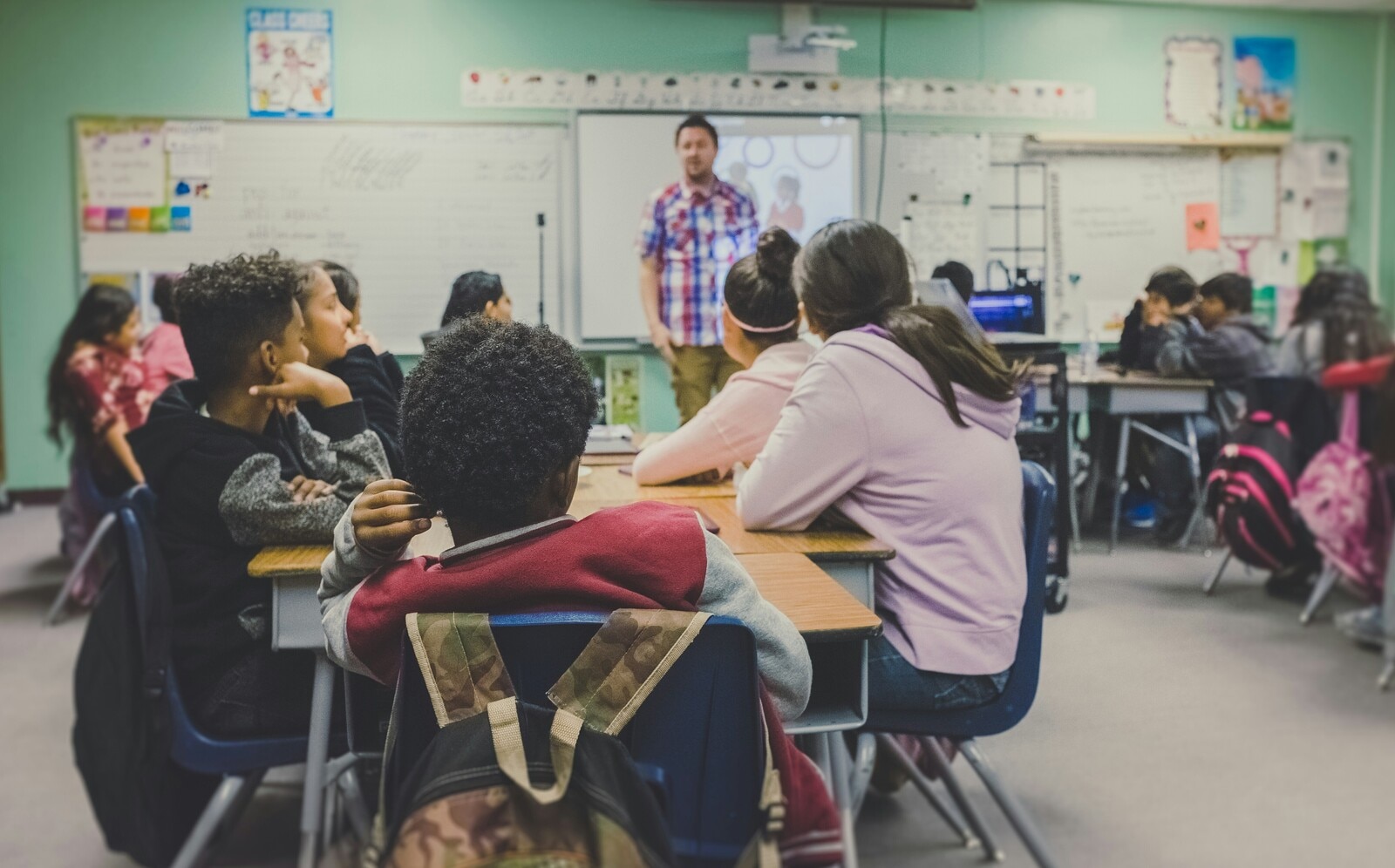
Tasks tied to empathy, creativity, leadership and curiosity have just a 13% potential for AI transformation since they depend on human – not machine – judgement, context and lived experience.
According to a Forum white paper on this topic, the world urgently needs new ways to measure and develop these skills.
Jobageddon
Here’s what research says. The Forum’s Future of Jobs Report 2025 projects that by 2030, 92 million existing positions face displacement, representing the most significant labour transformation since the industrial revolution. At the same time, 170 million new jobs will be created globally.
So while the world’s job markets might not be facing a dystopian future, they will see significant change.
Alongside the rise in importance of creative thinking, resilience, flexibility and agility, demand for technological skills including AI, big data and cybersecurity is expected to grow rapidly in the next five years. Businesses are increasingly investing in reskilling and upskilling programmes in response.
Read about why it will be vital to help workers achieve the right mix of technical and human skills in this blog.