South Africa Deports More than Fifty Thousand Foreign Nationals as Anti-Migration Crackdown Intensifies: What Does This Now Mean for Tourism and Regional Travel? – Travel And Tour World
South Africa Deports More than Fifty Thousand Foreign Nationals as Anti-Migration Crackdown Intensifies: What Does This Now Mean for Tourism and Regional Travel?
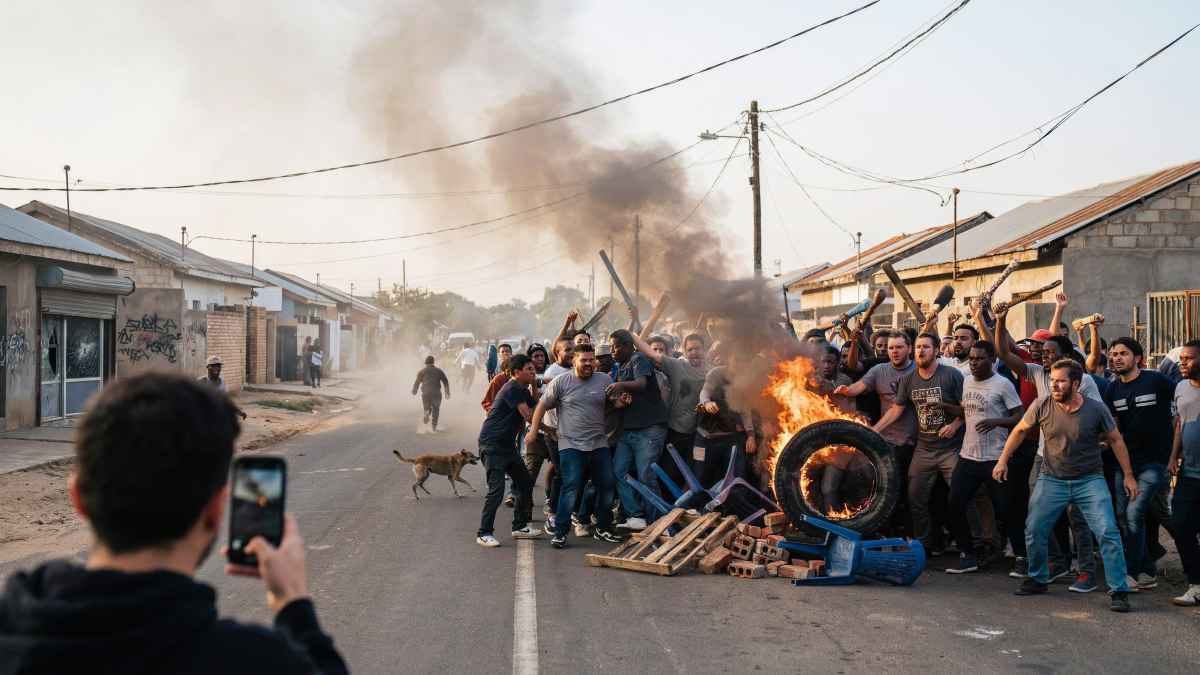
South Africa has intensified its immigration enforcement campaign, processing more than 53,000 foreign nationals for deportation and repatriation within five weeks as the government responds to growing public concern over undocumented migration. The latest figures, announced by Justice and Constitutional Development Minister Mmamoloko Kubayi, come after nationwide anti-immigration demonstrations held on 30 June and amid continuing protests demanding tighter border controls and stronger enforcement of immigration laws. While the crackdown primarily targets undocumented migrants, its ripple effects are being closely watched by the tourism industry, neighbouring countries and international travellers. So, could South Africa’s immigration campaign reshape regional travel across Southern Africa?
Why Has South Africa Intensified Immigration Enforcement?
Let’s be honest—South Africa has been dealing with immigration debates for years, but the pace of enforcement has changed dramatically.
The government says the current campaign forms part of a broader strategy to improve migration management, strengthen border security and enforce existing immigration laws. According to Minister Kubayi, 53,499 foreign nationals have now been processed for deportation or facilitated repatriation, with most originating from Malawi, Zimbabwe and Mozambique. Smaller numbers have also been returned to countries including Nigeria, Uganda, Kenya and the Republic of the Congo.
Authorities say the objective is to promote orderly migration while respecting the human rights and dignity of everyone living in South Africa, regardless of nationality.
Anti-Immigration Protests Continue
Here’s where the story becomes more complicated.
The latest enforcement drive follows large demonstrations organised across South Africa on 30 June, where thousands of protesters called for tougher action against undocumented migrants.
Groups such as March and March, led by Jacinta Ngobese-Zuma, argue that undocumented migration contributes to unemployment, crime and pressure on public services. Organisers have announced that demonstrations will continue every Thursday for the next six months, seeking stricter immigration policies and increased deportations.
However, the South African government has repeatedly warned that immigration enforcement remains the responsibility of the state and has condemned unlawful searches of homes, businesses and communities by vigilante groups.
Government Warns Against Vigilantism
Could public frustration lead to more instability?
President Cyril Ramaphosa and Minister Kubayi have urged citizens not to take immigration enforcement into their own hands.
Authorities have opened hundreds of criminal cases linked to intimidation, unlawful identity checks, public violence and forced removals of suspected undocumented migrants. Police have also made numerous arrests connected to these incidents. The government maintains that while peaceful protest is protected under the Constitution, illegal actions against migrants will be prosecuted.
This distinction is particularly important for maintaining public confidence, protecting communities and preserving South Africa’s international reputation.
What Does This Mean for Tourism?
Now comes the question many travellers are asking.
Should tourists cancel trips to South Africa?
At present, there is no nationwide travel restriction affecting international visitors. Airports including O.R. Tambo International Airport in Johannesburg, Cape Town International Airport and King Shaka International Airport in Durban continue operating normally. Hotels, safari lodges, national parks, beaches and major attractions remain open to domestic and international tourists.
However, travellers should remain aware of demonstrations that may affect local traffic or specific neighbourhoods. Visitors are encouraged to follow official travel advisories, avoid protest areas and monitor local news during their stay.
South Africa remains one of Africa’s leading tourism destinations, welcoming millions of international visitors every year for wildlife, wine tourism, cultural heritage and adventure travel.
Regional Travel Could Feel the Effects
South Africa shares close economic and transport links with neighbouring countries including Zimbabwe, Mozambique, Botswana, Namibia, Lesotho and Eswatini.
As deportations and voluntary repatriations continue, border crossings such as Beitbridge and other regional checkpoints are experiencing increased movement.
Governments across Southern Africa have coordinated repatriation efforts for their citizens, while diplomatic discussions continue regarding migration management and regional cooperation.
For international travellers using South Africa as a gateway to Southern Africa, normal tourism itineraries remain available, although temporary congestion may occur at some land border posts.
South Africa Balances Security and Tourism
Can immigration enforcement coexist with a thriving tourism industry?
South African officials believe it can.
Government representatives continue emphasising that immigration enforcement is aimed at undocumented migration rather than lawful visitors. Tourism authorities also continue promoting the country as a destination for wildlife safaris, wine routes, cultural experiences and business events.
Maintaining this balance will be essential as South Africa works to reassure international visitors while addressing domestic migration concerns.
Key Stats
- 53,499 foreign nationals have been processed for deportation or repatriation in approximately five weeks.
- The largest groups are from Malawi, followed by Zimbabwe and Mozambique.
- Nationwide anti-immigration demonstrations took place on 30 June 2026.
- South Africa continues operating international airports and tourism infrastructure normally.
Timeline and Events
- 7 June 2026: President Cyril Ramaphosa announces a comprehensive migration management strategy.
- 30 June 2026: Nationwide anti-immigration demonstrations take place across South Africa.
- 12 July 2026: Minister Mmamoloko Kubayi confirms that more than 53,000 foreign nationals have been processed for deportation and repatriation.
Are tourists affected by the deportation campaign?
No. International tourism continues normally, although travellers should avoid protest areas and monitor local updates.
Which nationalities account for most deportations?
The majority are from Malawi, followed by Zimbabwe and Mozambique.
Are South Africa’s airports operating normally?
Yes. Major international airports continue operating regular domestic and international services.
- 7 June 2026: South Africa launches its comprehensive migration management approach.
- 30 June 2026: Nationwide anti-immigration protests begin.
- 12 July 2026: Government announces more than 53,000 deportation and repatriation cases.
Conclusion
South Africa’s intensified deportation and repatriation campaign reflects a significant shift in the country’s migration policy while highlighting the challenges of balancing border security, human rights and public concerns. Although the campaign has generated regional attention and ongoing demonstrations, tourism infrastructure across the country remains fully operational, and international visitors continue to travel without nationwide restrictions. As authorities strengthen immigration enforcement and neighbouring countries coordinate repatriation efforts, the coming months will be critical in determining how South Africa manages both regional mobility and its reputation as one of Africa’s leading travel destinations.
This content is protected under the Copyright Act. Unauthorized scraping, AI extraction, reproduction, or republication is strictly prohibited. Read ourCopyright Policy.Follow Travel And Tour World in Google News


PARTNERS







REGIONAL NEWS
Europe


Albania Leads Over Malta, Poland, and Türkiye as Unprecedented 2026 A

Austria Stands Alongside Italy and Netherlands as New Tourist Taxes Reshape Euro
America

JFK Airport Reinvents Terminal 5 With New York Flavors Culture and Entertainment
Could Trump’s Strait of Hormuz Strategy Make International Travel More Exp
Middle East
Australia Strengthens Middle East Transit Warning as Escalating Conflict Risks A
Europe Links with the Gulf and the Levant are Facing the Biggest Airline Shake-U

Japan, Taiwan, Singapore, Thailand and More Navigate China’s Tourism Boom Whil
Kazakhstan and the UAE Face Fresh New Travel Disruptions as Air Astana Suspends
We use cookies on our website to give you the most relevant experience by remembering your preferences and repeat visits. By clicking “Accept”, you consent to the use of ALL the cookies.Do not sell my personal information.
Settings
Manage consent
X