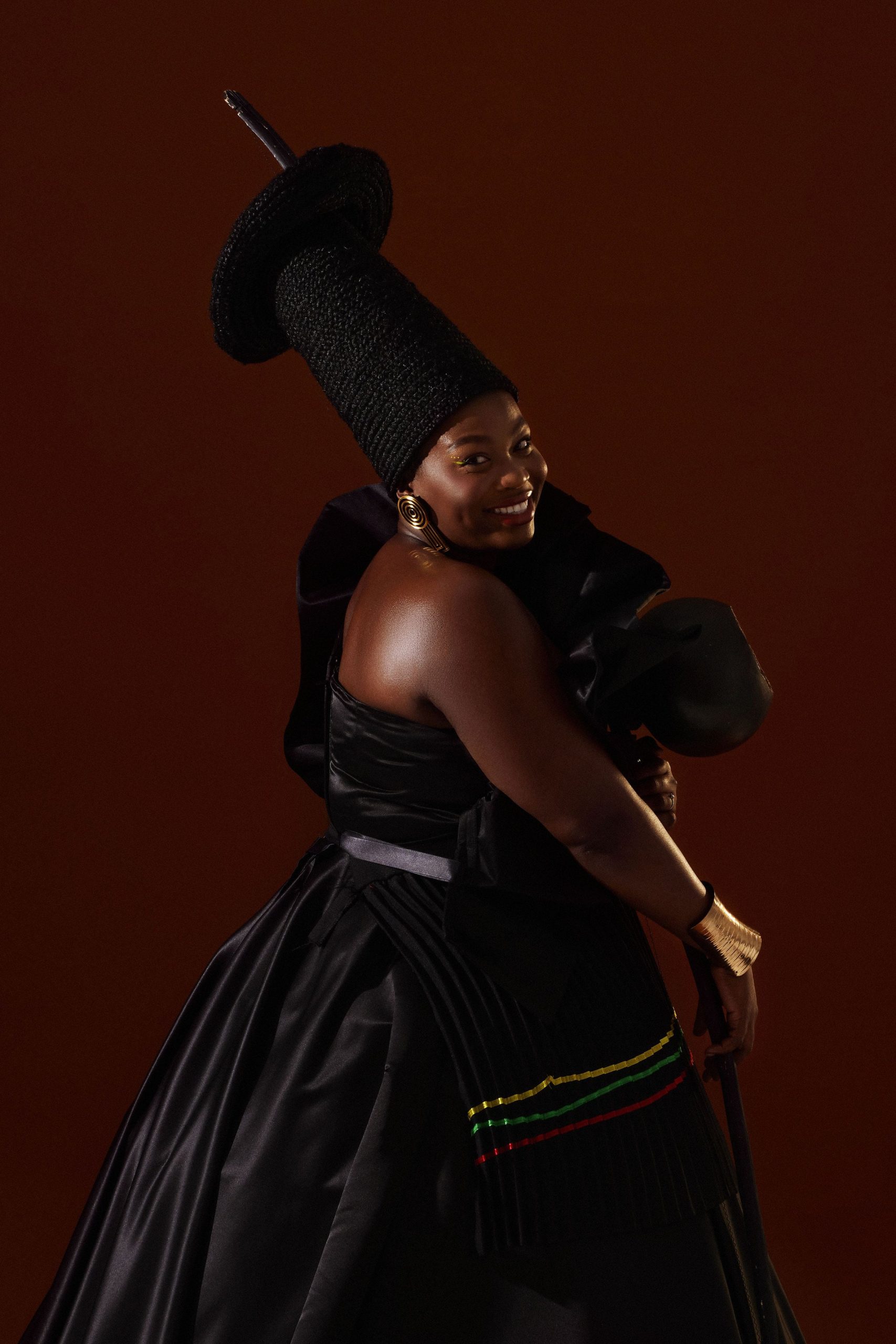
Zawadi Yamungu says her SA Music Award (Sama) and three Basadi In Music Awards nominations have reaffirmed her belief that indigenous African music belongs on the mainstream stage. The singer earned her first Sama nomination for Best African Adult Contemporary Album for Ngimuhle, along with three Basadi in Music Awards nominations — Songwriter of the Year, Best Styled Artist of the Year and Best Feature. She spoke to Sowetan about what the recognition means.
Where were you when you found out you had been nominated for a Sama?
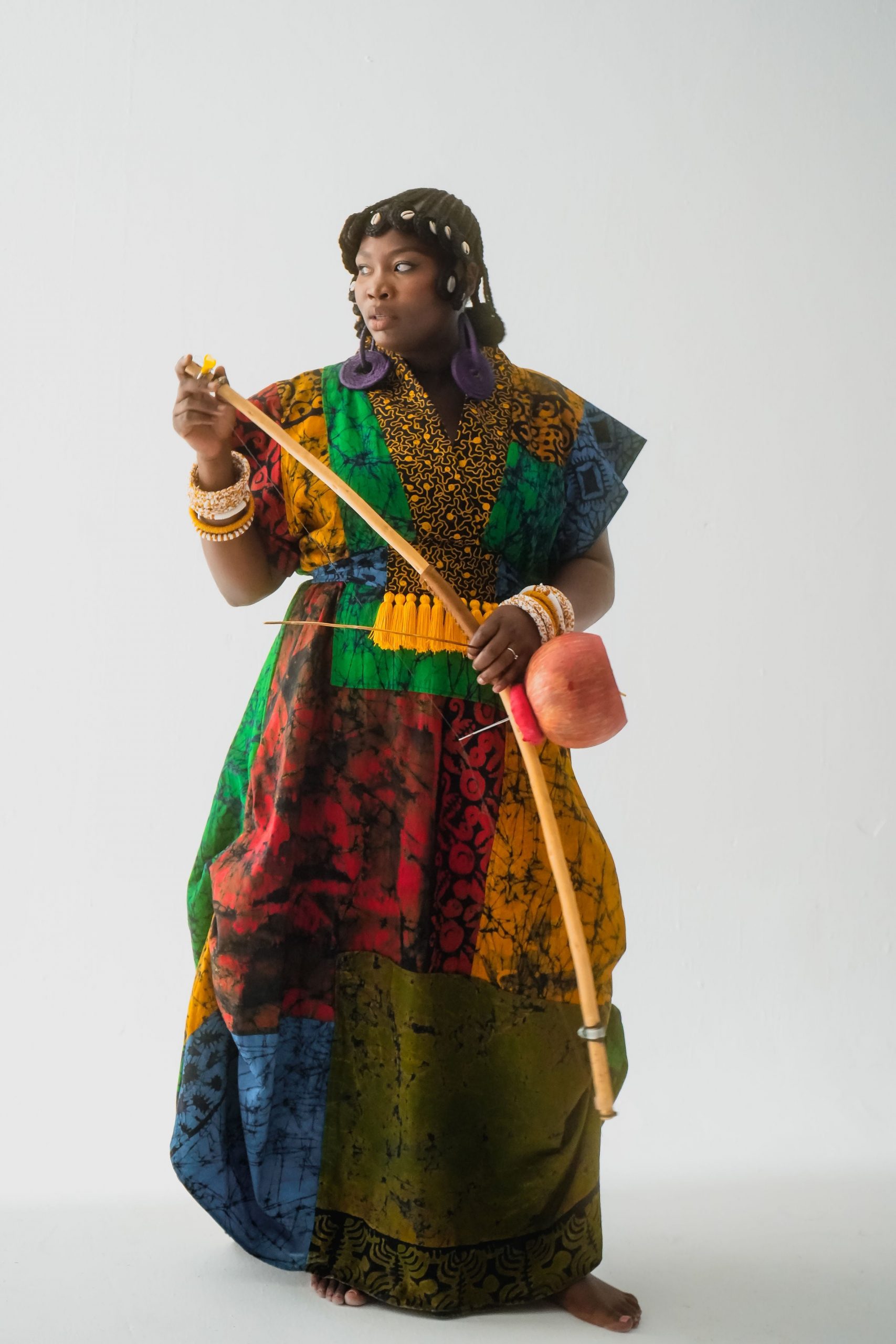
I was rehearsing for the Durban July. I was watching the nominations announcement live on YouTube and saw other names being announced before I stepped away for a moment. While I was away, my name came up, and one of my friends phoned to congratulate me. At first I thought they were joking because I hadn’t seen it myself yet. I was incredibly excited. I immediately shared the news with my family and friends because this album means so much to me. Yamungu tells stories through indigenous instruments blended with modern sounds. It includes lullabies, affirmation songs, meditation music and songs in isiZulu and Swahili. To have that body of work recognised is incredibly special.

How does it feel to receive your first Sama nomination?
The only award recognition I’ve ever received was in Ghana. Being recognised <a href="https://absafricatv.com/south-african-international-ballet-competition-to-feature-star/" title="SOUTH AFRICAN INTERNATIONAL BALLET COMPETITION to Feature Star”>internationally is wonderful, but there’s something different about being acknowledged at home. It means people here are seeing the work I’m doing and hearing the message behind the music. This year has been very special because I’ve also received Basadi in Music Awards nominations, so to receive this recognition on home soil feels meaningful.
What would winning a Sama mean to you?
It would mean our indigenous music is safe. As someone who preserves African culture and indigenous instruments within a modern context, it would show that people are reconnecting with their roots. If listeners are being revived and inspired through my music, then I know I’m fulfilling my purpose. It would also encourage me to continue researching indigenous songs, languages and history because that’s a huge part of my work. Winning wouldn’t be the end of the journey – it would simply mean there’s even more work to do.
Is indigenous music under threat in the mainstream?
There is definitely a slower response when it comes to streaming and mainstream exposure for this kind of music. I’ve realised that once people hear it and become familiar with the sound, they connect with it. They begin to see themselves in the music. That tells me the challenge isn’t the music itself. We simply need to keep introducing it to audiences through better marketing, promotion and performances. Once people experience it, they appreciate it.
Why is preserving indigenous music so important?
It’s about returning to who we are. Knowing our identity, understanding our languages and believing in ourselves as Africans is important. Music is one of the strongest ways we preserve that identity and pass it on to future generations.
Where would you like to see this genre?
I’d love to see it travelling across the world. Earlier this year, I performed in Ivory Coast, where I met music programmers from many different countries. People were fascinated by the indigenous instruments and the sound. Many of them told me audiences in Europe and elsewhere are longing for music rooted in authentic African traditions. They spoke about legendary artists whose music they still cherish, and they felt my work carries that same spirit. I want to tour more extensively and introduce these sounds to global audiences while proudly representing South Africa.