


There’s a moment every year when someone inevitably asks me the question that sounds simple but never is: “So… where should I go next?” And I always want to say, “How much time do you have? And do you prefer your wilderness served gently or with a side of existential reordering?” But where to go in 2026 feels different. Maybe it’s the way the world is stretching its shoulders after a long exhale. Maybe it’s because Africa is quietly – and not so quietly – revealing corners of itself that feel less like destinations and more like invitations. Or maybe it’s simply because our Travel Experts have very big thoughts, and I’ve learnt it’s best to let them loose and take notes.
Desert living, stripped of everything unnecessary to be deeply present, Image Credit: Hoanib Skeleton Coast Camp
So I Did Exactly That: I Asked the Experts
If you had to choose one hyper-specific place travellers should consider in 2026, the kind of place only someone with real Africa mileage would think to mention, where would you send them?
What followed was a flood of voice notes, emails, passionate monologues, and at least one existential crisis about elephants. And what emerged – beautifully, predictably – was a map of Africa that looks nothing like a brochure and everything like the future of meaningful travel.
Come with me. Let’s wander through what the Rhino Africa team actually said.
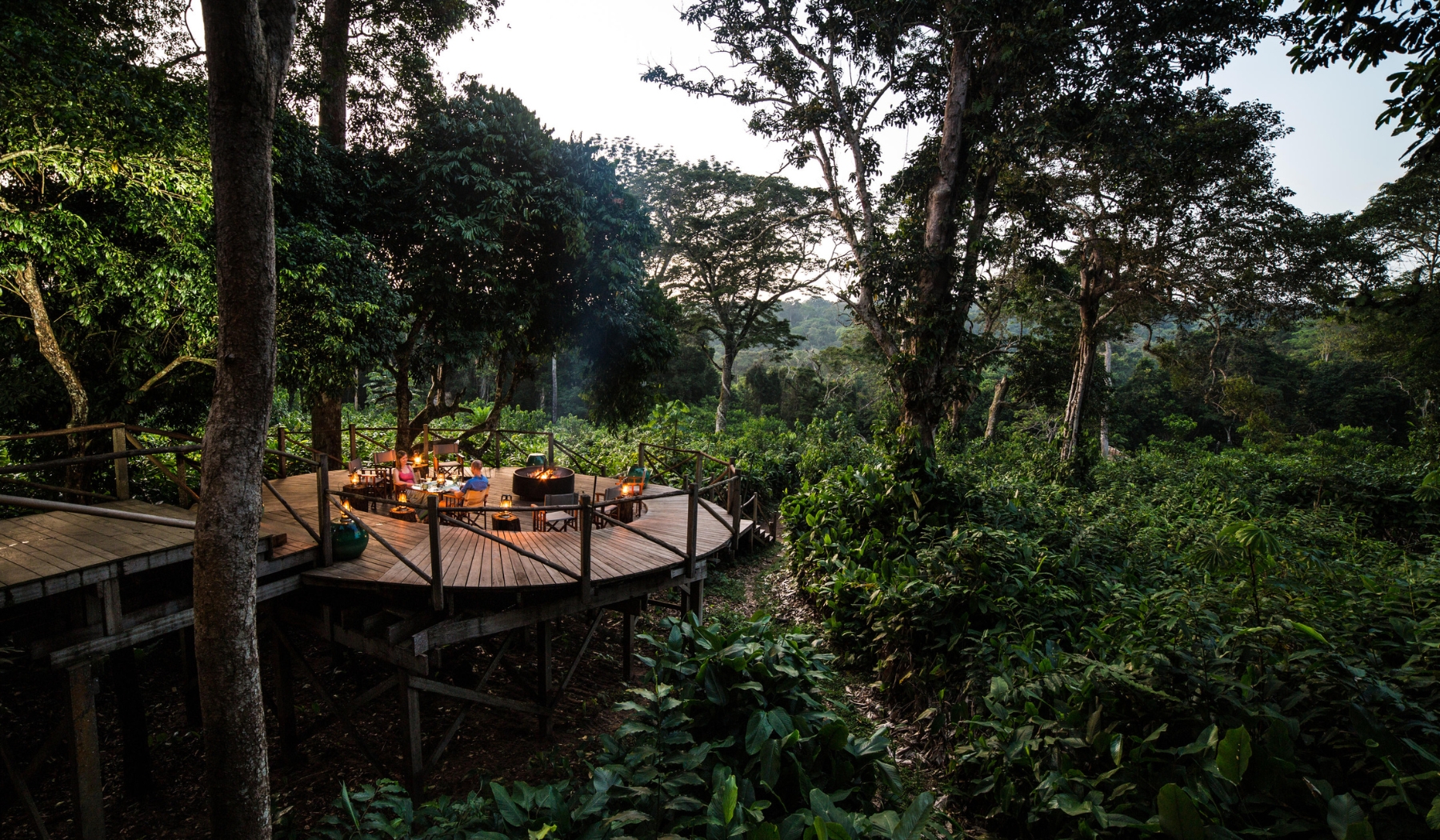
A forest hideaway built for slow, attentive travel, Image Credit: Ngaga Lodge
1. Gorongosa National Park
I should tell you upfront: I didn’t rig this. I didn’t hint or nudge.
And yet, three of our Travel Experts came back with the same answer so fast and so confidently you’d swear they were all sitting in a group chat together. They weren’t. Which tells you everything you need to know.
Gorongosa National Park is having a moment. And rightfully so. Not because someone polished it for tourists, but because it refused to become anything other than what it is: a vast, living restoration project stitched together with community partnerships, science, patience, and some very determined waterbuck.
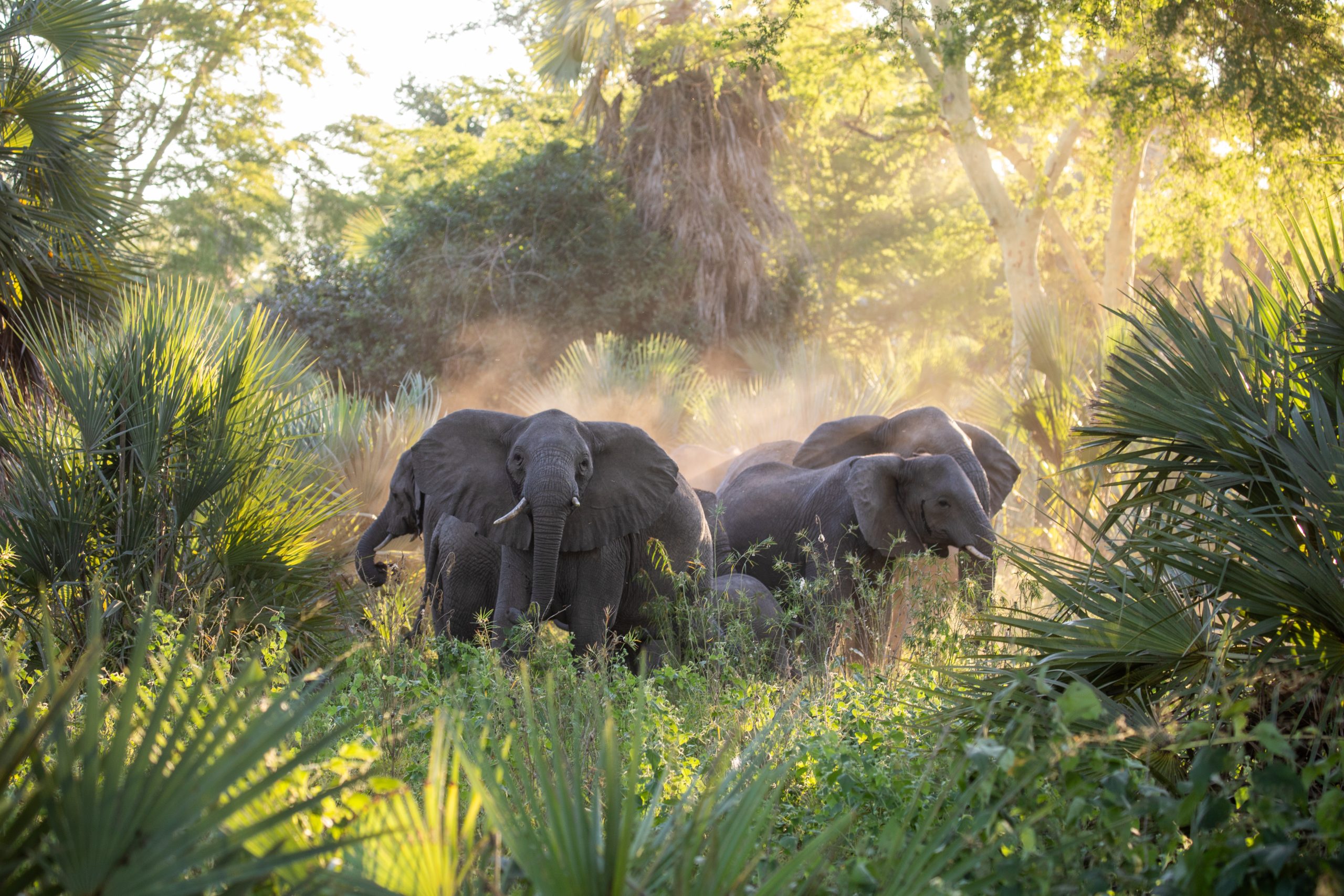
Where wildlife leads the way into Africa’s future, Image Credit: David Ryan
Gorongosa – Vote One
Sam was the first to reply, and she didn’t even give me an opening line. Just a response carrying the confidence of someone who knows exactly what belongs on a list like this:
“Gorongosa. Remote, wild, off the beaten track in the truest sense. Go for the vastness and the authenticity – the kind you won’t find on a standard safari. It’s for those who want something genuinely different.” – Samantha Myburgh.
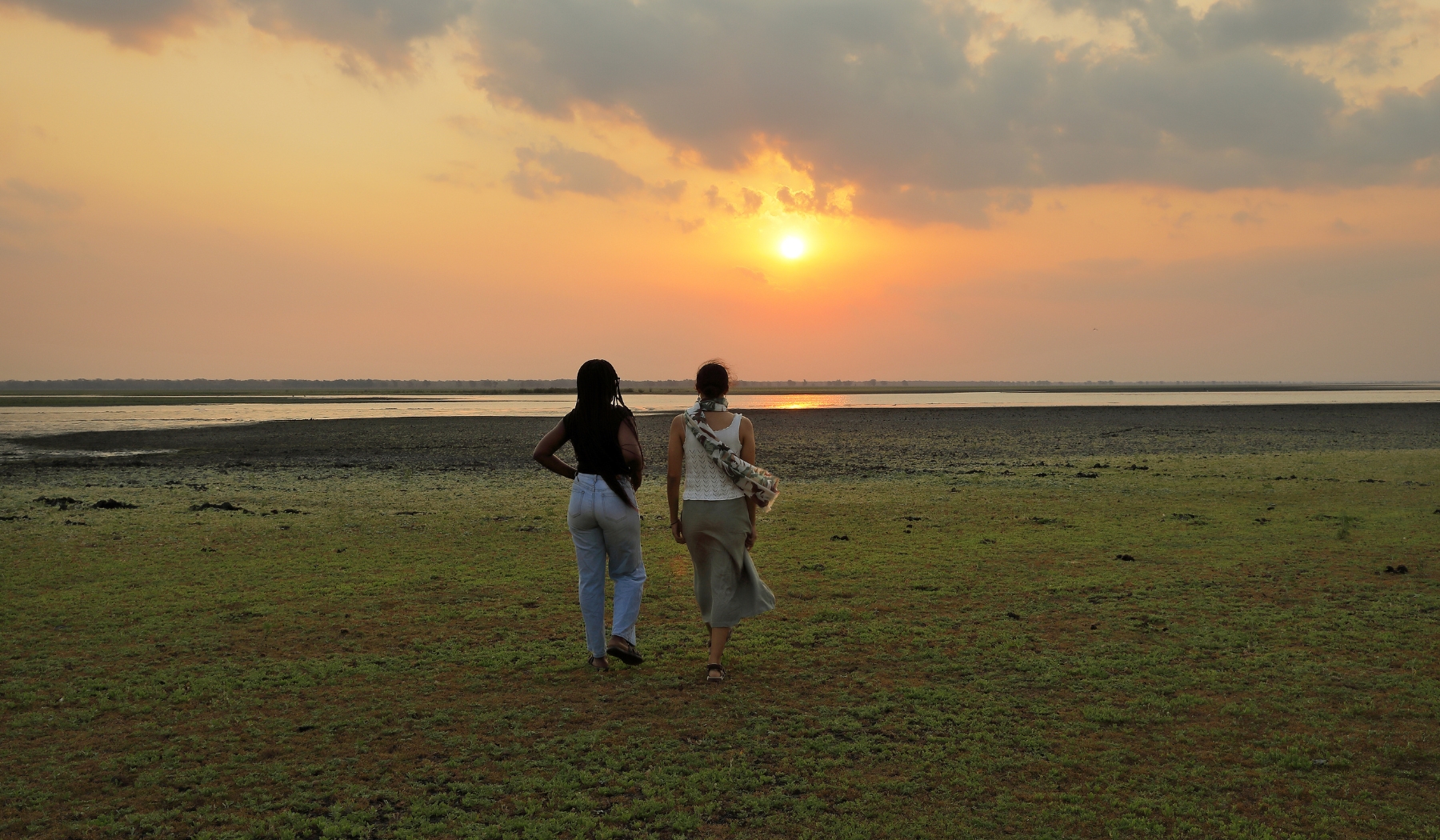
A horizon made for travellers who choose difference
Gorongosa – Vote Two
Then Janine chimed in like she’d been waiting years for someone to ask. To her, Gorongosa is what the safari world needs more of – a place where you see wildlife behaving naturally, not anxiously dodging convoys of vehicles. To her, Gorongosa isn’t just a great pick for where to go in 2026 but a necessary one.
“It’s time true safari enthusiasts come back to what safari is supposed to be – raw, unpolished wilderness with a history worth knowing, and best experienced before everyone else realises what they’re missing.” – Janine Visser.
Find your peace and make a difference in Gorongosa
Gorongosa – Vote Three
Justine added her own spin in true Justine style by framing Gorongosa as one of Africa’s most compelling restoration stories. What impressed her wasn’t just the wildlife, but how the entire system works:
“What makes Gorongosa remarkable is the way community, science, and wilderness work together – wildlife returns because people are empowered, and people flourish because conservation truly succeeds.” – Justine Ryan.
It’s a place that asks something of you, whether it’s your attention, curiosity, or willingness to let the idea of “going on safari” widen into something with a bit more spine. And if “where to go in 2026” has a clear frontrunner, this is the one our Rhino Africa Crash keeps circling back to.
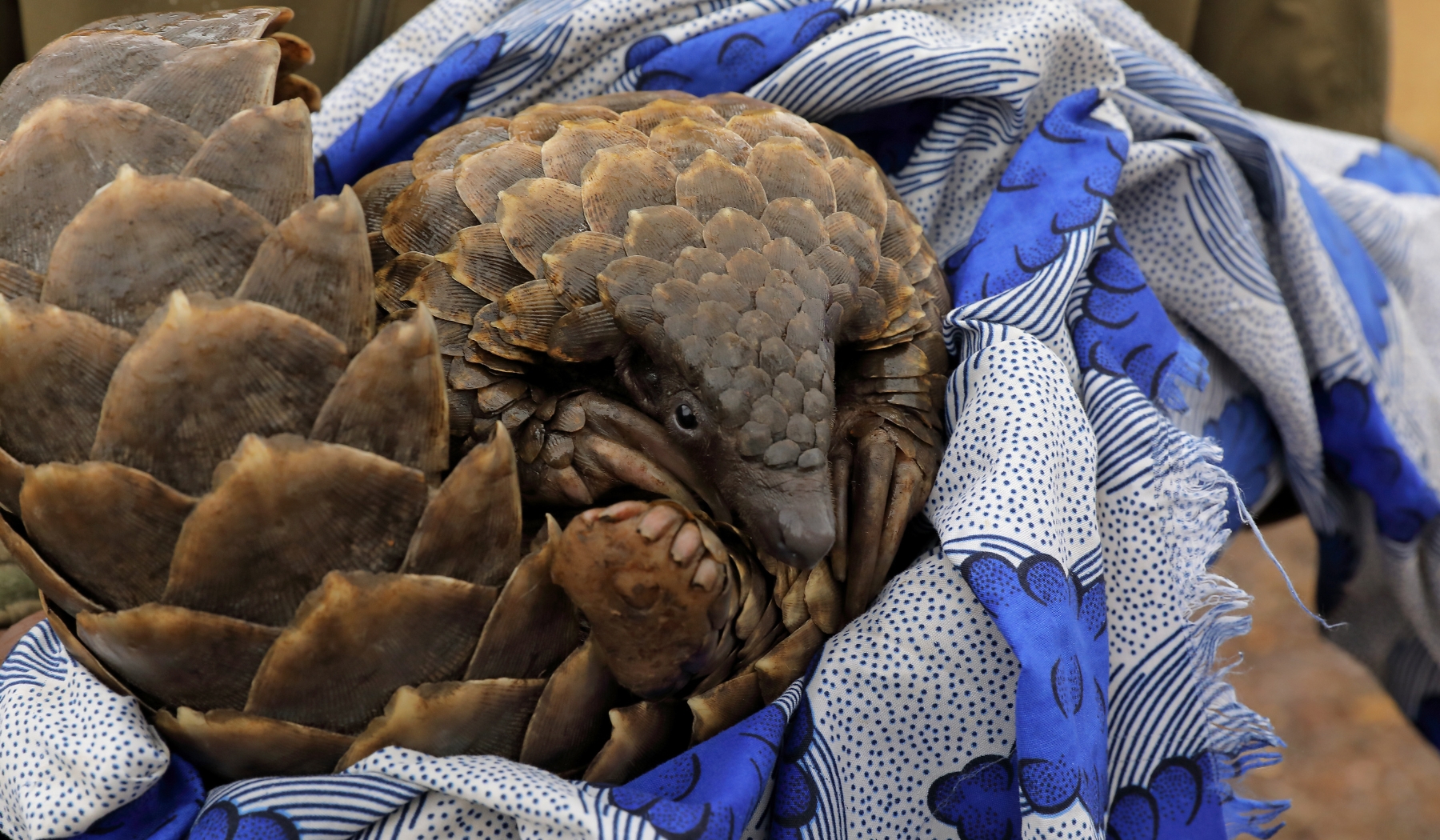
Conservation at its most intimate and quietly powerful
2. Bumi Hills and Somalisa Acacia in Zimbabwe
Mino doesn’t send short answers. She sends essays. Beautiful ones. And her pick for where to go in 2026 is Zimbabwe. But not in a broad, sweeping way. She zeroed straight in on Bumi Hills and Somalisa Acacia, talking about sightings with such clarity that it felt like she was handing me a memory rather than a description.
“The best elephant sightings I’ve ever seen. It was utterly unreal. The elephants there behave differently. You feel like you’re witnessing a conversation you weren’t meant to hear.” – Minowarah Parker.
She talked about Bumi Hills with a kind of reverence – a secluded perch above Lake Kariba where wilderness feels both intimate and enormous. And Somalisa Acacia? She mentioned the sightings with the sort of raised-eyebrow emphasis that tells you she’s replaying something she can’t quite put into words without sounding overly poetic.
Zimbabwe isn’t a 2026 pick because it’s new. It’s one because it’s still surprising those of us who thought we already knew everything about it.
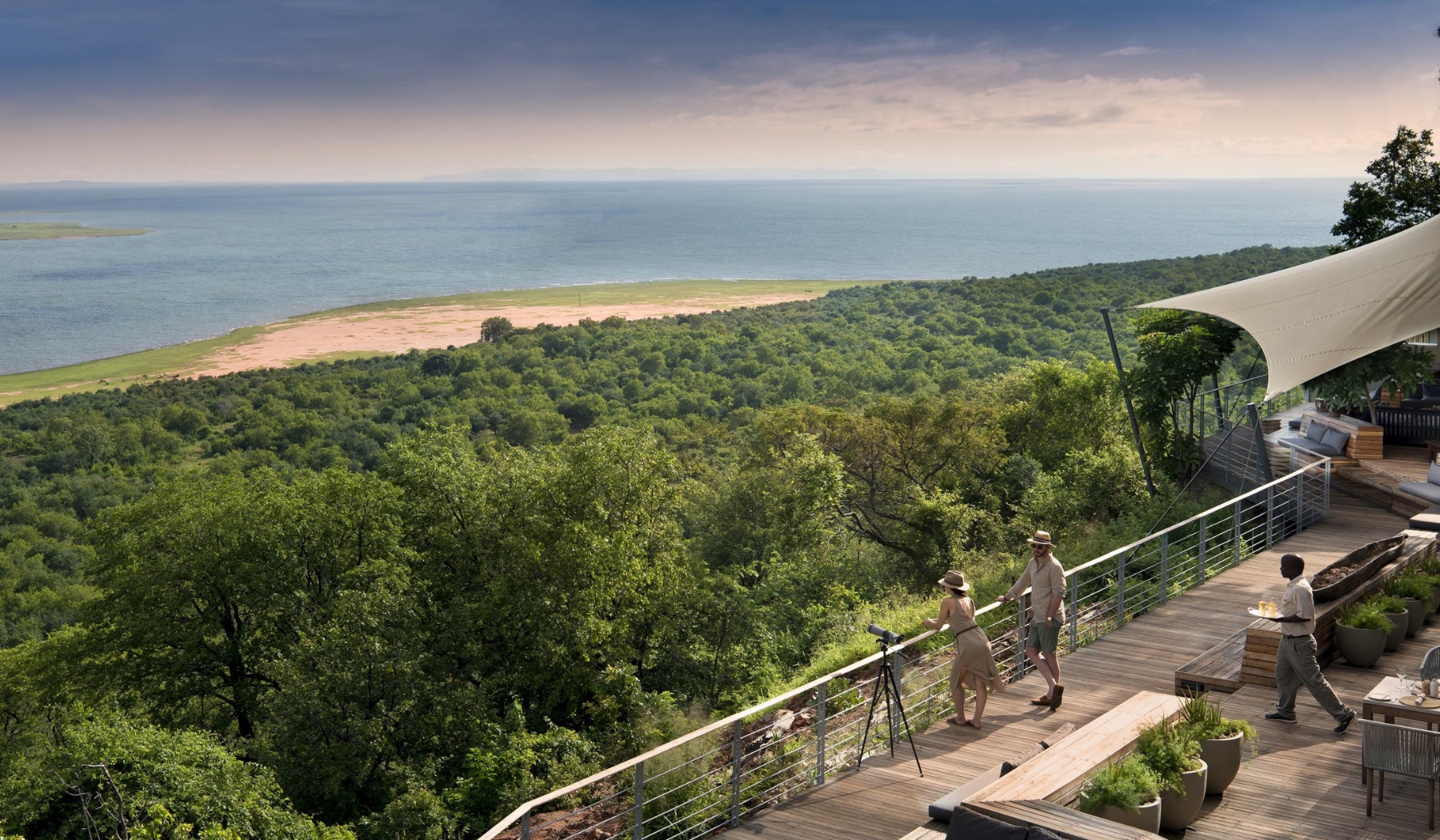
A lakefront vantage point that reshapes your idea of Zimbabwe, Image Credit: Bumi Hills
3. Panorama Route’s umVangati House
Alex is incapable of choosing something predictable. This woman could spend three weeks in the Serengeti and still come home raving about a bakery in a back alley you’ve never heard of.
So, of course, her pick wasn’t a safari destination at all. Instead, it was umVangati House, tucked into the folds of the Blyde River Canyon region, overlooking a small waterhole frequented by baboons and the occasional antelope making life choices.
We sometimes forget that the journey into the wild begins long before the safari vehicle arrives. And this little hideaway gives you three things modern travellers are chronically starved of, namely quiet, headspace, and food cooked by people who actually love cooking for their guests.
“It’s ideal for first-time visitors easing into South Africa, but it’s equally suited to people who love the build-up – the slow shift from city pace to wild pace.” – Alexandra Barth.
It’s also the perfect base for exploring the Panorama Route before your safari – the waterfalls, cliff edges, and viewpoints that warm you up for wilderness before you’ve even reached the Greater Kruger.
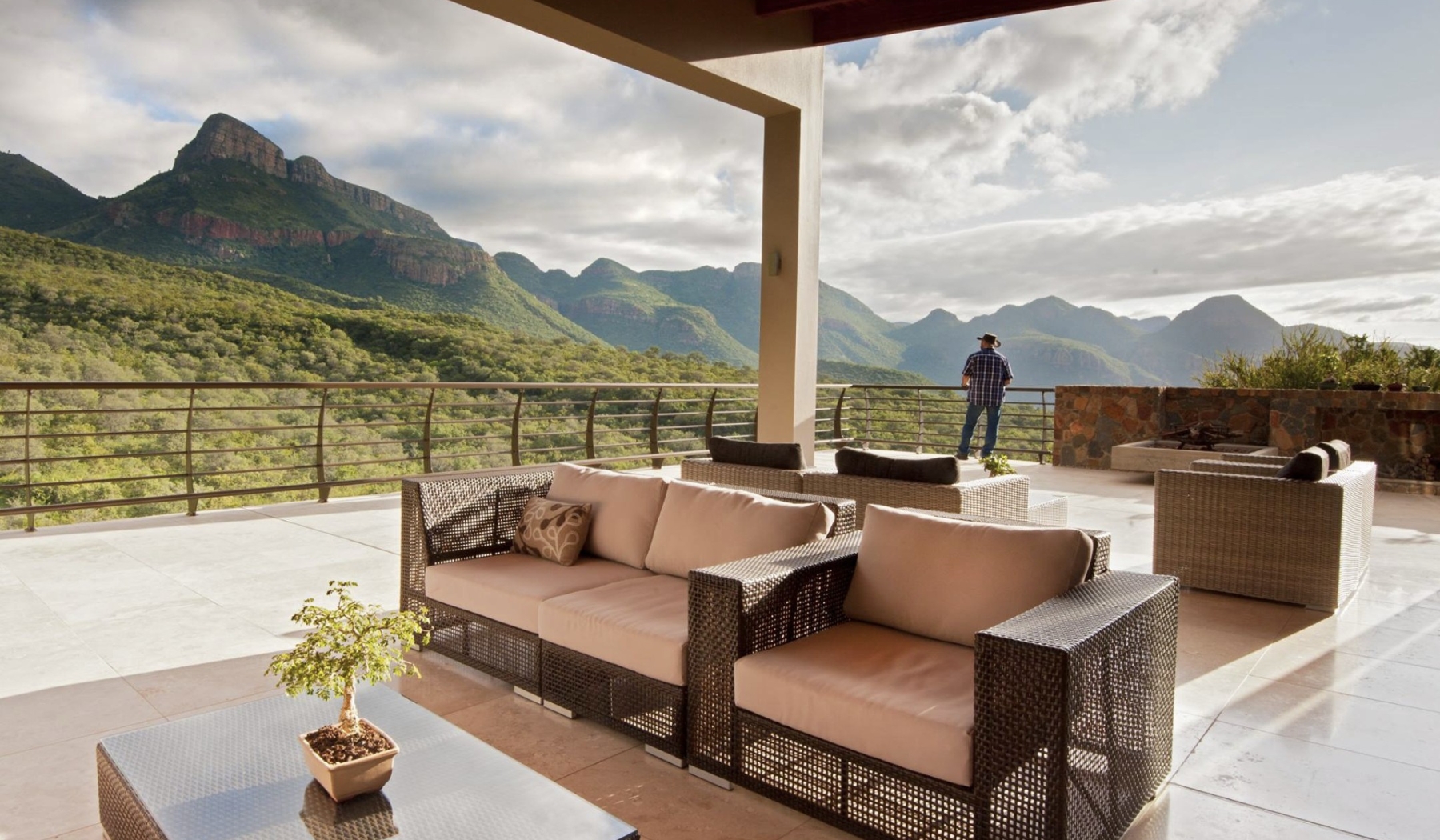
A canyon outlook built for easing into adventure, Image Credit: umVangati House
4. Namibia’s Hoanib
Justine slid in a second pick (overachiever behaviour, but forgiven). And honestly, she wasn’t wrong.
Hoanib, specifically the Hoanib Skeleton Coast Camp, is the kind of place you mention only to your besties because you secretly want to keep it to yourself. Desert-adapted wildlife. Horizons that feel mathematically unfair. Lions doing things lions shouldn’t logically be able to do in environments where water is more rumour than resource.
Namibia has a way of making you feel both tiny and expansive at the same time. It’s a 2026 destination not because it’s trendy, but because travellers are increasingly craving the kind of silence that resets your nervous system.
And Hoanib offers exactly that, with the added thrill of seeing elephants negotiate terrain that looks like the set of an arthouse film.

Desert solitude shaped for travellers chasing the hush, Image Credit: Hoanib Skeleton Coast Camp
5. Odzala-Kokoua National Park
I knew our CEO and Founder, David, would come back with something bold. I didn’t realise quite how bold until he sent three paragraphs about Odzala-Kokoua National Park in the Republic of the Congo and I felt myself correcting my posture.
Odzala isn’t a “pop it into your itinerary because it sounds adventurous” destination. It’s rainforest immersion. It’s culture. It’s biodiversity so rich you genuinely start wondering how the rest of the world feels so… minimal.
David spoke about walking through the rainforest – the lungs of the Earth – and meeting the Ba’Aka people, the forest’s guardians, who navigate the ecosystem with a kind of inherited wisdom the rest of us can barely comprehend.
“After decades spent exploring Africa from every angle, I can say with confidence that Odzala-Kokoua is one of those places every true adventurer should experience. Each day unfolds differently, and the place pulls you in deeper than you anticipate.” – David Ryan.
In other words: If you’re not afraid of getting a little audacious in the name of transformation, this is where to go in 2026.

A canopy viewing deck built for unhurried rainforest days, Image Credit: Ngaga Lodge
6. Makgadikgadi Pans
Glen’s pick came with the kind of enthusiasm he usually reserves for meerkats or interesting geological trivia. He chose the Makgadikgadi Pans, which is one of my favourite curveballs on this list. He tried to describe the experience, then paused halfway and said, “It’s so hard to explain. You have to see it.” Then he tried again.
“The Makgadikgadi Pans are disarming – just this endless, flat expanse that feels almost extraterrestrial. At first, it seems like nothing could possibly live out there, and then, the longer you stand in that silence, the more life begins to reveal itself.” – Glen Albrecht.
That’s Makgadikgadi in a sentence. A masterclass in paying attention. A reminder that wilderness doesn’t need to be busy to be alive.
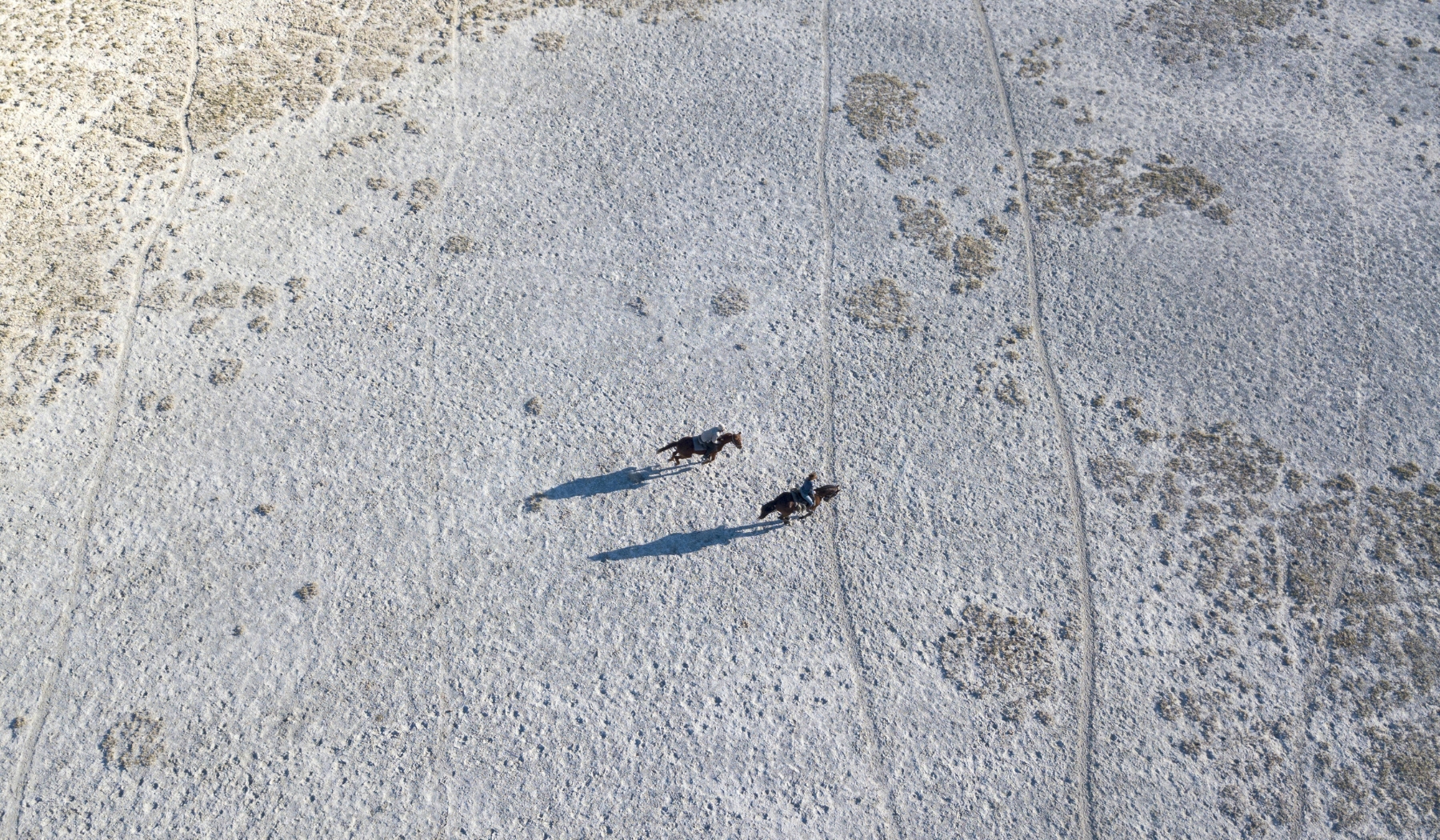
Scale that only makes sense once you’re standing there, Image Credit: Jack’s Camp
So… Where Should You Go in 2026?
If you’ve read this far and expected a neat summary, you’re new here. Africa doesn’t do neat summaries, and neither do I. But here’s what I can tell you:
2026 isn’t the year for ticking boxes. It’s the year for leaning into places that shift something internal. Places with conviction. Those doing the work, not performing the spectacle.
- Gorongosa, with its restoration story that keeps gathering momentum.
- Zimbabwe, where the elephants are rewriting the rules.
- Namibia’s Hoanib, where silence becomes its own kind of teacher.
- Odzala, which asks you to step into the lungs of the Earth with humility.
- Makgadikgadi, where “nothingness” is an illusion.
- And the quiet, steady embrace of umVangati House – the perfect threshold into the wild.
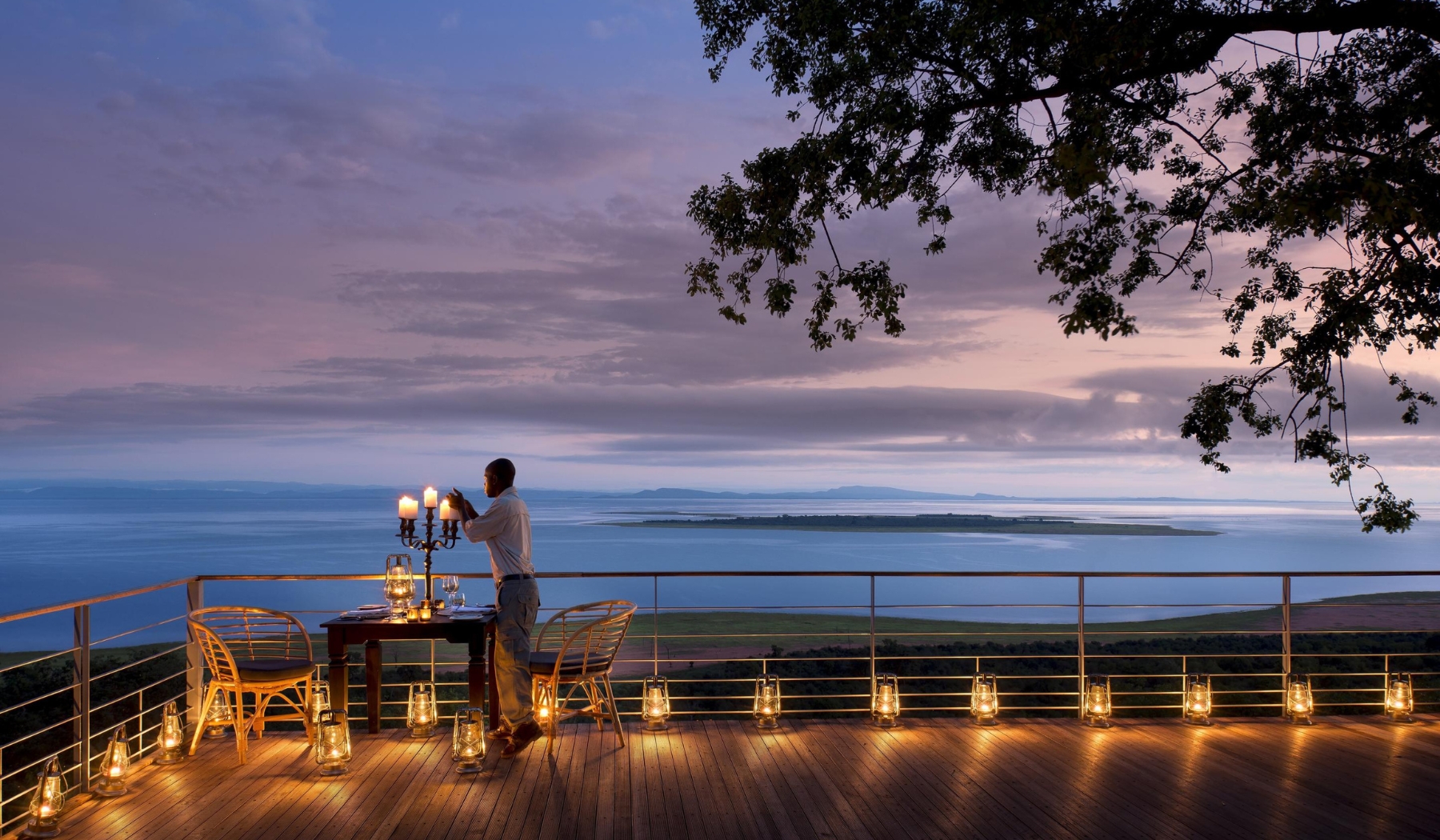
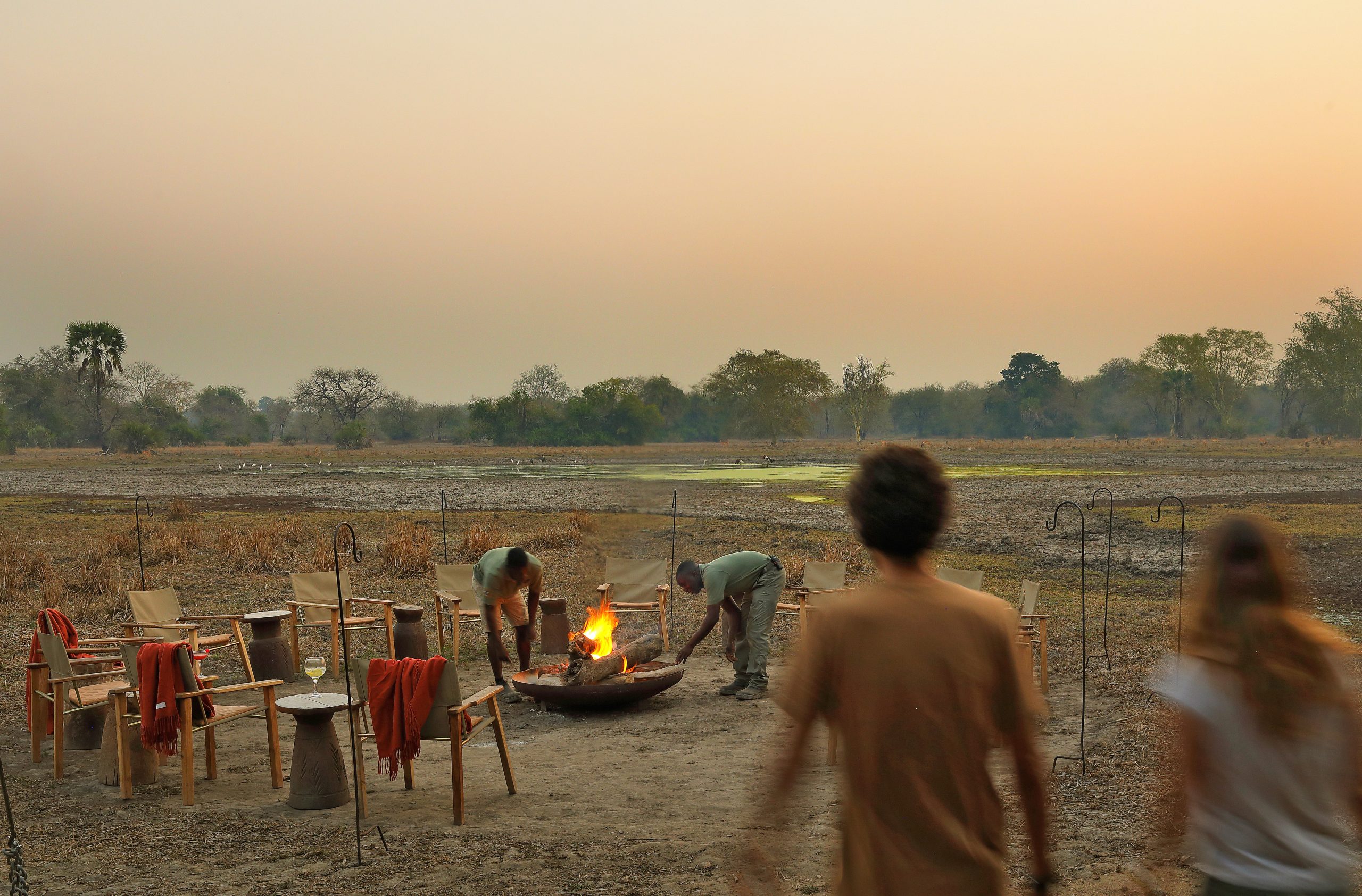
An evening setup that lets the view do everything, Image Credit: Bumi Hills
What Ties Them All Together?
Each one offers you a chance to see Africa the way our experts see it – up close, unfiltered, unscripted, and full of depth. And if that’s the lens you want for 2026? Then you’re already asking the right question. Let’s plan your African safari together.
