

Every couple of years, the same false stories come back. A claim that an election was rigged before a single vote was cast. An old video of violence, stripped of its date and place, presented as breaking news.
For fact-checkers, this means repeatedly investigating claims they have already debunked, even as new false stories emerge. The work takes time, reailable
Fact-checkers are the people whose job is to track claims, test them <a href="https://absafricatv.com/billionaire-sergey-brin-leads-317m-fight-against-wealth-tax/” title=”Billionaire Sergey Brin leads $317m fight against wealth tax”>against evidence and tell the public what is true. As of June 2025, there were about 450 fact-checking organisations in more than 100 countries, including several African ones. Fact-checkers work within fact-checking organisations and in newsrooms with fact-checking desks.
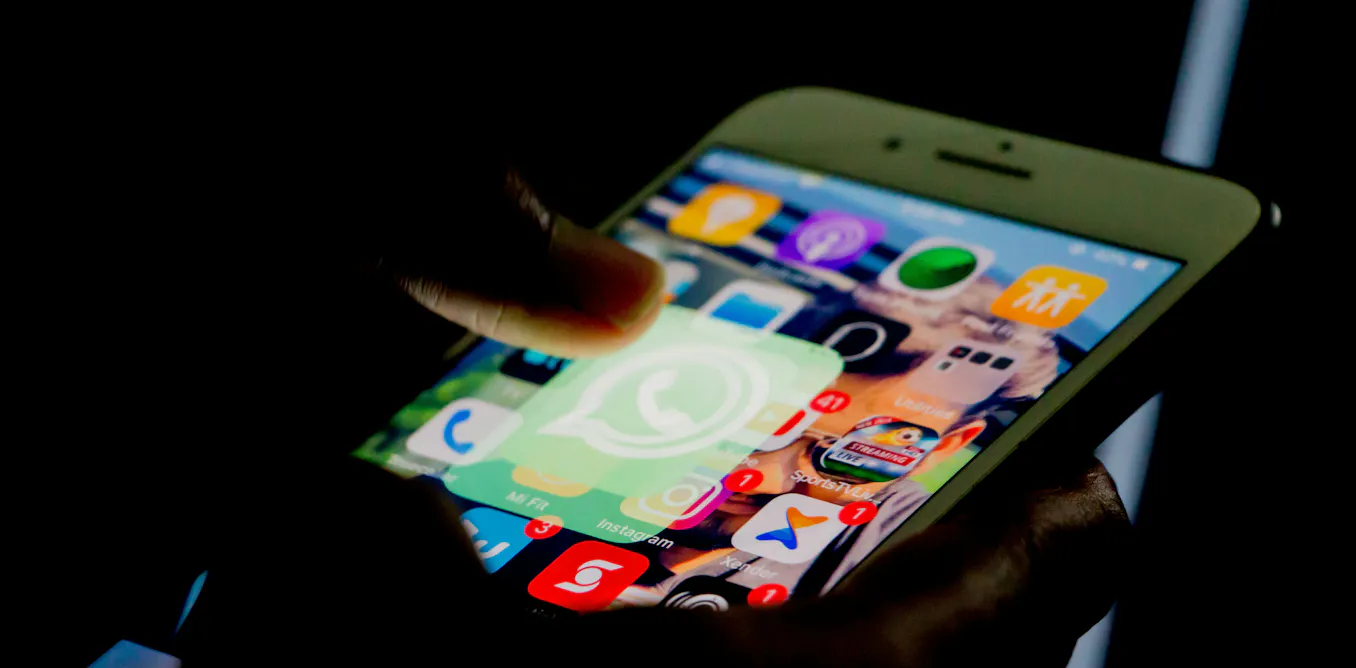
In Africa, millions of people now get their news on mobile phones, often in closed WhatsApp groups where false claims travel quietly and fast. And around elections, false claims about rigging and ethnically charged propaganda can raise tensions.
We are scholars interested in the growing impact of information disorders, such as misinformation and disinformation. Previous studies have examined how false information affects democracy and wider society. But less attention has been paid to the people working to combat it: fact-checkers. In a recent study, we set out to understand how fact-checkers in different African countries see their role and the challenges they face.
Our study covered Cameroon, Kenya, Nigeria and South Africa. We chose these four countries because they represent the range of political systems found in sub-Saharan Africa.
Cameroon is officially a democracy, but in practice it has an authoritarian government. Kenya and Nigeria are often described as hybrid systems, where elections and constitutional rights exist alongside heavy-handed state power. South Africa has a constitution that protects press freedom, and that freedom is generally respected.
We found that the political environment in the four African countries shapes not only what fact-checkers can do, but what they believe their job is.
In a repressive system, fact-checking can shrink into checking celebrity rumours. In more open systems, it can grow into a public service that combines verification, education and accountability and bolster democratic resilience among citizens.
Across all four countries, we also found that many fact-checkers are moving away from simply declaring claims as true or false. They are trying to help people judge information for themselves, including through “prebunking”. This is a proactive way of informing and warning people about common tricks before they encounter them.
What we found
Our team carried out in-depth interviews with 19 professional fact-checkers between January and August 2025. Five were from Cameroon, five from Kenya, five from Nigeria and four from South Africa. This provided in-depth insights into how fact-checkers think about their work and why. We didn’t set out to measure how common a particular view is across a whole population.
We chose experienced practitioners who could speak with authority. We included those working for fact-checking organisations and those in newsrooms.
The clearest finding was that there is no single “African fact-checker”. How these professionals see themselves depends heavily on the political system they work in.
Cameroon: checking what is safe to check
Cameroonian fact-checkers said their main job was to debunk false claims spreading online. But they admitted that they mostly stayed away from politics. The reason was fear. One respondent said:
We avoid fact-checking government authorities. It is a risky enterprise to do that.
Instead they checked claims about fires, road accidents, armed robberies, the death of a public figure, or rumours about footballers, musicians and influencers.
This is a form of self-censorship. It limits what fact-checking can do. Fear also makes the work harder to do well. Good fact-checking depends on showing the public your evidence and yoursses are often too afraid to speak
Kenya: fact-checkers as democratic guides
Kenyan fact-checkers described a much broader role. They saw themselves as helping people take part in democracy, settling public disputes about facts, holding leaders accountable and guiding citizens through an overload of online information.
One organisation has set up channels where people can send in viral photos or memes for checking. Mainstream newsrooms are also bringing in specialists to train journalists to trace texts, images and videos back to their original
Kenyan fact-checkers also described organised disinformation campaigns by both government-aligned and opposition groups, which leave ordinary people “at a crossroads” about whom to believe.
They also reported harassment and intimidation. And many politicians and officials ignore requests to respond to viral claims, some because they believe the media is against them.
Nigeria: two different ideas of the job
In Nigeria, we found a split. Newer fact-checkers, and those working inside newsrooms, tended to see fact-checking as one task within journalism. One said:
My job is mostly verifying viral claims before publication. I still consider myself primarily a journalist.
Senior fact-checkers saw something much bigger. For them, the job includes teaching the public, tracking how false stories spread over time and preventing real-world harm. As one put it:
What we are essentially going for is information integrity and helping people to develop media literacy.
But they also described serious pressure.
Once a claim touches politics or security, you start receiving warnings, sometimes framed as ‘friendly advice’ but clearly meant to intimidate.
Another said cybercrime and defamation laws were often used to threaten legal action, even when reports were based on evidence.
Money was a constant worry, too.
We are chasing misinformation that spreads in minutes with re
South Africa: filling the gaps newsrooms leave
South African fact-checkers saw themselves as a complement to struggling newsrooms. One said:
We are doing the job that everyone wants or might be doing but doesn’t have the time or the re
They train journalists, students and community groups, and publish through partnerships with media outlets, radio and social media platforms such as TikTok.
This surprised us. Given South Africa’s relatively strong press freedom, we expected fact-checkers here to focus heavily on holding politicians to account. Instead, their main concerns were less about the state and more about the public.
They also spoke about the limits of reacting after a claim has spread:
When you wait for a claim to go viral and then you respond to it, much of the damage has already been done.
And few people want to read a 1,000-word explanation of why a claim is wrong.
What next
Fact-checkers face different challenges, but they all need greater protection, re
This means that governments should stop misusing the law to intimidate fact-checkers, and public officials should respond to requests for comment. Checking facts is not an attack on the state.
Funders and technology companies should offer long-term support, while newsrooms and fact-checking organisations can strengthen their work through closer collaboration.
Media literacy should be taught in schools, and fact-checkers can reach wider audiences through local languages, radio and shorter formats.
However, there is no single approach that will work across Africa. Solutions must reflect local political realities and support those working, often at personal risk, to counter false information.
Christian Nounkeu Tatchou contributed to this article.

