

Lonely Planet may earn a commission from affiliate links on our site. All recommendations and reviews reflect our own independent opinions.
A trip to Kenya is practically synonymous with safari – and rightfully so. Its national parks and reserves teem with wildlife, the most well-known being Masai Mara National Reserve, famous for the Big Five: lions, leopards, black rhinos, elephants and buffalos.
But Kenya is much more than national parks. There are forested mountains begging to be clambered up and sprawling cities with vibrant social and cultural scenes. You can relax on pristine beaches, dive into underwater wonderlands in the Indian Ocean or go on a thrilling off-road adventure.
Here are the best places to add to your Kenya itinerary.
To build this list, we started with Best in Travel 2027, which names Tsavo East and West National Parks among its top destinations for the year. We then added cities, coasts and wild landscapes that show off Kenya’s range, from Nairobi’s nightlife and Lake Turkana’s desert shores to Masai Mara and the Indian Ocean beaches, drawing on our Kenya guidebook and our writers’ on-the-ground knowledge.
To start planning your trip, read up on thebest time to visit Kenyaand explore ourKenya travel guide.
1. Tsavo East and West National Parks
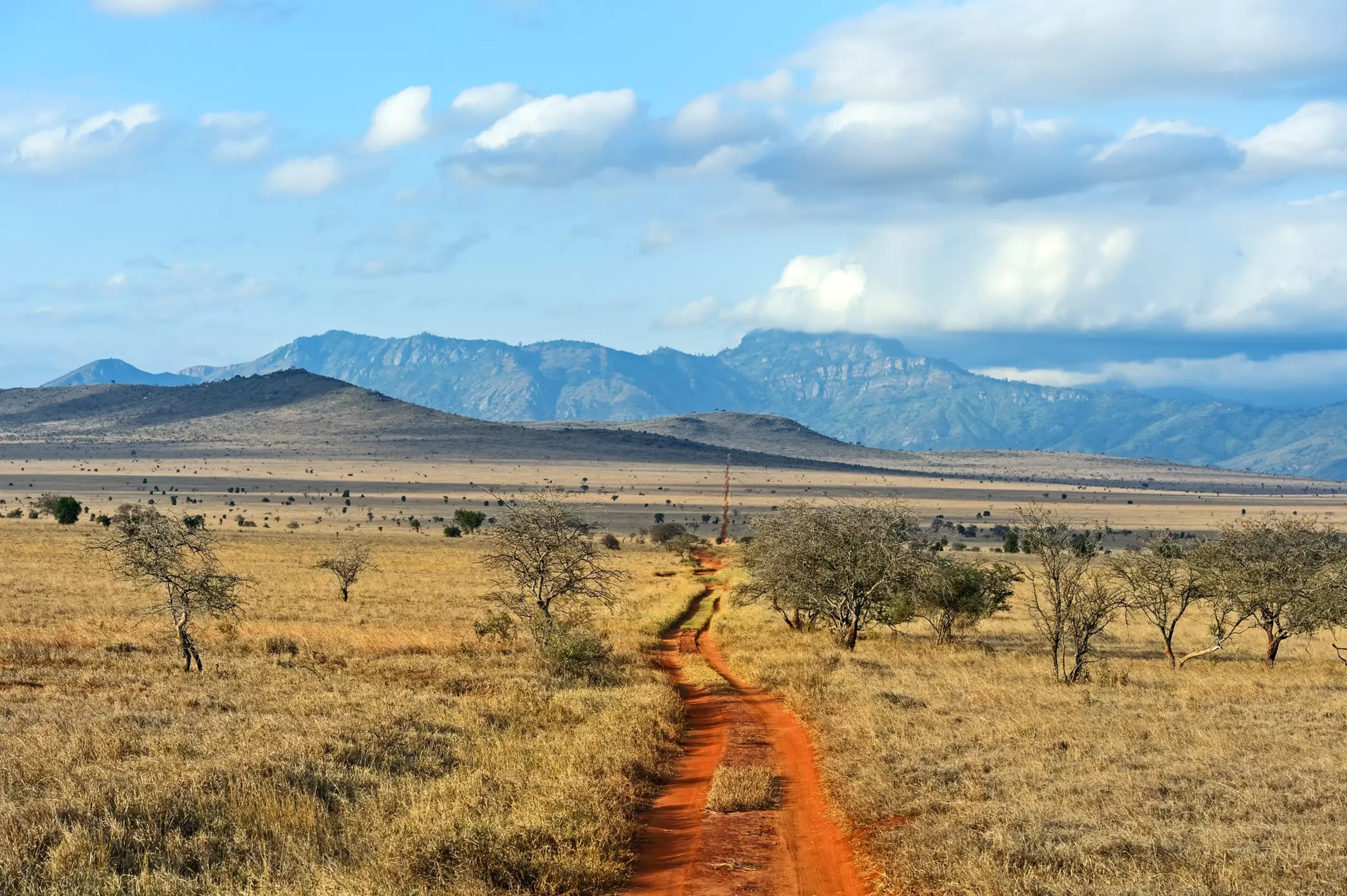
Kenya’s largest protected area, Tsavo sprawls across roughly 23,000 sq km between Nairobi and the coast, sheltering East African wildlife since 1948. The vast wilderness is split by the Nairobi-Mombasa highway into two parks – 13,747-sq-km Tsavo East and 9065-sq-km Tsavo West – and the pair earned a place on Best in Travel 2027, Lonely Planet’s annual list of top destinations and experiences.
Come for red-earth savannas, big elephant herds, dramatic lava flows and quiet horizons that feel blissfully free of crowds. Tsavo East’s flatter, more open terrain makes wildlife easier to spot (look out for its maneless lions), while Tsavo West is wilder and more varied, with swamps, natural springs, rocky peaks and extinct volcanic cones – though you’ll need more patience to find animals among its denser foliage.
Planning tip:From Nairobi, you can reach Tsavo by train in about 4 hours or by road in roughly 6. Make park bookings through Kenya Wildlife Service or at the park headquarters in Voi (Tsavo East) or Mtito Andei (Tsavo West).
2. Nairobi
Best for culture and nightlife
The city at the center of it all, Kenya’s capital is a great stopover before you head off on safari or hit the beach. With art galleries, open-air cinemas showcasing African films, shopping, stand-up comedy shows and museums, Nairobi is rich in cultural experiences. Unpack your bags and spend a couple of days eating and drinking your way across the array of bars and restaurants – buzzy spots such as Cultiva, where the chef’s South American roots can be tasted in each farm-to-table dish, and Unseen Nairobi, an independent art house and rooftop bar where signature sandwiches serve as the perfect side to indie films.
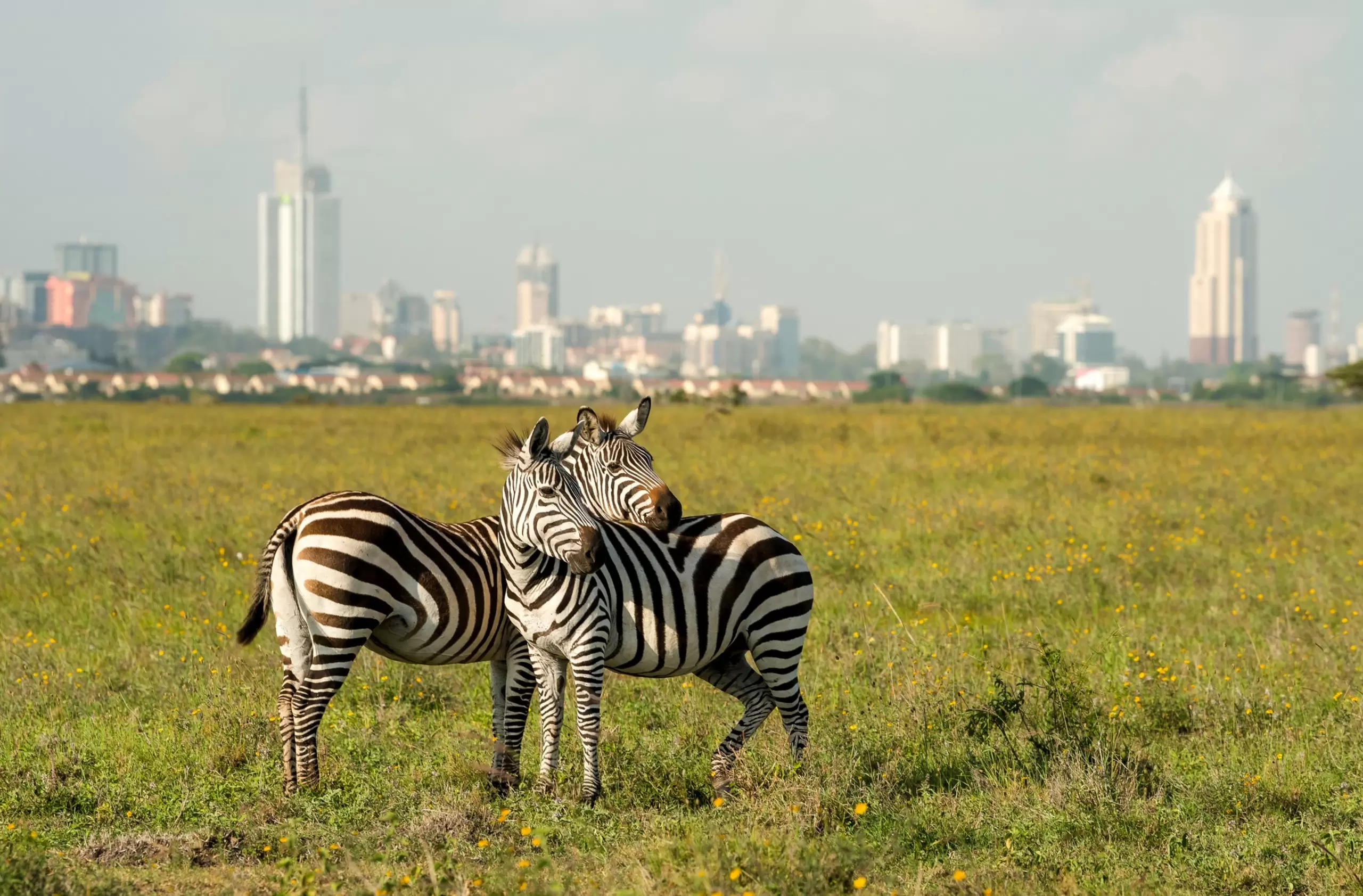
Planning tip:Even in the capital, you can get up close with wildlife. Options include seeing orphaned baby elephants at the Sheldrick Wildlife Trust, feeding Rothschild giraffes at the Giraffe Centre and spotting four of the Big Five (not elephants) at Nairobi National Park against an unlikely backdrop of billboards, traffic and skyscrapers.
3. Turkana
Best for couples on an adventure
Remote, inhospitable and historically drought-stricken, Turkana looks like a vast empty area on a map of Kenya, but it’s a big draw for adventurers who thrive on challenge. Although the region has an airport, the thrill is in road-tripping, which requires a reliable 4WD to navigate the craggy roads.
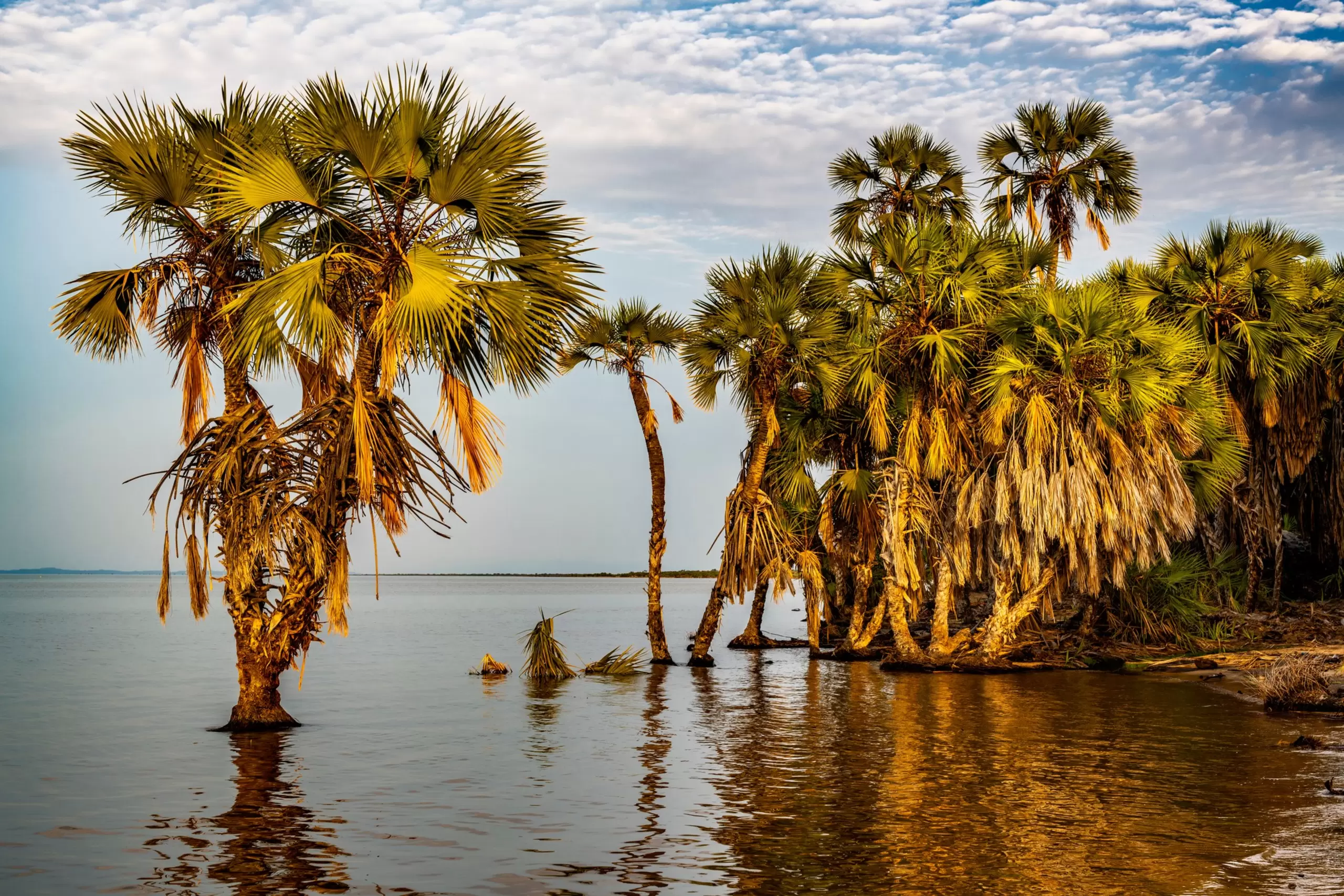
Given how hot and arid the region is, Lake Turkana (the Jade Sea), the largest desert lake in the world, is a wonderful surprise. Visit Eliye Springs, with its sandy beaches and towering green palm trees, and you could be forgiven for thinking you’re on Diani Beach on the Kenyan coast, or rent a speedboat and zip to Central Island National Park, where a short hike leads up to a volcanic crater lake. Don’t forget your swimsuit, and be wary of Nile crocodiles camouflaged on the rocks.
Fast-developing Lodwar bursts with lively nightlife and also features its own replica of Rio’s famous Cristo Redentor statue. For a real glimpse into the past, drive 129km west to see a replica of the archaeological fossil remains of Turkana Boy, a 1.5-million-year-old skeleton.
Planning tip:Time your visit with the annual Tobong’u Lore Cultural Festival in May or June for better insight into northern tribes such as the Borana, Rendille, Turkana and Samburu. East of Lake Turkana in the Chalbi Desert, salt pans spread to the Ethiopian border; you can sandboard the dunes and gain insight into local cultures by meeting villagers at North Horr.
4. Masai Mara National Reserve
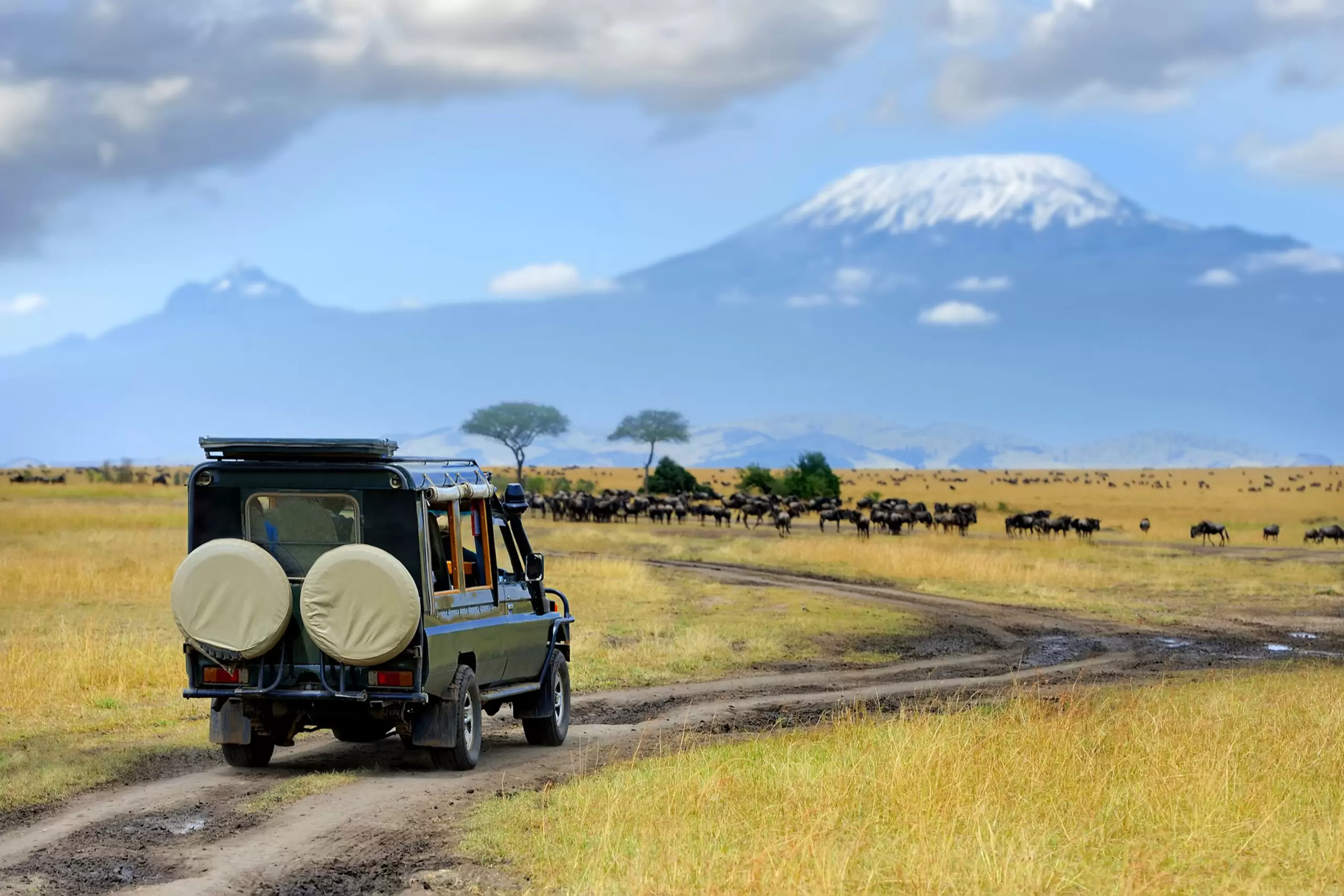
One of Africa’s best safari destinations, Masai Mara lies in Kenya’s southwestern region and stretches for 1510 sq km into Tanzania’s Serengeti. Spot all the Big Five and other wildlife here, as well as more than 450 species of birds.
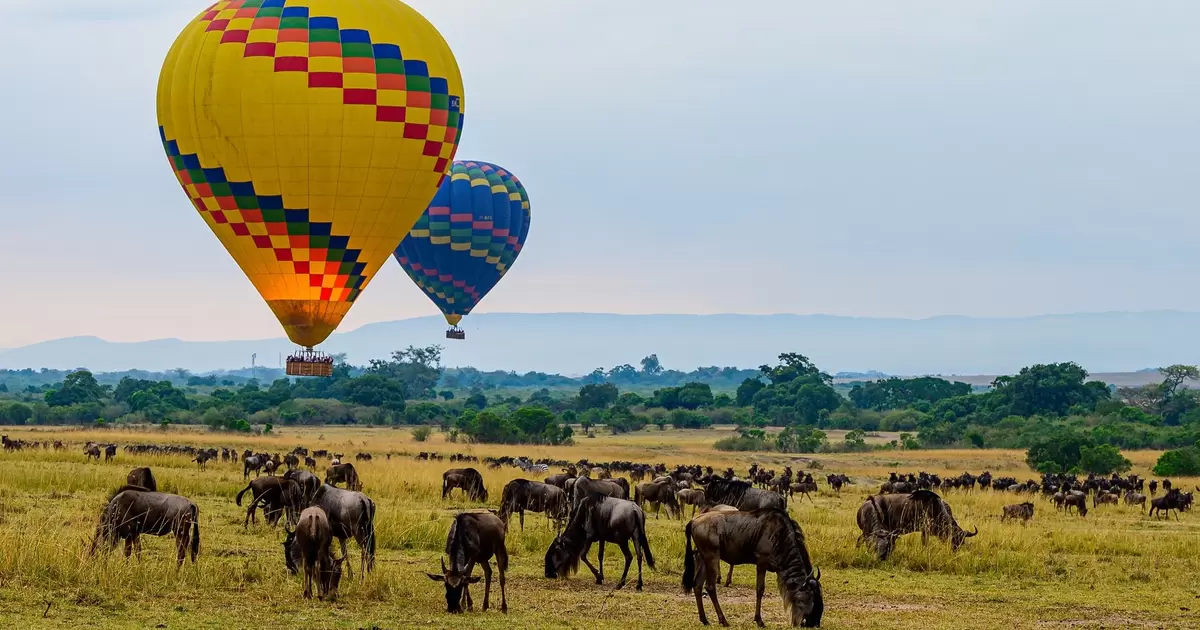
Choose your own adventure and observe wildlife from a safari vehicle, aboard a hot-air balloon with a champagne breakfast, on horseback or on a guided walking safari. You can also visit Maasai villages for firsthand insight into this legendary tribe’s way of life and their historical and spiritual bond with the land.
Planning tip:The best time to visit is between July and October, when millions of wildebeest migrate across the Serengeti–Mara ecosystem in search of verdant pasture and to calve. It’s an action-packed scene that often involves them being hunted by crocodiles and big cats.
5. Kisumu
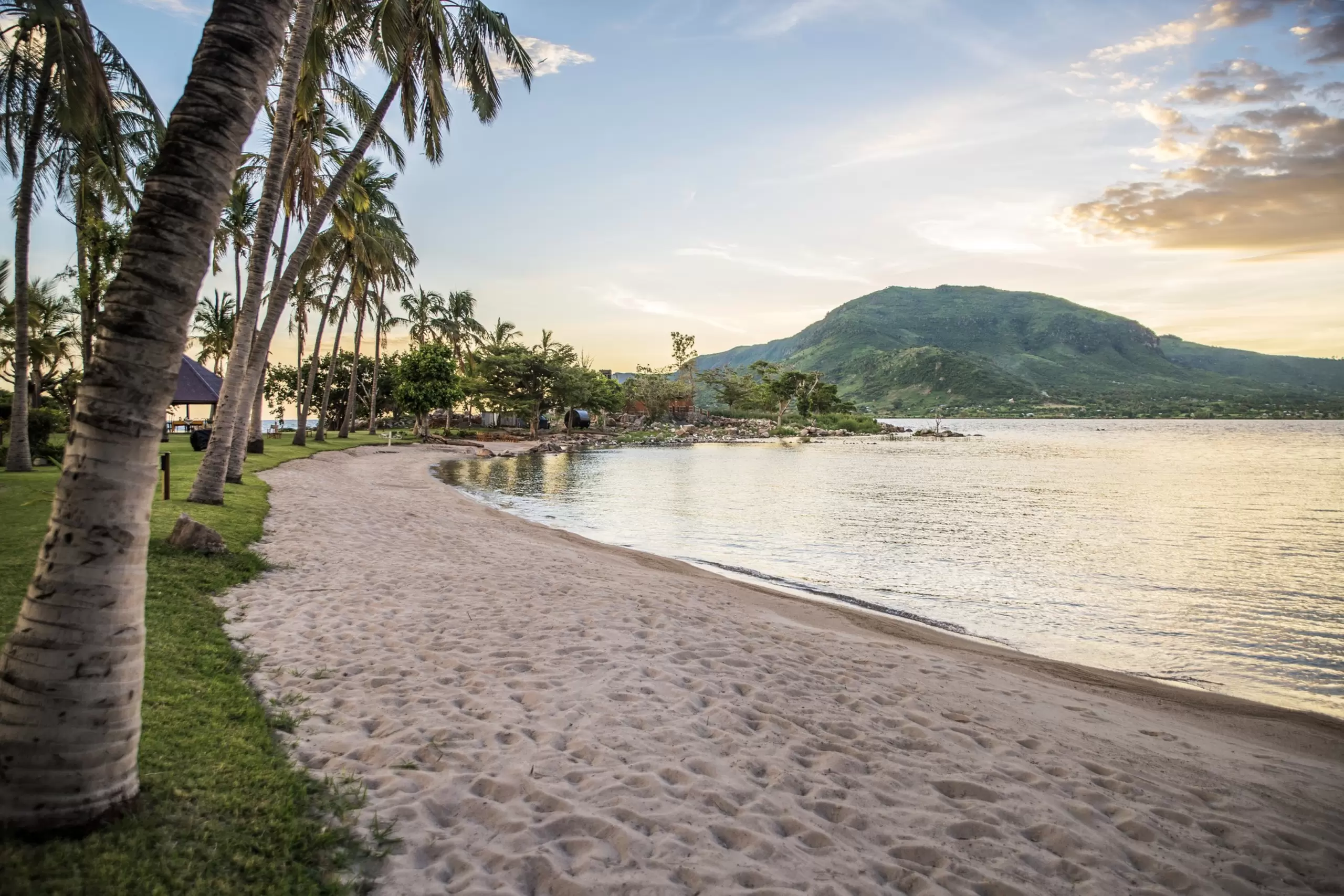
Kisumu is the gateway into western Kenya and is in proximity to one of Africa’s Great Lakes, Lake Victoria. Boat rides and bird-watching are the big draws here. Head to Le Pearl or Dunga Hill Camp to try tilapia, either deep-fried or slathered in a thick and delicious fried tomato and onion base, served with ugali (a local staple similar to a thick porridge).
The sunsets over the water in Kisumu are alone worth the trip, but you can also explore the Impala Sanctuary; visit out-of-town caves and rock formations, such as Kit-Mikayi and the lesser-known Abindu Caves; and dance until morning to popular ohangla (Luo pop music) at various spots in town.
Zip down to the lake’s most popular islands – Mbita, Rusinga and Takawiri – where the beaches are powder white and the sunsets glow. As the sun sets, you’ll see the “ghost cities,” formed by hundreds of lanterns hoisted on wooden canoes by fishers heading off to fish by night.
Planning tip:Getting here from Nairobi requires either a 45-minute flight or at least 6 hours on the road, but your best bet is the overnight passenger train service.
6. Lamu Archipelago
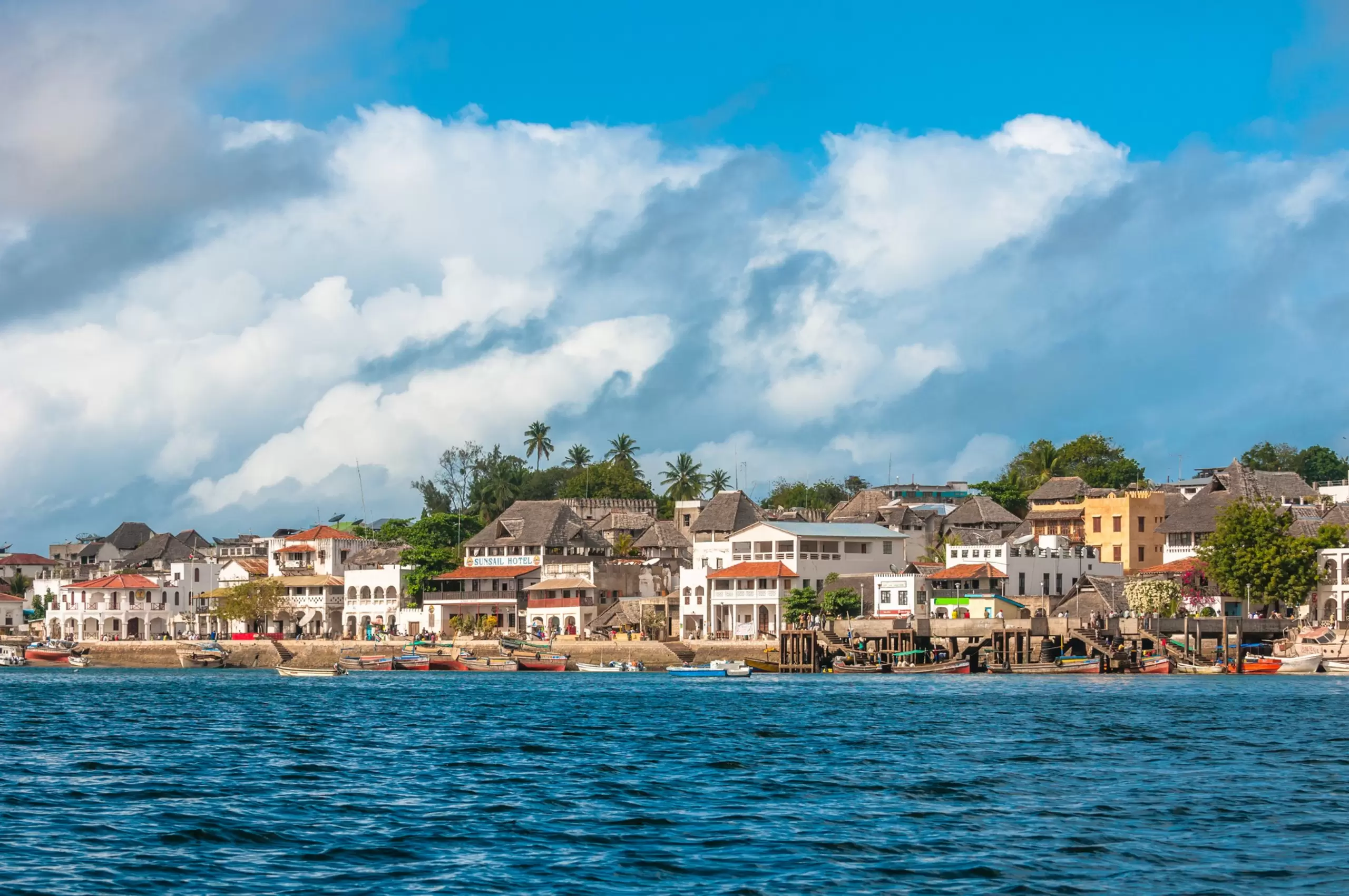
Looking for gorgeous beaches with a laid-back vibe? The Lamu archipelago is the place. Kenya’s white-sand beaches and warm turquoise water are a sure way to keep kids happy. Some hotels and resorts offer activities to keep children busy, such as snorkeling and boat trips. Renting a dhow (a traditional wooden boat) is a fun way to have family time on the water.
History buffs should head to Lamu Town, the oldest Swahili settlement along East Africa’s coastline – everything from the architecture to the food is storied. The streets are so narrow that it’s inaccessible by car. Donkeys or walking were once the only modes of transport, but motorbike taxis called boda-boda now whiz through the corridors blasting the latest hits.
Hop on a speedboat and explore other spots across the archipelago, such as Kiwayu Island in Kiunga Marine National Reserve, which is ideal for diving or sport fishing. In Shela, holiday homes with infinity pools that gaze out to the sea are the norm.
The annual Lamu Yoga Festival in late October or early November draws students from across the world.
Planning tip:Lamu is a largely Muslim area, and clothing that covers shoulders and chests is expected.
7. Amboseli National Park
Best for seeing elephants up close
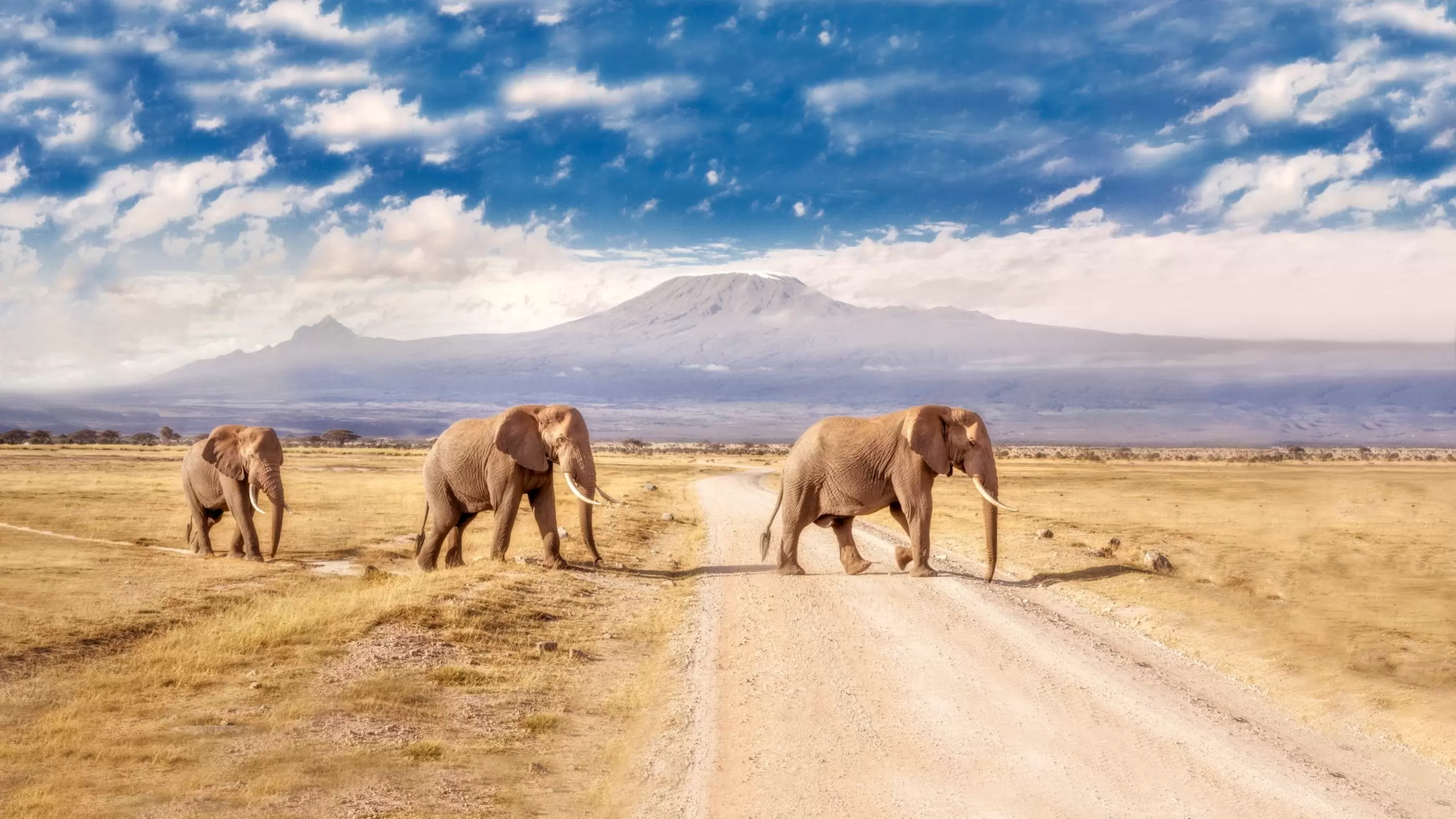
In Amboseli National Park, miles of semiarid grassland are unexpectedly dotted with acacia trees and green marshes fed by underground waterhing or coming so close to your vehicle that you can see their eyelashes
Africa’s tallest mountain might be in Tanzania, but the best views of Mt Kilimanjaro are undoubtedly from Kenya. On a clear day, you can see its snowcapped peak jutting out into the sky, making an incredible shot for photographers. Come evening, kick back and enjoy the views, or get an early night and head out at sunrise, when views are even better from the vantage point of a hot-air balloon.
Wildlife use the neighboring Kimana Sanctuary as a corridor to move between Chyulu Hills National Park and Tsavo West National Park, and your visit supports a community-owned conservancy – Kenya’s first, set up in 1996. To champion the shift from hunting to conservation in a community where killing lions was once a rite of passage, Amboseli hosts the biennial Maasai Olympics, in which young men compete in club and spear throwing, high jumping and sprinting races.
Planning tip:The only way to sightsee in Amboseli is with a car. You can rent one on your own and DIY, but the more popular choice is engaging a driver along with a 4WD rental and seeing multiple locations, usually beginning in Amboseli and ending at Taita, or vice versa. Consult a travel agency or your hotel to organize an itinerary.
8. Watamu Marine National Park
Best for diving and snorkeling
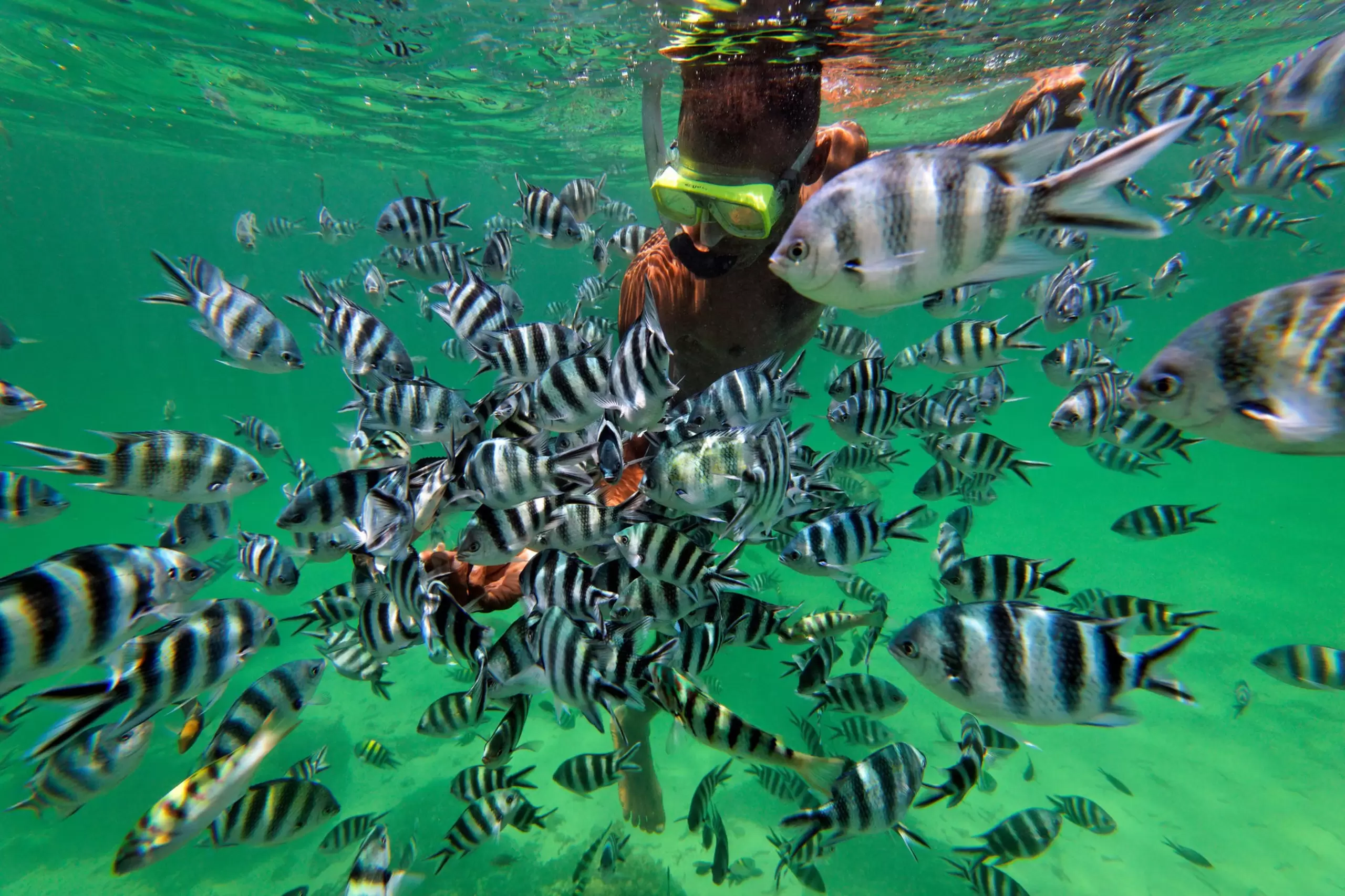
Watamu is a great hub for exploring the north coast, and the culture has such a distinct Italian influence that several locals speak the language – even some street signs are in Italian. Italians first came here in the 1960s to work at the nearby Luigi Broglio Space Center, and many restaurants serve pasta, pizza and gelato.
Go diving or snorkeling in the southern part of Malindi Marine National Park, join the Saturday evening parties at Paparemo Beach, visit the striking canyons at Marafa (just not in the middle of the day because you might pass out from the heat), sign up for boozy sunset cruises down Mida Creek or go kitesurfing at Che Shale.
Planning tip: If you’re here in October, head out on a boat and keep your eyes peeled for huge humpback whales that launch themselves into the air before landing back in the sea a few feet away from you.
9. Matthews Range
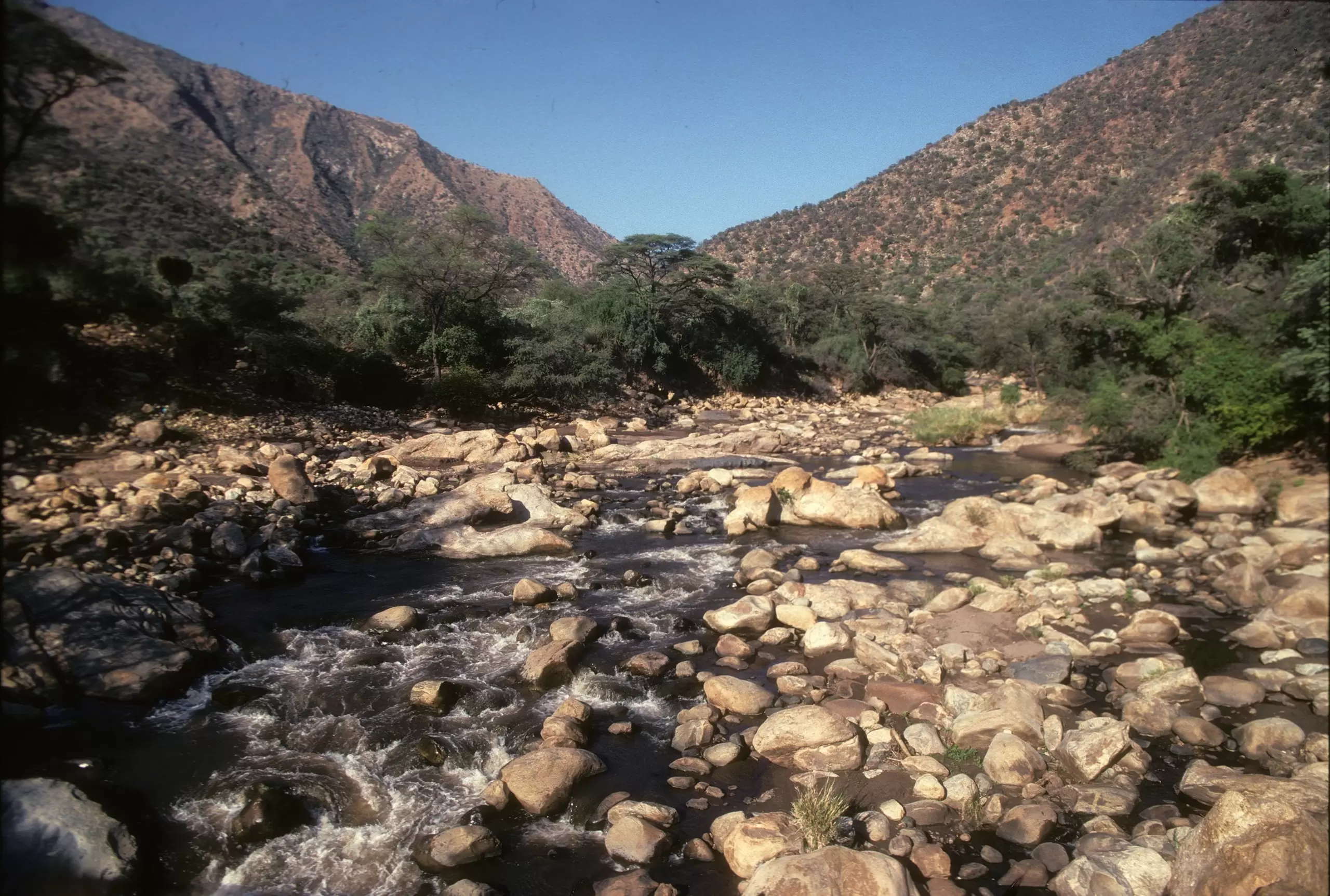
Getting to the far-flung Matthews Range in Samburu is no easy feat. Hikers can choose from various scenic routes, each just as serene as the next, but for the best experience, pick a trail that leads through a canopy of trees with emerald undergrowth so thick that you’ll need a machete to clear the path, emerging at an icy cold rock pool on the Ngeng River.
The highest peak in these mountains is 2688m, and temperatures get as low as 10ºC (50ºF). You can camp or stay at remote lodges, like Kitich Forest Camp, where you’ll be paired up with a Samburu guide who will help you navigate the area and point out wildlife by their tracks and sounds.
On your way down from the peak, try to spot Hartlaub’s turaco, a bird that may as well be the Kenyan mascot because it has the same colors as the flag, and De Brazza’s monkey, a master at camouflage.
Planning tip:A local guide can introduce you to Samburu culture and practices without imposing on locals’ daily lives. While English is spoken widely, it will only get you so far. The best place to find a guide is at the larger hotels in Isiolo or at the national reserves.

