

Africa’s biggest cobalt producer tightens grip on global supply with tougher export quota rules
The Democratic Republic of Congo (DRC) is set to seize unused cobalt export permits from mining firms, reallocating them to a state-managed reserve. This move, detailed in a regulatory notice reviewed by Reuters, introduces stricter regulations designed to bolster government oversight of the worldwide market for this crucial battery metal.
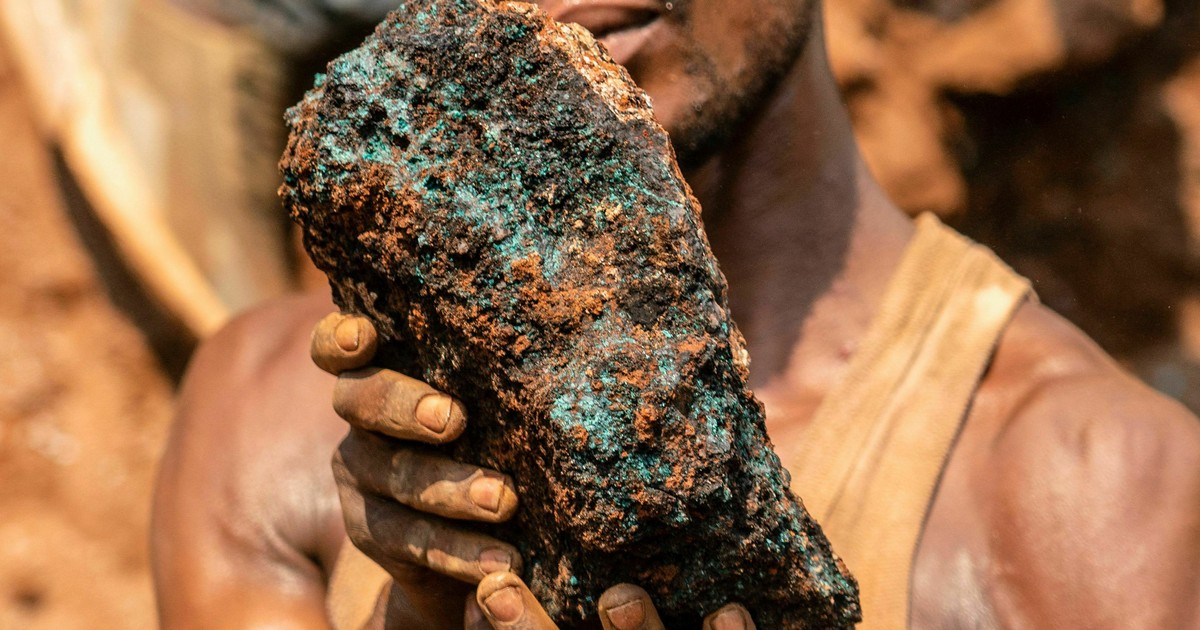
Cobalt sourced from the DRC serves as a vital raw material for electric vehicle batteries and various clean energy innovations.
Unused cobalt export allocations will be confiscated by the Democratic Republic of Congo and moved into a government-controlled reserve, as per a regulatory document observed by Reuters.
This action enhances Kinshasa’s influence within the international cobalt market, coming after a significant price recovery that followed previous export limitations.
Firms in the mining sector that do not utilize their assigned quotas by the specified deadline face the permanent forfeiture of their export privileges.
This policy is integral to the nation’s wider plan to boost domestic mineral processing and extract greater economic benefit from its valuable critical mineral resources.
A directive from ARECOMS, the nation’s strategic minerals regulator, specifies that any export quotas designated for the first half of 2026 that remain unutilized by June 30 will automatically lapse. These volumes will then be reallocated to the regulator’s “strategic quota,” granting the government increased authority over their distribution.
This decision represents the newest measure in Kinshasa’s ongoing drive to assert more control over cobalt supplies, following earlier market interventions aimed at mitigating a persistent oversupply that had pushed prices to their lowest levels in years.
The updated regulations prohibit mining companies from rolling over unused quotas into subsequent allocation periods. Instead, these forfeited volumes will be subtracted from their initial allocations and rechanneled into initiatives deemed to serve the national interest.
ARECOMS indicated that such projects would encompass efforts to expand internal mineral processing, enhance value addition, and safeguard the nation’s enduring economic interests.
Furthermore, the regulator has tightened export protocols, stipulating that only cobalt shipments declared within the customs system by July 5 will be eligible under the first-half export quotas. These new provisions become effective on July 1.
Companies also risk complete revocation of their export quotas if they consistently fail to export assigned volumes, transfer quotas without proper authorization, process cobalt from third parties or artisanal miners without permission, or violate other regulatory stipulations.
Cobalt mined in the DRC is a crucial raw material utilized in electric vehicle batteries and various clean energy technologies.
This metal is a fundamental component in electric vehicle batteries, energy storage solutions, aerospace alloys, and numerous high-performance industrial uses, ensuring that the nation’s policy choices are closely observed throughout international commodity markets.
These newest restrictions expand upon measures implemented earlier this year, which saw the Congolese government temporarily halt cobalt exports due to an extended supply surplus that had driven prices down.
Subsequently, authorities substituted the export suspension with a quota system, intended to improve export management and facilitate market recovery.
This strategy has yielded substantial results. Worldwide cobalt prices have surged approximately 160% since February 2025, now standing at about $26 per pound ($57,320 per metric tonne), as constrained supplies have limited the volume of material available on international markets.
The nation’s mining sector is largely controlled by major international operators, such as Chinese mining giant CMOC and commodity trader Glencore.
CMOC surpassed Glencore in recent years to become the world’s leading cobalt producer, underscoring China’s increasing sway over the global supply chain.
This most recent policy also mirrors a wider trend.
Nations such as Zimbabwe and Namibia have implemented initiatives to promote the in-country processing of critical minerals instead of exporting them as raw materials. Concurrently, governments throughout the continent are persistently pursuing industrialization strategies connected to the worldwide energy transition.

