

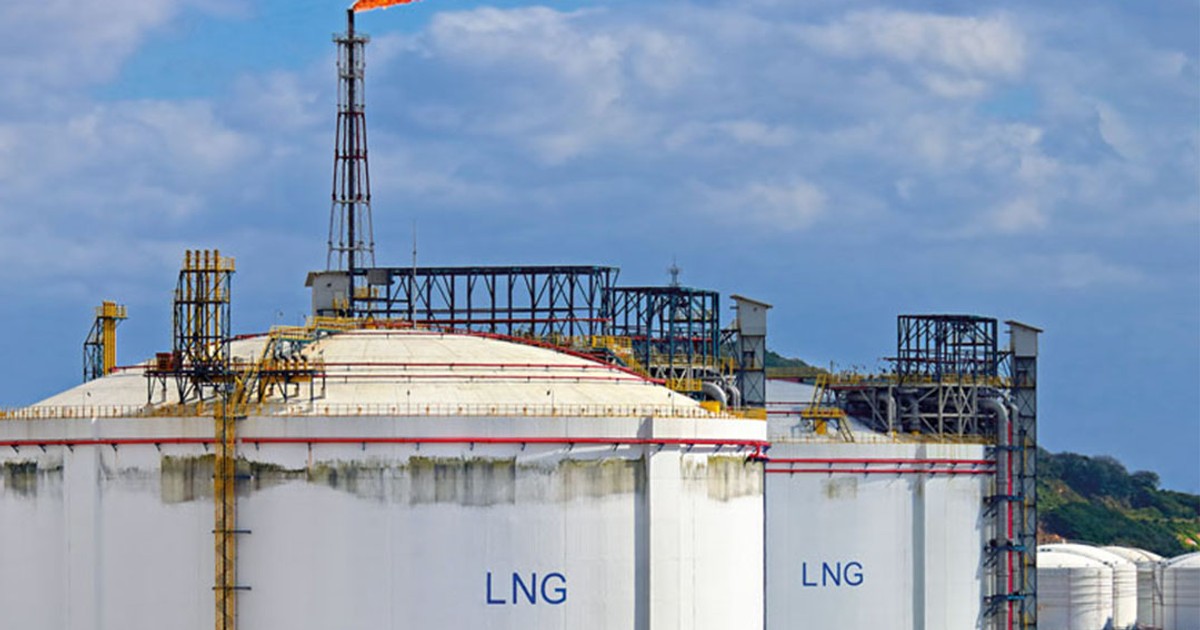
One of Africa’s biggest natural gas opportunities is entering a defining phase, but Mozambique’s local businesses have been told they cannot rely on government protection to secure a share of the country’s multibillion-dollar LNG industry.
Mozambique’s LNG projects are expected to create contracts across construction, logistics, engineering and other parts of the energy supply chain.
- Mozambique’s LNG projects could unlock more than $50 billion in investment.
- Eni says local firms must meet global standards to win contracts.
- Mozambican businesses have already secured about $1 billion in Eni-linked work.
- A new law seeks to keep more gas-sector spending and jobs within the country.
With more than $50 billion in planned investments across the Rovuma Basin, Mozambique is positioning itself as Africa’s next major liquefied natural gas (LNG) exporter.
The projects promise thousands of jobs and billions of dollars in spending on engineering, logistics, construction, transport, catering and other services.
The bigger question, however, is how much of that wealth will stay in Mozambique. Eni Mozambique’s General Manager, Marica Calabrese, says the answer depends less on legislation and more on whether local companies can compete with international suppliers.
“Companies cannot just ask for laws to ensure they get contracts with international operators. Each company has to work on itself to become competitive,” Calabrese said during the 21st Annual Private Sector Conference (CASP) in Maputo.
Her remarks highlight a challenge facing many reoreign investment is one thing; ensuring domestic businesses benefit from it is another
DON’T MISS THIS:Mozambique clears path for $20 billion TotalEnergies LNG project after years of delay
A billion-dollar opportunity already exists
Mozambican companies have already begun breaking into the country’s growing gas industry.
According to Calabrese, Eni has awarded more than $1 billion in contracts to local businesses, demonstrating that domestic firms can participate in large-scale energy projects when they meet international requirements.
The Italian energy company said the Coral Sul floating LNG project has shown that Mozambican businesses can deliver services for world-class developments when they possess the necessary technical expertise, financial capacity and safety standards.
That experience matters because companies that build strong track records in Mozambique could eventually compete for contracts with other global energy operators across Africa and beyond.
Rather than seeing local content as a temporary policy advantage, Calabrese argued that businesses should view it as an opportunity to become globally competitive.
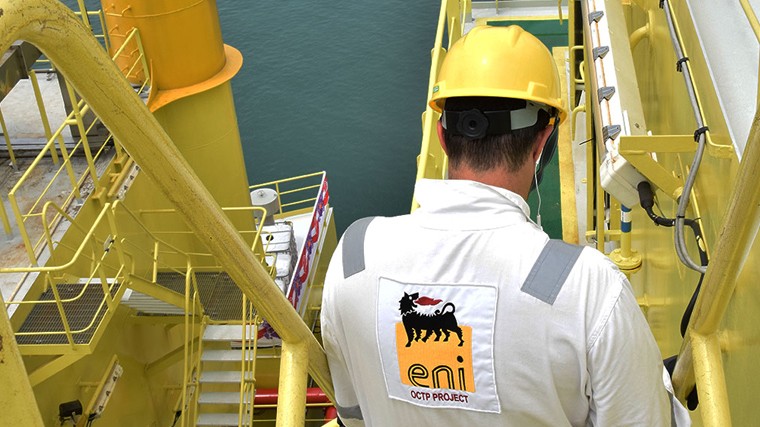
Eni says Mozambican businesses have secured about $1 billion in contracts but must remain competitive to win more work.Eni
ADVERTISEMENT
The real challenge goes beyond local-content laws
Mozambique has moved to ensure more of the benefits from its natural gas industry remain within the country.
In June, President Daniel Chapo signed a new Local Content Law alongside amendments to petroleum, mining and state-owned enterprise legislation aimed at increasing the participation of Mozambican companies in major projects.
The reforms are designed to help local firms secure a larger share of procurement spending, create skilled jobs and encourage technology transfer.
But legislation alone cannot prepare businesses for the demands of billion-dollar LNG developments.
DON’T MISS THIS:Russia offers military support to secure one of Africa’s biggest gas frontiers as LNG investments return
International energy companies operate under strict standards covering engineering quality, health and safety, environmental compliance, delivery schedules and financial strength. Contractors that fail to meet those requirements can delay projects and increase costs.
For many local businesses, the challenge is therefore not simply gaining access to contracts but developing the expertise needed to retain them.
Government says opportunities must match training
Mozambique’s Minister of Mineral Rels is only part of the solution
“It is not enough to train companies if they cannot access opportunities. It is not enough to train personnel if we do not create conditions for their integration and growth in the sector.”
He called for stronger partnerships between international operators and Mozambican businesses, arguing that collaboration is essential for technology transfer and long-term industrial development.
The minister also urged financial institutions to play a bigger role. Access to finance remains one of the biggest obstacles facing small and medium-sized businesses seeking to participate in large energy projects.
Companies often need significant upfront capital to purchase equipment, hire qualified staff and meet the financial requirements of multinational operators.
Without that support, many local firms could remain spectators despite the country’s gas boom.
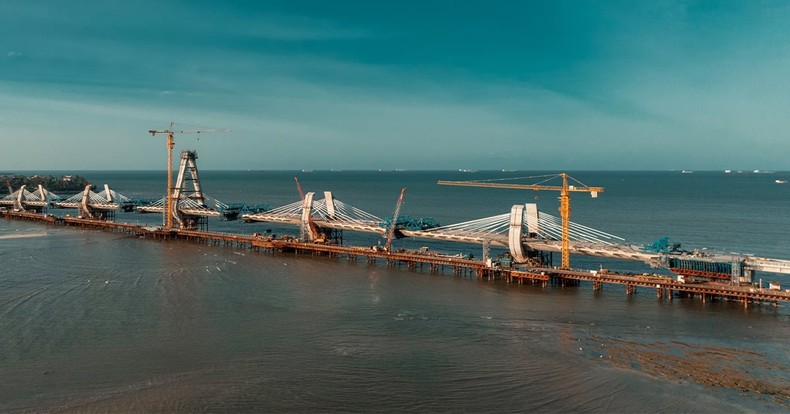
The Coral South floating LNG facility began exports in 2022 and has helped establish Mozambique as a global gas supplier.BI Africa
Why the world is watching Mozambique
The Rovuma Basin, located off Mozambique’s northern Cabo Delgado province, contains some of the world’s largest offshore natural gas discoveries of recent decades.
As Europe seeks to diversify gas supplies and Asian demand for LNG continues to grow, Mozambique is emerging as an increasingly important future supplier to global energy markets.
DON’T MISS THIS:France, US-backed gas megaprojects fuel $5.6 billion FDI inflow in Africa’s emerging LNG powerhouse
Eni began LNG production from the Coral Sul floating facility in 2022 and is now preparing the $7.2 billion Coral Norte project, which is expected to increase production capacity from 2028.
Meanwhile, TotalEnergies is working to resume its Mozambique LNG project after years of disruption caused by insecurity in Cabo Delgado, while ExxonMobil continues advancing plans for the Rovuma LNG development.
Together, the projects are expected to transform Mozambique into one of Africa’s leading LNG exporters over the next decade.
Across Africa, countries rich in oil, gas and minerals have often struggled to convert natural-re
Governments have earned billions from exports while local businesses remained on the margins, with much of the industry’s spending flowing to foreign contractors and suppliers.
Mozambique wants a different outcome. If domestic companies can build internationally competitive businesses, the country’s LNG industry could leave behind far more than export earnings.
It could create skilled jobs, strengthen local supply chains and develop companies capable of competing across Africa’s energy sector.
If not, one of Africa’s biggest energy investments could generate enormous wealth while much of its long-term value continues to flow overseas.
For Mozambique, the success of its $50 billion gas boom will ultimately be measured not only by how much LNG it exports, but by how many globally competitive businesses it creates at home.
