

The more things change, the more they stay the same, which in this case is a blessing in disguise
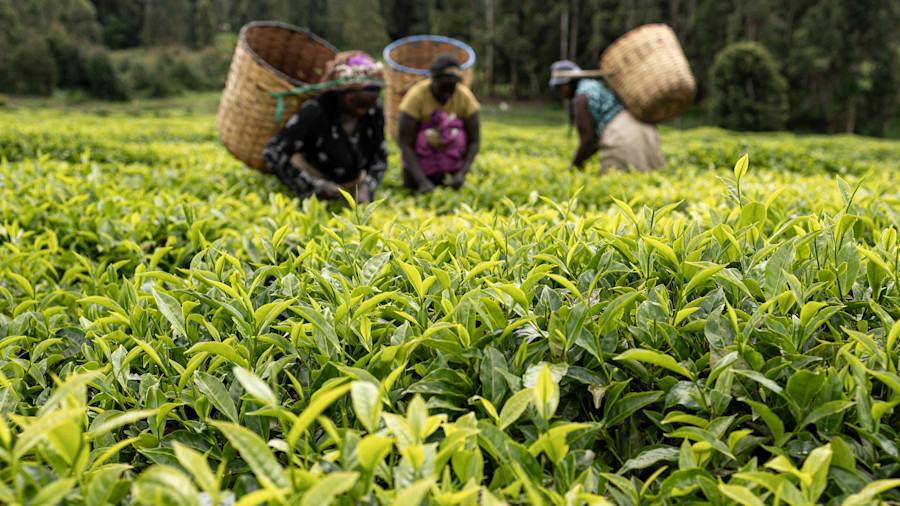
Field work: 40% of Africa’s employment is in agriculture© Photo by SIMON MAINA / AFP
AI and demographics are as big a conversation topic at an African conference as they are anywhere else in the world. Although robots barely get a mention.
The continent’s public and private sectors are fully aware that AI, the fastest technological revolution we’ve ever seen, needs to be understood in the context of powerful but slow-moving demographic change. For Africa, however, AI’s impact should be less dramatic than elsewhere.
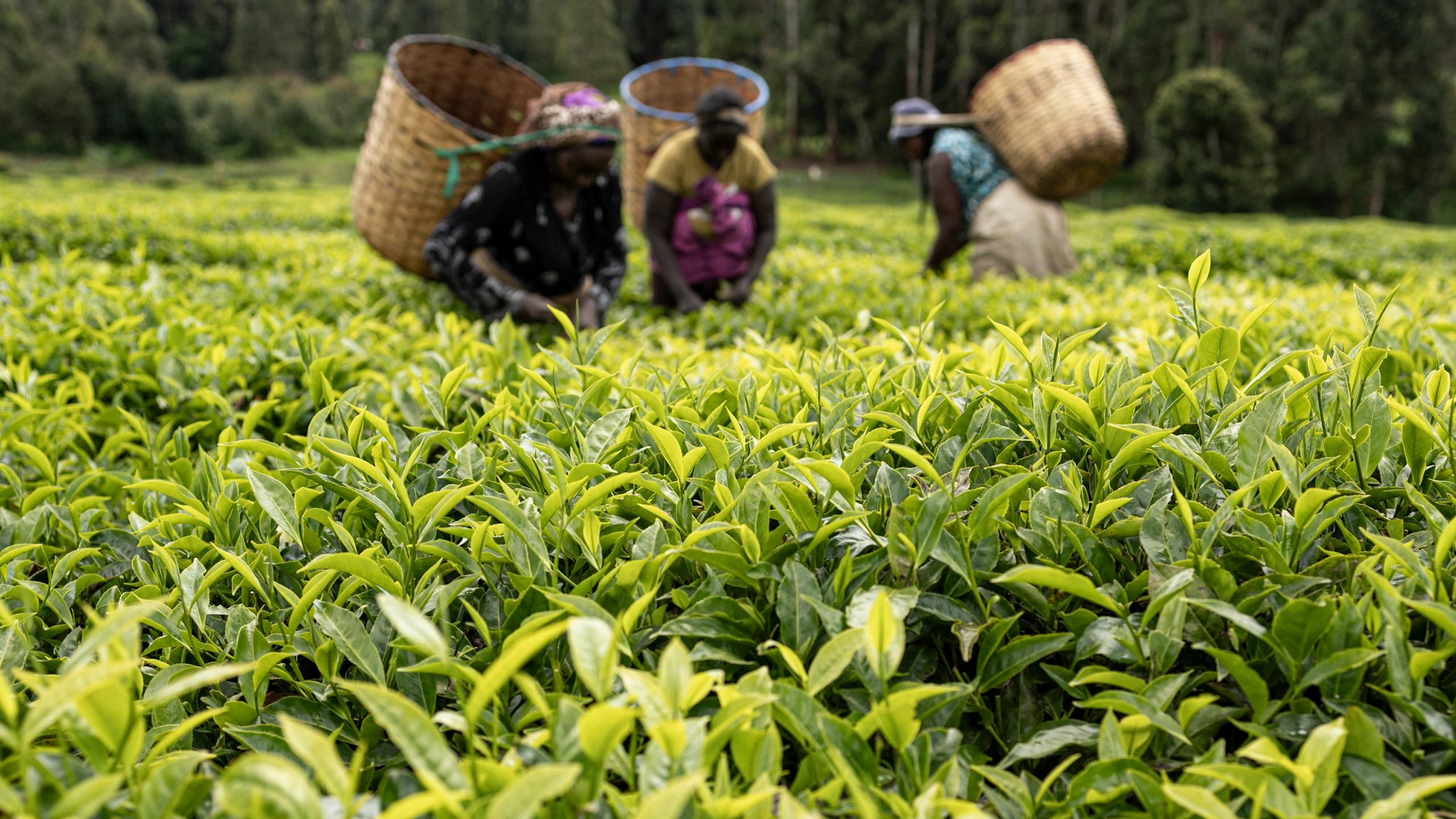
While nearly every office worker in the world is rightly nervous about the impact of AI, 40 per cent of Africa’s employment is in agriculture compared with 21 per cent in Asia or 6 per cent in Europe. Claude for Excel doesn’t threaten subsistence agriculture jobs.
Job creation is a huge priority in Africa. The number of its 20—34 year olds is forecast to rise by 52mn between 2025 and 2030 to nearly 420mn, according to the UN’s latest population forecasts.
The corresponding rise in Asia will be just 2mn, to 1,088mn in total. That includes a rise of 13mn young workers in southern Asia, but an 18mn decline in east Asia. In Korea this has prompted Hyundai to increase investment in robots, which triggered 87 per cent of Hyundai’s union members in June voting to strike.
Robots make much less economic sense in low value-added manufacturing like textiles, and that’s where the bulk of manufacturing jobs will be created in Africa over the next few decades.
Claude for Excel doesn’t threaten subsistence agriculture jobs
Even on salaries of $100 to $200 a month, they will be better off than their parents earning nothing from subsistence agriculture, but they will probably remain too competitive to be replaced by expensive automation. By 2050, the rest of the world will be buying low-cost clothes made in Africa, by Africans, who will then gradually move up the jobs value-added chain over this century.
For governments, the key task is to support that transition from agriculture to textiles by focusing on energy supply. More electricity is needed, not so much for expensive AI data centres, but instead to power the mills that create jobs.
Maybe here AI will help, by spreading the knowledge of how to do this most cheaply and quickly, and allowing the continent to copy or even beat the best development stories we’ve seen in Asia over the past half century.
Sometimes starting a race in last place can have its advantages.
Related Topics
View from Middle East & Africa
