

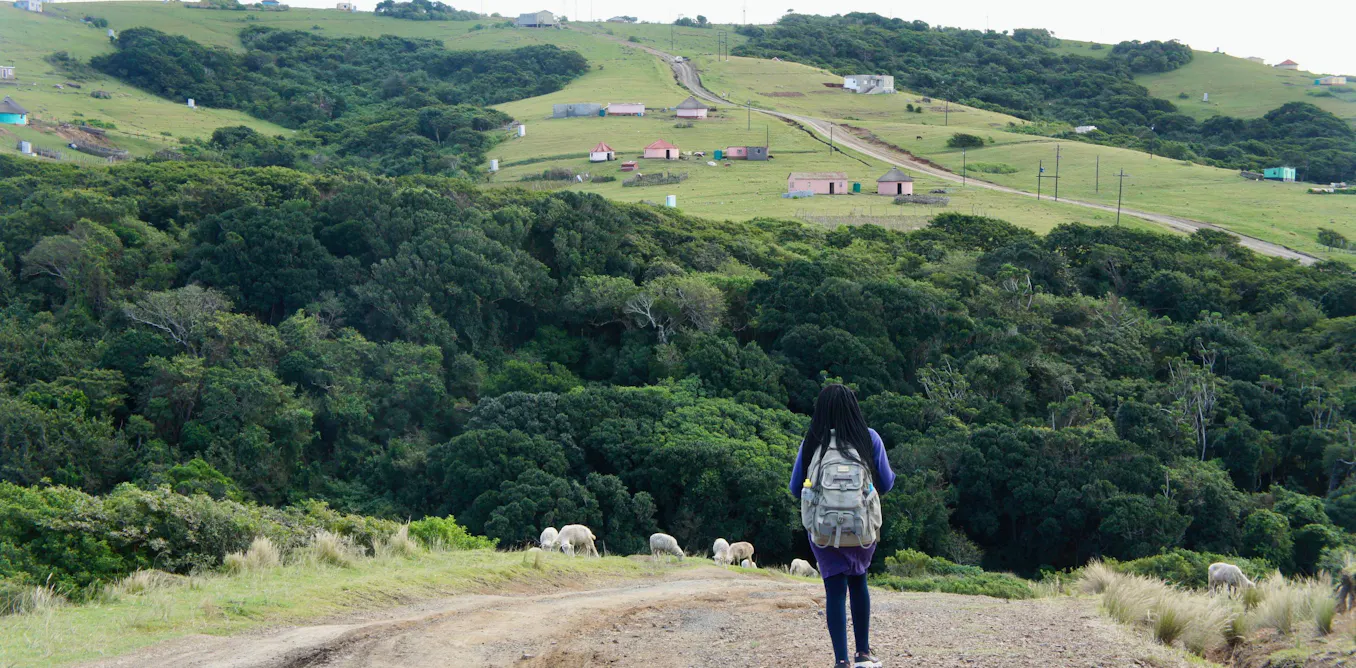
Noncommunicable diseases such as cardiovascular diseases, diabetes, chronic respiratory diseases and cancers account for about 75% of deaths globally. Early detection is key to managing the scale of the problem. But that’s not always possible in rural communities, where there are often shortages of healthcare workers, long travel distances and financial barriers. Fragmented referral systems can also delay diagnosis and follow-up.
This gap in prevention and early detection is one we see often in rural South Africa. As a health researcher and biokineticist working in the country’s public sector, I’m interested in whether biokineticists could play a greater role in closing this gap.
Biokineticists are regulated health professionals who use exercise scientifically to promote health, prevent disease and support people living with chronic conditions. South Africa has an estimated 1,831 registered biokineticists, mostly in the private sector. They are scarce in public primary healthcare, particularly in rural communities.
In our recent research, my co-authors and I wanted to understand what biokineticists thought about their role in preventing diseases and identifying health risks early. We also wanted to explore what was preventing them from contributing more effectively to rural primary healthcare.
To this end, we conducted in-depth interviews with 10 biokineticists. All had experience in rural outreach or public-sector healthcare, including community wellness screening. But most were based in or around cities. Six worked in the public sector and four in private practice.
We were not trying to represent the views of all biokineticists in South Africa or test a particular intervention. Instead, we wanted to understand the experiences of these professionals.
We found a referral vacuum: a point where a disease risk had been identified, but the public healthcare system did not provide a dependable bridge to further assessment, treatment and follow-up.
Identifying disease risk
All participants reported routinely conducting physiological screenings. These included measuring people’s blood pressure, glucose, cholesterol, body mass index and waist circumference. These measures are important because they can indicate major risk factors for diseases. The signs can be hypertension, abnormal blood glucose, dyslipidaemia (abnormal or unbalanced levels of fats in your blood) and excess or central body fat. They help to identify people who may need further assessment, prevention or referral. Community and rural outreach are particularly valuable as they are an opportunity to identify disease risk among people who can’t easily get routine preventive healthcare.
Several participants had also developed simple ways of communicating the risk to patients. Some used a traffic-light approach. It classifies screening results as green, yellow or red. This helped patients understand their results and recognise when a finding might need further attention or referral.
But identifying a problem was only the first step.
Participants described different experiences of follow-up depending on the setting. Within the South African Military Health Service, they said there were more structured and multidisciplinary referral systems. In contrast, during community and rural outreach, screening could identify potential problems, but there was no consistent mechanism for follow-up, especially where public health services were far from where patients lived.
One participant put it simply:
We give them a report, but there’s no guarantee they’ll go to the clinic.
Rural barriers
For people living in rural communities, the journey from screening to care can involve long distances and transport costs. Participants told us that some people could not afford the taxi fare to the nearest clinic. Others stopped attending exercise or health programmes because the services were too far away.
Telling people to exercise more or visit a clinic is not always enough. Prevention has to take account of the environment people live in.
Participants also identified cultural barriers. One explained that traditional dress could make some women uncomfortable during exercise sessions. Participants acknowledged that cultural and religious considerations were not always incorporated into the programmes they delivered.
This was important. A technically sound intervention can still fail if it does not fit people’s everyday lives and social context.
The main challenge was not a lack of professional capacity among biokineticists. It was the limited integration of their services into the public primary healthcare system. Biokineticists were already identifying disease risk factors and providing exercise-based prevention. But fragmented referral pathways, limited public-sector posts and financial and geographic barriers made it difficult to connect early risk identification with ongoing care.
What needs to change?
South Africa’s National Strategic Plan for the Prevention and Control of NCDs 2022–2027 prioritises prevention, early detection and integrated chronic disease management. The country’s National Health Insurance (NHI) framework also aims to improve equitable access to comprehensive healthcare.
Our findings suggest that prevention-oriented allied health professionals should be part of this conversation. Biokineticists could join primary healthcare teams, particularly in underserved communities.
-
formal referral pathways between clinics and biokineticists
-
collaboration with community health workers
-
sustainable financing for preventive services under the NHI.
The lesson extends beyond biokinetics. Having trained health professionals available does not automatically strengthen a health system. Their skills must be connected to financing, referral pathways, transport, community structures and other health professionals. This would help build a health system that can identify risks earlier and has the structures in place to act.

