

Chikunga said the biggest challenge facing students with disabilities was not their condition but education systems
Government must move beyond policy and tackle inaccessible schools, stigma, and a lack of retion, Minister in the Presidency for Women, Youth and Persons with Disabilities Sindisiwe Chikunga says
Speaking at the Recreation Aid Foundation (RAF) Graduation Ceremony on Wednesday, Chikunga said South Africa’s biggest barriers to inclusive education were not disabilities themselves, but education systems and environments that continue to exclude students with disabilities.
‘The obstacle is exclusion’
Chikunga praised the Recreation Aid Foundation for supporting academically disadvantaged students and those with special educational needs.
“When we speak of ‘Celebrating Achievement, Ability and Inclusion,’ we must indeed begin by reiterating that the greatest barriers faced by students with disabilities in South Africa do not reside in their bodies or their minds; they reside in the environments we create for them,” she said.
“The obstacle is not the student’s difference. It is the exclusionary design of our schools, our systems, our curricula, and – more often than not – our attitudes.”
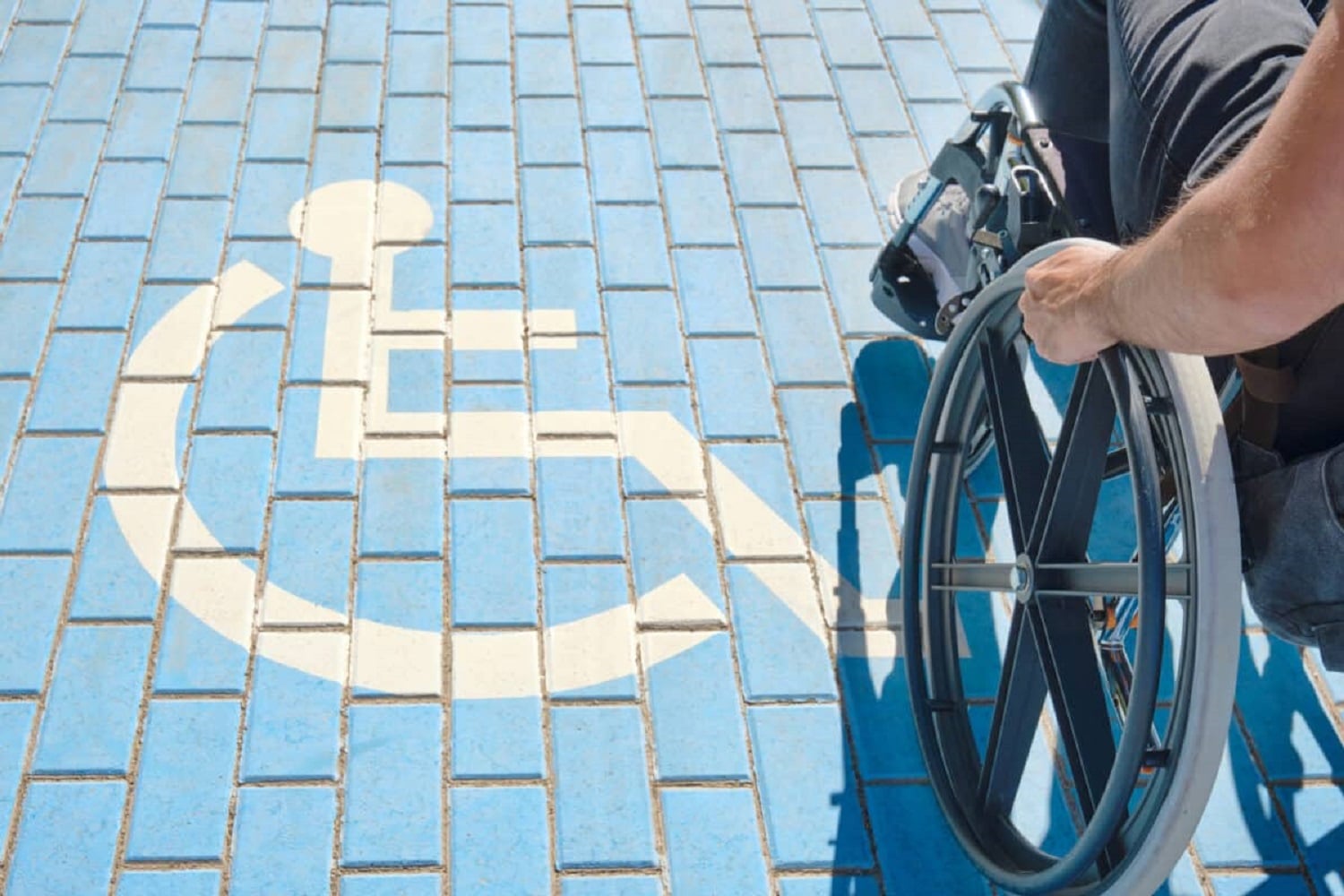
She said many schools, particularly in townships, rural areas and farming communities, were still inaccessible to students with disabilities.
According to Chikunga, these barriers prevent students from participating in education with dignity.
“If a student cannot enter a classroom with dignity, the conversation about inclusive education has already failed before the lesson begins.”
Teacher support and attitudes need to change
While inaccessible infrastructure remains a major challenge, Chikunga said a shortage of assistive devices and insufficient teacher training continued to undermine inclusive education.
“Our teacher training and professional development pipeline itself requires reinforcement,” she said.
“In several educational institutions, students with disabilities are still perceived as ‘problems’ or as ‘extra work’.”
She said inclusive education should never be driven by sympathy.
Chikunga acknowledged that South Africa already had progressive disability policies, but said implementation remained the country’s biggest challenge.
Four priorities for inclusive education
Looking ahead, Chikunga outlined several priorities to improve education outcomes for students with disabilities.
She said special schools should be transformed into reist expertise, adaptive curricula and outreach services
“In Canada, for example, leading inclusive schools host multi-disciplinary teams on-site: occupational therapists, speech-language pathologists, psychologists, and assistive technology specialists – all working together with teachers”.
Chikunga further called for stronger pathways between schools, Technical and Vocational Education and Training (TVET) colleges, community projects and employers to improve employment opportunities for young people with disabilities after leaving school.
She said too many students with disabilities completed school only to face unemployment and social isolation.
Government plans partnerships
Chikunga also announced several initiatives aimed at strengthening disability inclusion through partnerships between government and organisations such as the Road Accident Fund.
“The Department of Higher Education’s National Skills Fund launched a R1 billion Disability Support Fund aimed at providing specialised workplace training, capacity building, procurement support, and enterprise development for persons living with disabilities”
Another proposal involves pairing every special school in South Africa with a state-owned enterprise to help improve infrastructure and educational re
“Working closely with the Department of Public Service and Administration (DPSA), our Disability Unit has developed a circular to ensure that the 10% target is achieved.”
She added that government was developing a Disability Inclusion Research, Advocacy and Mainstreaming Centre of Excellence to support teacher training, bridge the digital divide and develop model disability-inclusive schools.
“For South Africa – and for this government – disability inclusion has been, and continues to be, a constitutional imperative.
“We need targeted investment, monitoring, and a change of attitude in order to make the vision in our White Paper a reality,” Chikunga concluded.
