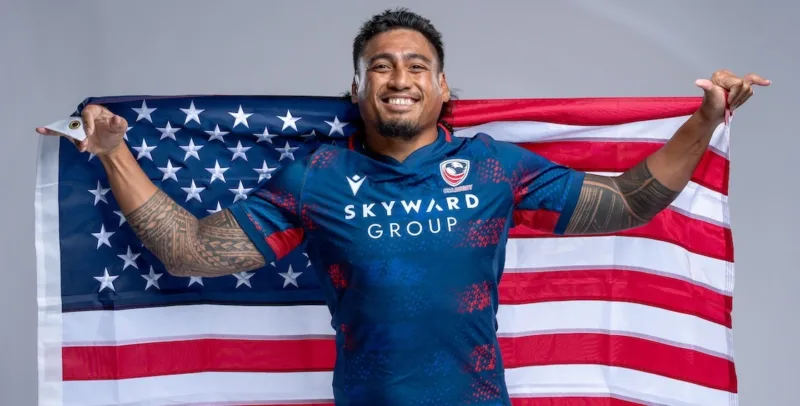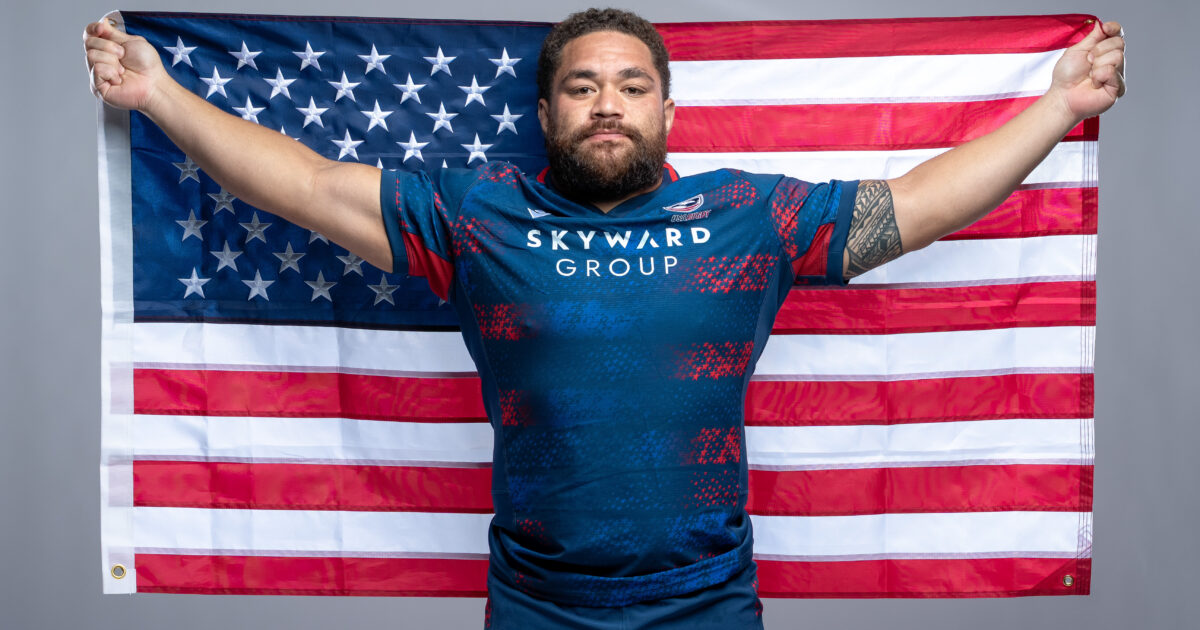
California Legion | Muti and Mano named in USA Eagles XV team
Muti and Mano named in USA Eagles XV team
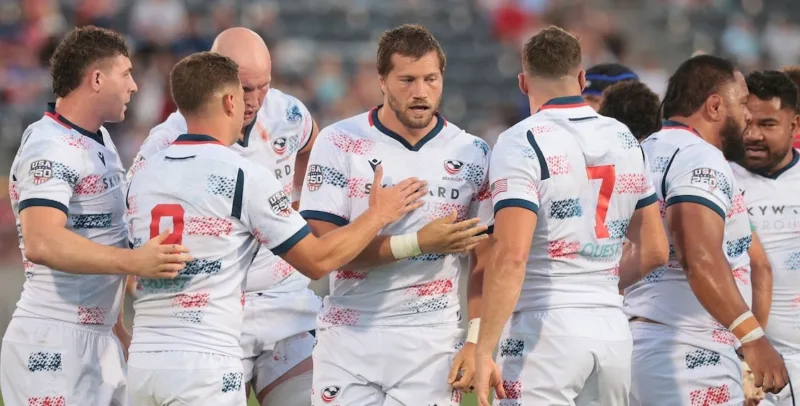
After an intensive 10 day training camp in Brandenton, Florida at the IMG Academy, USA Head Coach and Staff have selected a record four Legion players to take on the Argentina XV this upcoming Saturday, August 15th at the Inter Miami FC Stadium in Fort Lauderdale at 7:30 PM ET.
After opening their opening Nations Cup campaign with 3 wins, this Florida assembly gives USA Coaching staff an opportunity to trial new players and combinations as they look to build depth and player dynamism.
Athletes progressing their USA eligibility or on developmental pathways were invited to camp to integrate into Eagles team systems with the view of being in the selection pool for Rugby World Cup 2027 next Fall.
This opportunity to play a USA XV side against Argentina will test players and systems under pressure in a high level, non-Test match, allowing coaches to give players such as David Coetzer, who will be eligible to play in a USA Jersey in 2027, a chance to play in Eagles line-ups as coaches assess combinations. Also looking to put their name into roster rotation, Oti Pifileti, Ma’ake Muti, Joe Mano, Marno Redelinghuys, Payton Telea-Ilalio, and Tevita Naqali return to the match day 23.
Tickets are on sale here. The match will be live on Paramount+
Scott Lawrence said: “Game time gives players the opportunity to show just how much they’re capable of. No better way than in a challenging fixture against a very talented Argentina XV.”
USA Rugby will return to Florida for the first time in over a decade when they take on Argentina XV. Between 2016 and 2019, the two sides met four times in the Americas Rugby Championship, where two of those four matches ended in draws, with each nation claiming one victory apiece.
Hosted at the Inter Miami FC stadium, this meeting brings rugby back to the South Florida stage, showcasing emerging USA and Argentina players in the build up to Rugby World Cup 2027.
Florida fans can catch the action with tickets available at usa.rugby/tickets. The match will be broadcast nationwide on Paramount+
| Position | Player | Club |
|---|---|---|
| 1 | Payton Telea-Ilalio | Anthem |
| 2 | Shilo Klein | Unattached |
| 3 | Charlie Abel | Chicago Hounds |
| 4 | Jason Damm © | California Legion |
| 5 | Nathan Den Hoedt | Chicago Hounds |
| 6 | Marno Redelinghuys | Seattle Seawolves |
| 7 | Paddy Ryan | Seattle Seawolves |
| 8 | Makeen Alikhan | Anthem |
| 9 | Ruben de Haas | Chicago Hounds |
| 10 | Luke Carty | Anthem |
| 11 | Joe Mano | California Legion |
| 12 | Dominic Besag | St Mary’s University |
| 13 | Tavite Lopeti | Chicago Hounds |
| 14 | Mark O’Keeffe | Chicago Hounds |
| 15 | Julian Roberts | Anthem |
| 16 | Alex Maughan | Anthem |
| 17 | Fakaosifolau Pifeleti | Chicago Hounds |
| 18 | Ma’ake Muti | California Legion |
| 19 | Tevita Naqali | Old Glory DC |
| 20 | Brandon Harvey | Chicago Hounds |
| 21 | Lance Williams | California Legion |
| 22 | Ethan McVeigh | New England Free Jacks |
| 23 | David Coetzer* | Seattle Seawolves |
*Designated for players targeted for Rugby World Cup 2027 selection availability through pathways development or eligibility
https://www.instagram.com/p/Db_7HTRAGTN/
Bertranou Goes Back-to-Back as MLR Back of the Year
Eagles make it three straight to start 2026 Season
Legion duo to start for Eagles against Spain