

Mirage News
Mirage News
Mirage NewsBusiness22 Jul 2026 12:42 pm AESTDate Time
ACIAR
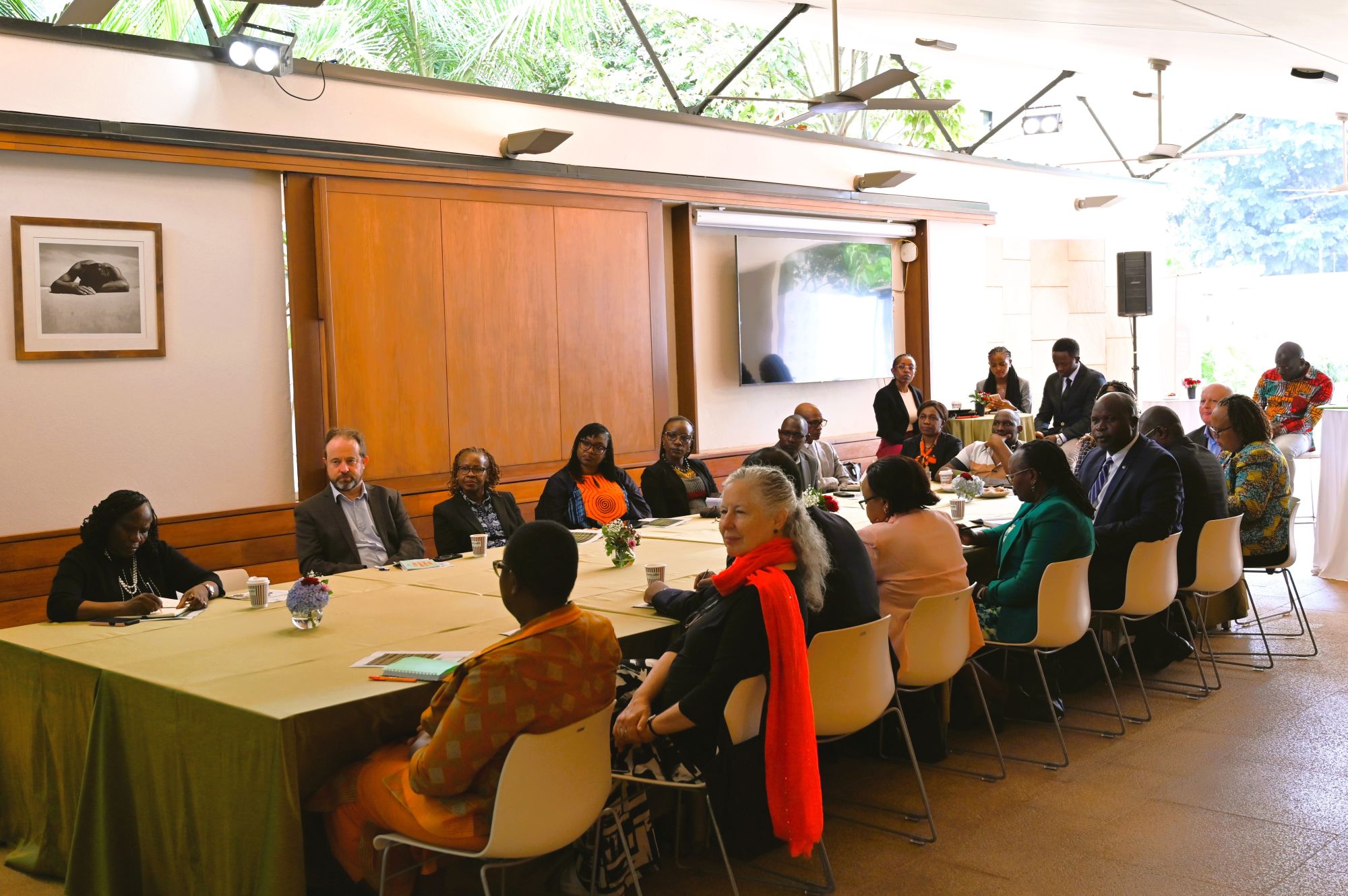
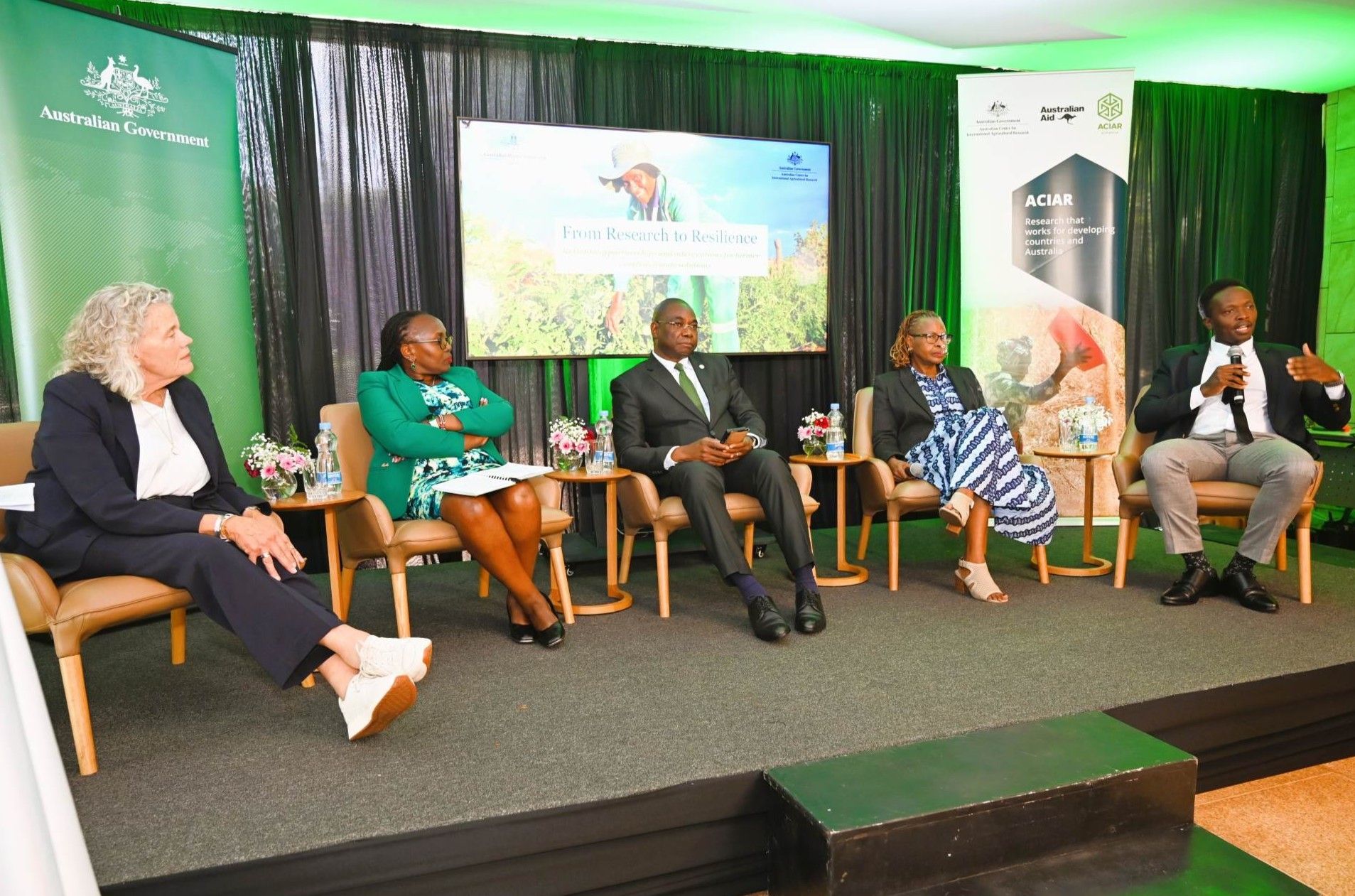
An ACIAR Roundtable stakeholder discussion in Nairobi recently brought together farmers, researchers, entrepreneurs, development partners and funders from Southern and Eastern Africa to present their achievements and interrogate the best way to ensure research moves beyond a successful pilot.
In her opening remarks, Dr Leah Ndungu, ACIAR Regional Manager, Eastern and Southern Africa, posed simple yet far-reaching questions to shape the discussion.
‘How does research change lives?’ she asked. ‘Who is using the evidence? Who is still being left behind? What is preventing promising innovations from scaling? And what must partnerships do differently?’
The resulting discussion revealed the breadth of work underway in ensuring climate solutions are accessible to a maximum number of people, including:
- fast-cooking beans responding to nutritional, fuel and household realities
- water-sensing technologies enabling smarter decisions
- agroforestry approaches integrating trees, crops, and livestock
- work with avocado, macadamia, and coffee farmers, linking production to cooperatives and stronger markets.
Farmer-centred approaches ensure research impact
Dr Alice Murage, Deputy Director General, Crops Research at the Kenya Agricultural and Livestock Research Organisation (KALRO), shared how KALRO’s Kenya Agricultural Observatory Platform is helping farmers prepare for climate shocks. The platform provides farmers with timely weather, planting and market information, enabling them to act before it’s too late.
She highlighted the role national research institutions play in providing a pathway for technology to reach farmers, attract investment and create lasting value.
Dr Abdou Tenkouano, Director General of the International Centre of Insect Physiology and Ecology (icipe), agreed.
‘But no institution has all the answers. Knowledge does not travel in only one direction, and solutions developed in Africa are already addressing challenges elsewhere,’ he said.
‘Additionally, businesses and policymakers should no longer be treated merely as channels for disseminating completed research. They should be co-creators from the outset. Farmers, too, are not simply recipients, as they must have a say.’
Ms Fiona Simson, Chair of Australia’s Commission for International Agricultural Research who was representing ACIAR at the Roundtable during a visit to Kenya, reflected on the power of farmer-to-farmer learning, observed during a Commission visit to Papua New Guinea.
‘Research must be relevant, realistic and grounded. A farmer learning directly from another farmer gains something a technical presentation cannot easily provide: trust,’ said Ms Simson. ‘A fellow farmer can explain what worked, what failed, the cost, and whether the effort was worthwhile.’
Research on Black Soldier Fly (BSF) was one example among many of what this approach can make possible. By turning organic waste into animal feed, this technology is reducing production costs and creating opportunities for farmers and young people.
Inclusion goes beyond proposals
Mr Nicholas Ndekei, founder and CEO of BSF enterprise Zehunger Solutions, spoke candidly as a young entrepreneur who has experienced both inclusion and tokenism.
‘Young people know when they are genuinely involved and when they are present merely to complete a proposal or demonstrate participation,’ said Mr Ndekei.
‘Young people want to be trusted with responsibility. They want their ideas taken seriously. They want room to build, earn and lead.’
Dr Susan Kaaria, Director of the African Women in Agricultural Research and Development (AWARD), urged researchers to involve women as decision-makers who shape interventions, not simply as beneficiaries named in proposals.
‘Women play a significant role across agrifood systems yet continue to face barriers to land ownership, finance, information, mobility, leadership and decision-making,’ said Dr Kaaria.
‘Our interventions must pay attention to the needs, priorities, and realities of women; they must go beyond the low-hanging fruit. An Early Warning System may be available, but are women able to access the information? A market may exist, but do women have the retion may save time, but who can afford it?’
This applies to disability too. Mr Francis Muiruri, a farmer living with a disability, spoke about the difference research had made in his poultry enterprise, while also naming the barriers such as access to genuine inputs, affordable training, markets and supportive policies.
‘Inclusion becomes meaningful when people can speak for themselves, question institutions directly and influence the solutions designed for them,’ said Mr Muiruri.
Other institutions represented at the Roundtable were: the Australian High Commission, the International Development Research Centre (IDRC), Landscape Alliance (formerly known as CIFOR-ICRAF), the Centre for Research and Development in Drylands (CRDD), the Pan-Africa Bean Research Alliance (PABRA), InsectiPro, Harcourt Solutions, the International Crops Research Institute for the Semi-Arid Tropics (ICRISAT), the International Livestock Research Institute (ILRI), the Kenya Forestry Research Institute (KEFRI), the African Agricultural Technology Foundation (AATF), and CGIAR.
/Public Release. This material from the originating organization/author(s) might be of the point-in-time nature, and edited for clarity, style and length. Mirage.News does not take institutional positions or sides, and all views, positions, and conclusions expressed herein are solely those of the author(s).View in full here.
