

[ad_1]
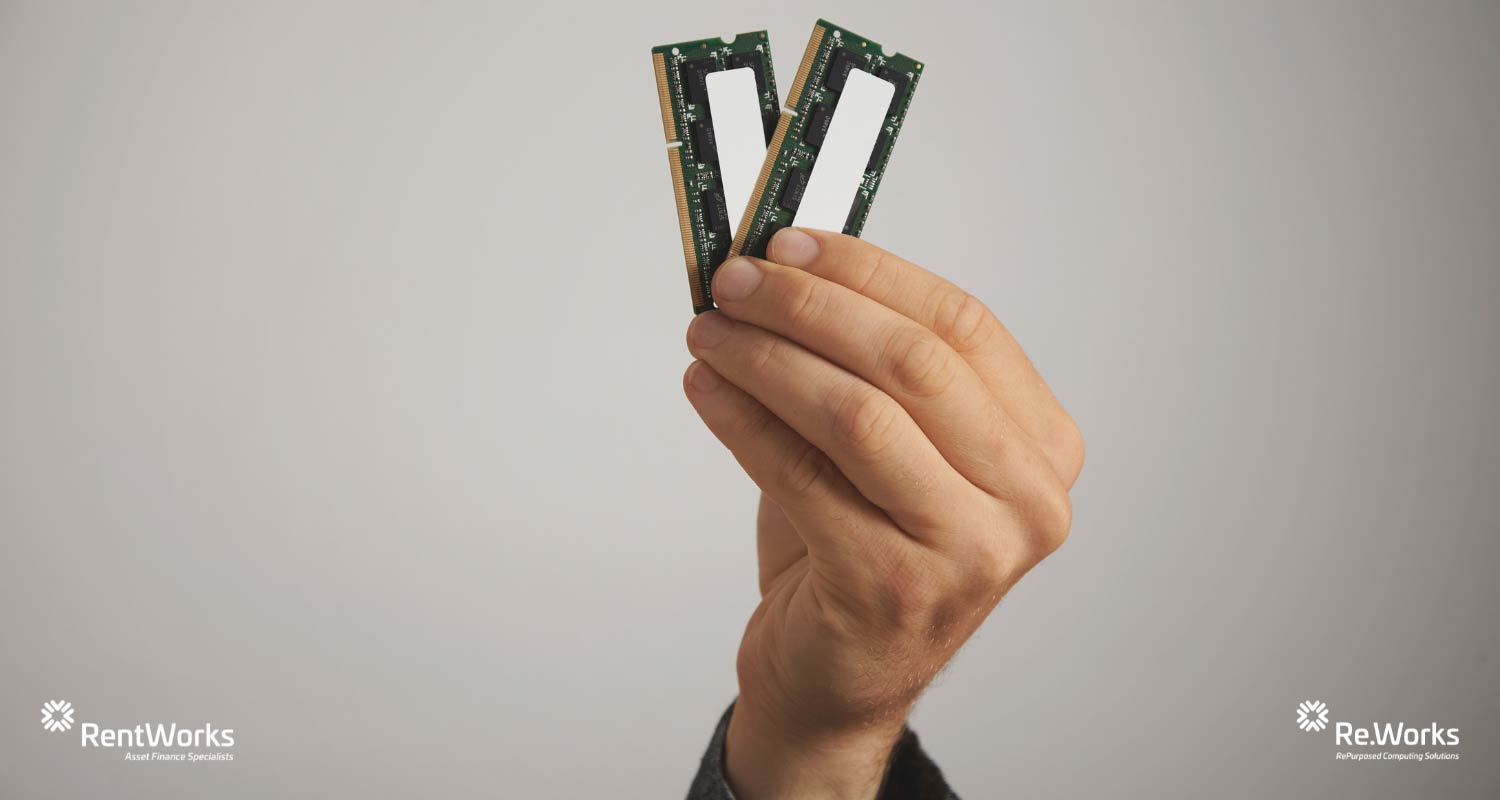
An increasing shortage of memory chips is beginning to reshape the global PC market – not by stopping laptop and desktop production, but by steadily eroding the value businesses receive when they buy new machines.
Industry analysts say tightening supply of DRAM system memory and NAND flash storage is likely to push up component prices and narrow configuration options over the coming months. For buyers, the impact will be less about outright shortages and more about subtle changes to pricing and specifications.
Manufacturers are already adjusting their product strategies in response. Entry-level and midrange business laptops that previously shipped with 16GB of RAM are increasingly being released with 8GB configurations, while solid-state drive capacities are shrinking or becoming expensive add-on upgrades.
The shift is being driven partly by supply dynamics in the global memory industry. Production cuts in recent years, combined with a surge in demand from artificial intelligence and data centre infrastructure, have tightened supply. With only a handful of major manufacturers – including Samsung, SK Hynix and Micron – dominating the market, memory producers are prioritising higher-margin enterprise and AI contracts.
For organisations buying new equipment, the consequences are often hidden in the specification sheet. “When buyers focus only on the sticker price of a laptop, they can miss the real cost implications,” says Hardus Hurter, managing executive RentWorks Africa. “Machines with limited memory or storage may appear affordable upfront, but they tend to age much faster once modern operating systems, collaboration tools and security software are installed.”
Systems with constrained specifications often require earlier replacement, pushing up the total cost of ownership over a three- to four-year lifecycle.
Pressure on specifications and choice
Unlike processors, which are typically secured well in advance, memory components are purchased by manufacturers closer to the final assembly stage. This means price changes in the memory market can flow through to laptop and desktop pricing within a relatively short period.
Rather than raising headline prices immediately, manufacturers often respond by adjusting configurations – shipping devices with less RAM or smaller solid-state drives while keeping the base price unchanged. At the same time, many modern laptops use soldered memory, preventing future upgrades and locking buyers into the original configuration for the life of the device. For IT departments trying to standardise equipment across a fleet, this can create operational challenges.

Rental as a buffer against volatility
One approach gaining traction is shifting away from outright hardware purchases towards rental or managed refresh models. RentWorks Africa specialises in technology asset rental solutions, allowing businesses to deploy laptops, desktops and other IT equipment without committing large amounts of upfront capital. Instead, organisations pay a predictable monthly cost over the lifecycle of the equipment.
Hurter says the model can help organisations navigate volatile component markets. “Rental solutions shift the risk away from the buyer,” he says. “Instead of investing heavily in hardware during a period of price instability, companies can deploy the equipment they need while keeping financial flexibility.”
Refurbished equipment gains relevance
Alongside its rental offering, RentWorks operates Re.Works Africa, a refurbishment business that restores enterprise-grade laptops and desktops. Refurbished systems are typically upgraded during the process with larger SSDs and between 16GB and 32GB of RAM, ensuring they meet the performance requirements of modern business environments.
Because the hardware already exists and can be upgraded independently of current manufacturing cycles, refurbished devices are less exposed to the immediate impact of global memory price fluctuations. “In the current market we’re seeing cases where refurbished enterprise machines offer higher specifications than some newly manufactured entry-level devices,” Hurter says. “That changes the value equation for buyers.”
Enterprise-grade refurbished systems also tend to support future upgrades, offering greater flexibility than many modern laptops with soldered components.

Availability and deployment speed
Memory shortages do not stop factories from producing computers, but they can affect which configurations are readily available. Custom builds may take longer to fulfil as manufacturers balance limited component supply across different product lines. Standard configurations typically receive priority, which can reduce choice for corporate buyers.
Refurbished equipment offers a different dynamic. Although inventory is finite, systems are immediately available and can be deployed quickly once prepared and tested. For organisations facing tight rollout deadlines, that certainty can be valuable.
Managing the long-term cost of IT
With memory prices expected to remain volatile for some time, the biggest risk for many organisations may not be availability but ending up with under-specified hardware that becomes obsolete sooner than expected.
Strategies such as rental models, refurbishment programmes and proactive specification planning can help organisations manage this risk. “Technology decisions today have to balance performance, cost and supply-chain uncertainty,” Hurter says. “The goal is not just buying a new machine – it’s making sure the equipment will remain productive and cost-effective throughout its lifecycle.”
[ad_2]
Source link
