

You have a preview view of this article while we are checking your access. When we have confirmed access, the full article content will load.
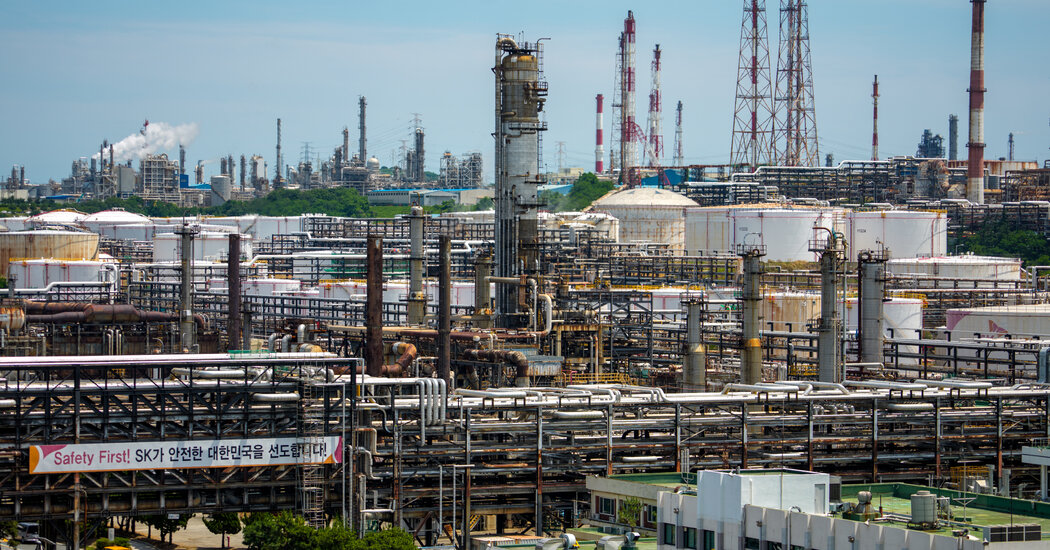
The faint smell of gas hangs over a laboratory at South Korea’s biggest refinery, where chemical analysts are working overtime trying to find ways to wean the sprawling facility off crude oil from the Persian Gulf
South Korea has long been a top global exporter of jet fuel, but the conflict in the Middle East is forcing its oil refineries to rethink how they do business
The vast labyrinth in the southern port city of Ulsan relies on Middle Eastern oil, which is around 60 percent of South Korea’s crude imports. Its flow was cut off when the U.S.-Israeli war on Iran led to the blockage of the Strait of Hormuz, delivering what refinery officials called the most severe supply shock in its history
South Korea tried to make up for the reduction in supply by increasing crude imports from the United States, Canada, Venezuela and Brazil. But the oil from these s to be tested to make sure it would not damage the refinery and would also be profitable
Video
“We are continually testing unfamiliar types of crude,” said Donghyun Kim, a technician whose team has recently logged overtime hours at the Ulsan refinery. “Since the war, my team members have been struggling a bit.”
Thank you for your patience while we verify access. If you are in Reader mode please exit and log into your Times account, or subscribe for all of The Times
Thank you for your patience while we verify access
Already a subscriber? Log in
Want all of The Times? Subscribe
Related Content
SKIP ADVERTISEMENT

