

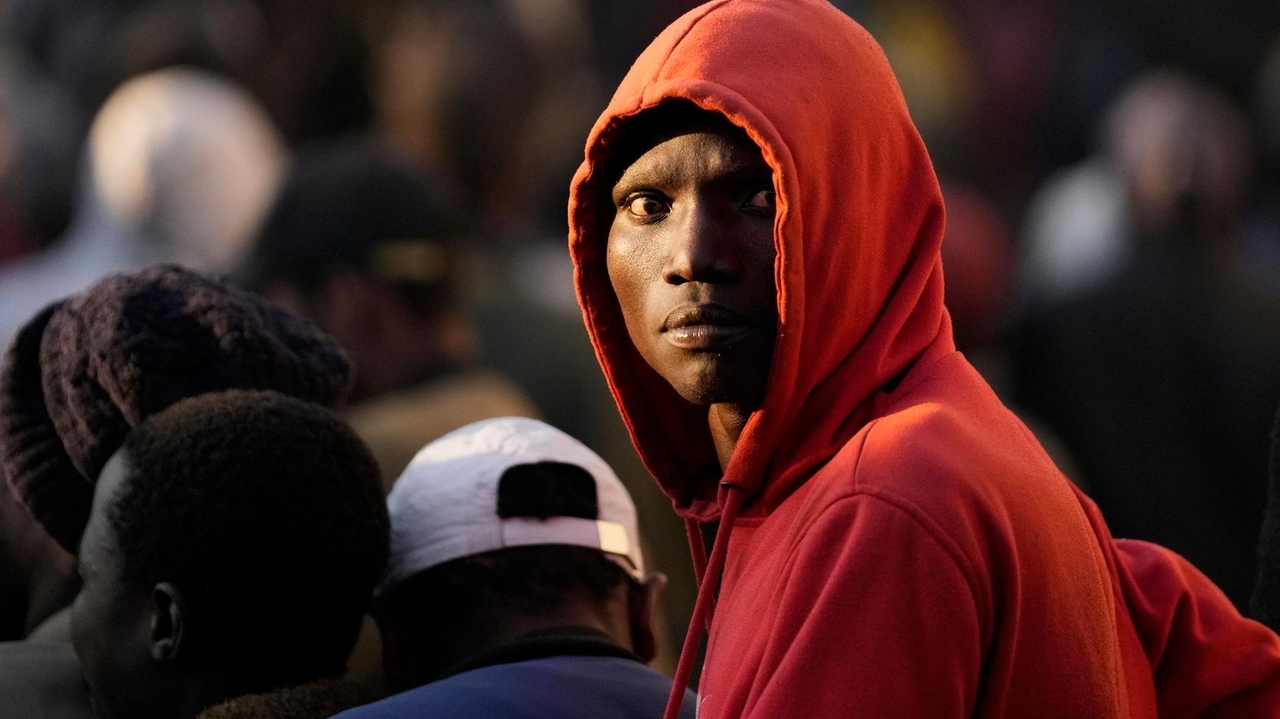
South Africa Faces Growing Anti-Immigrant Sentiment as Migrants Depart
Thousands gathered across South Africa on Tuesday for the largest demonstrations against illegal migration since the outbreak of anti-migrant violence in 2008, which resulted in over 60 fatalities. Many immigrants, primarily from Zimbabwe and Malawi, are leaving the country amid escalating anti-migrant sentiment that has fueled attacks on foreigners.
These attacks have occurred concurrently with a series of protests and marches by anti-immigration groups in recent months. These groups designated Tuesday as a “deadline” for individuals residing in the country illegally to depart, marking the first instance of an anti-immigrant organization setting such a ultimatum. They are urging the government to address what they perceive as a escalating issue of illegal immigration within Africa’s largest economy. The groups have also threatened a “national shutdown” if their demands are not met.
South African authorities were on high alert Tuesday, with law enforcement deployed to areas identified as potential sites for violence against undocumented individuals. Thousands of immigrants are currently transiting from South Africa to Zimbabwe via the Beitbridge border post, which is experiencing a significant surge in traffic.
Several nations, including Malawi, Nigeria, Ghana, and Zimbabwe, have begun repatriating their citizens, while also voicing criticism of South Africa for what they describe as a climate of xenophobia. A series of anti-immigration protests have taken place.
Anti-immigration demonstrations in several major cities have propelled the issue to the forefront of national political discourse since March. Protest groups have, without providing evidence, attributed South Africa’s high unemployment, public service deficiencies, and crime rates to immigrants.
South African President Cyril Ramaphosa met with leaders of some planned rallies on Monday evening. He affirmed their right to protest but stressed the importance of peaceful demonstrations. He stated that some protest groups are exploiting the issue for their own political gain and that “illegal immigration is not the cause of our social and economic difficulties.” However, Ramaphosa also acknowledged shortcomings in South Africa’s border control.
As one of Africa’s more prosperous nations, South Africa has historically attracted migrants from across the continent seeking improved living conditions. The most recent census data from 2022 indicates that 2.4 million foreign nationals had immigrated, representing less than 4% of South Africa’s population of 62 million. Critics of the government contend that these figures do not account for numerous individuals residing in South Africa without proper documentation.
South Africa is intensifying its efforts to control immigration. While immigration has become an increasingly divisive issue in the United States and Europe, Africa’s leading economy is also grappling with the matter. In the past two years, South African authorities have deported over 100,000 individuals deemed to be in the country illegally, according to the home affairs ministry. Additionally, approximately 500,000 others were intercepted at borders attempting to enter without documentation. These figures bolster the claims made by anti-immigration groups regarding the scale of the problem.
South Africa has a history of anti-immigrant violence. The nation has experienced xenophobic violence, with migrants from less affluent countries such as Zimbabwe, Mozambique, and Malawi often settling in impoverished communities within South Africa where unemployment and frustration are high. A spokesperson for U.N. Secretary-General Antonio Guterres expressed the U.N. chief’s “deep concern over reports of xenophobic attacks and acts of harassment and intimidation against migrants and foreign nationals in parts of South Africa.” In 2008, a wave of anti-immigrant violence originating in Johannesburg resulted in the deaths of over 60 people, including both South Africans and foreign nationals. Sporadic incidents of violence against immigrants have occurred since then.
The current tensions have drawn strong condemnation of South Africa from several African nations, including Nigeria, Ghana, and Mozambique, who report that their citizens are being targeted.
Migrants report leaving due to fear. Thousands of migrants have departed South Africa as tensions escalate ahead of the June 30 deadline set by protest groups. Nigeria and Ghana have repatriated nearly 2,000 individuals on government-sponsored flights, citing safety concerns, and have indicated that further evacuations will occur. Zimbabwe and Mozambique have also repatriated smaller numbers of their citizens. More than 8,000 Malawian nationals have left the country via buses provided by the Malawian government or private sponsors, with others congregating in Durban as they seek to depart. South African authorities stated they assisted in facilitating the repatriation of Malawian citizens, while also formally deporting many for lacking the necessary documentation to reside in South Africa.
