

Anita McKenzie grew up navigating two different cultures.
‘I’m <a href="https://absafricatv.com/tata-nexon-will-be-launched-in-south-africa-as-the-osprey-introduction/” title=”Tata Nexon will be launched in South Africa as the Osprey – Introduction”>African and Indian,’ the photographer and archivist says. ‘Both my parents were from Jamaica. My mother was Indian, and my father was African Caribbean.’
Anita herself was born in Camberwell, south-east London in 1958, after her parents migrated to the UK in the 1950s. As a photographer, Anita has worked to highlight the experiences of Indo-Caribbean people in the UK. This is her story, shared and recorded as part of the Indo-Caribbean Windrush Oral History Project.
Arriving in Britain
Anita’s mother’s grandfather arrived in Jamaica from India in the mid-nineteenth century as an indentured labourer, while her father’s ancestors arrived as enslaved Africans from West Africa.
Anita’s mother, Pearline Brown, met her future husband through friends in Jamaica. There was disapproval from Anita’s Indian family members about the match, including from her grandfather, who according to Anita was so ‘anti-Black’.
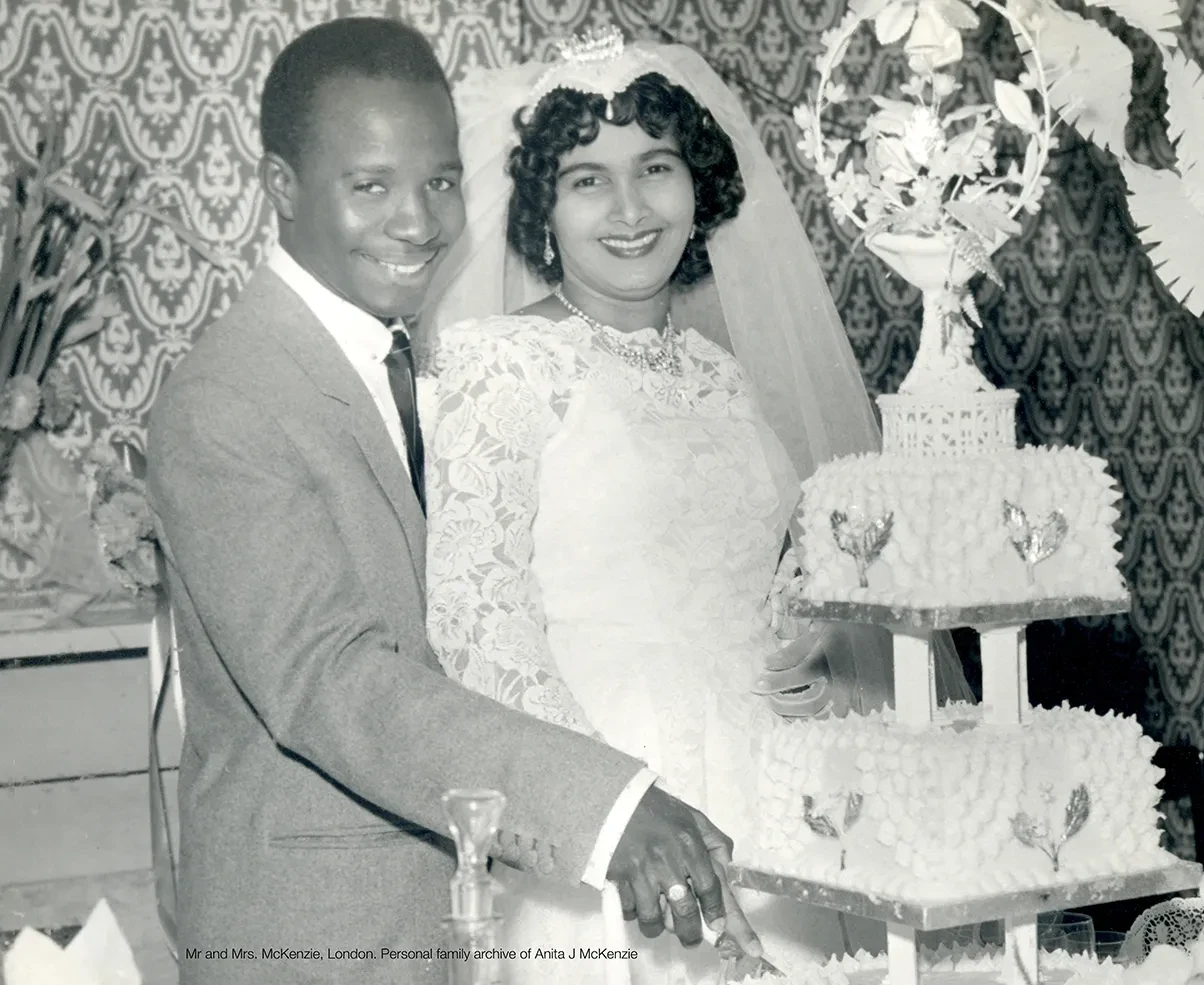
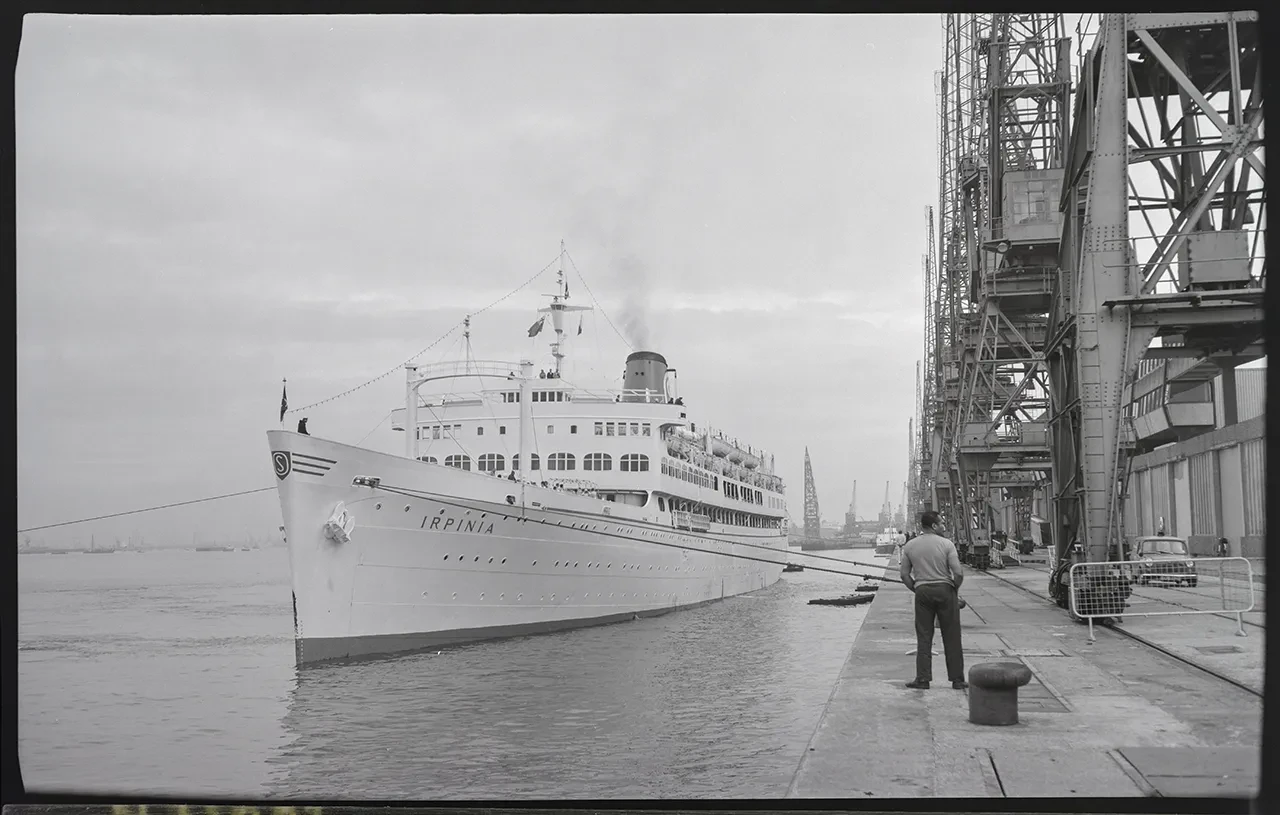
Due to the stigma among Indo-Jamaicans of marrying a Black man, Pearline and her future husband both decided in the 1950s to migrate to the UK. Pearline arrived on the Irpinia, one of the ships that brought immigrants from Jamaica to UK ports including Tilbury and Southampton. After arriving in England, both her parents worked as nurses – a common occupation among Windrush immigrants, many of whom worked for the National Health Service.
After taking a DNA test, Anita learned that she was 49 per cent African and 51 per cent Indian, ‘which was a shock, because with a family name like McKenzie on my father’s side I felt absolutely convinced that there must be some European part of my identity as well.’ She assumes that her Scottish last name is likely part of the legacy of enslavement in her family: many enslavers in the Caribbean were of Scottish heritage, and enslaved African people often had to take their enslavers’ surnames.
Navigating childhood
Anita was born in 1958 and raised in south-east London by her Indo-Caribbean mother.
Anita recalls facing internalised racism from some Indo-Caribbeans in her community, who would use racial slurs to describe her Black father. Growing up, she explains, ‘because of colourism, I was more accepted by Black people than I was by other Asians, although there weren’t a lot of [South] Asians in my secondary school in London anyway, and I certainly wouldn’t have gravitated to that.’
But the prejudice wasn’t one-sided: she also remembers her African Caribbean classmates using offensive slurs to describe her because of her family’s connection to Indian indenture. ‘So I was being identified [by some African Caribbean people] as Indian, even though I didn’t feel that I was Indian,’ she recalls. ‘I didn’t feel I had the right to claim my Indian identity, because I look more African than Indian.’
This content is hosted by a third party
Please allow all cookies to watch the video.
This tension between both of her identities was a central element of her upbringing. ‘I went home to an Indo-Caribbean household, and outside I was African Caribbean,’ she recalls, noting that it is still easier for her to enter African Caribbean spaces because she is outwardly perceived as Black, but more difficult to enter Indo-Caribbean spaces because ‘there are not many people that look like me, and I’m very, very aware of that.’
Exploring identity
Later in life, Anita began going to Hindu temples and taking Hindi classes to reconnect with her Indian heritage.
‘I went to India for the first time on my own,’ she says, ‘and when people asked me who I was, I said I was Indian. I was really terrified to say it, but to my surprise people were very embracing and accepting of that. I was shocked, I have to tell you, I was really shocked.’ It felt like validation after decades of being denied the right to claim her Indian identity.
Despite her parents’ arrival in England in the 1950s and their nursing jobs, Anita recalls being relatively unaware of her parents’ association with what is sometimes referred to as the ‘Windrush’ generation until ‘people started talking about Windrush’ following the 2018 Windrush scandal. Even today, when discussing Windrush experiences, Anita believes that people primarily ‘picture African Caribbean people, most definitely. It’s only in the last few years, the last 10 years, that it might be changing in some places.’
This content is hosted by a third party
Please allow all cookies to watch the video.
The reason, Anita suggests, is that the history is still primarily ‘told through the Jamaican frame’. Many of the migrants who arrived on the vessel Empire Windrushwere African Caribbean people from Jamaica, but there were in fact multiple ships travelling between the Caribbean and the UK during the 1950s, carrying passengers of many different backgrounds. The discourse around the Windrush generation therefore ‘needs to become more accurate and inclusive’ Anita says, and reflect a growing awareness of Indo-Caribbean experiences within the broader story of British migration.
Anita’s story is part of the legacy of Windrush, and she is optimistic that public knowledge around the diversity of Windrush migrants can grow over time: ‘I think there needs to be a broader understanding on multiple levels of post-war history, the contributions of African and Asian people to [Britain],’ she says. I think that is happening, but it’s happening too slowly, because I just get fed up with having to explain things to people […] because a lot of people don’t go off and study these things unless it becomes important to them in some way. And then there are people [who are] just not interested.’
Image
© Anita McKenzie. Assistant: C. E. D’angleo
Self portrait of Anita McKenzie, photographed wearing a garment superimposed with photographs of her father and mother. Part of the African Masala series.
Archives and photographs
Anita has been a professional photographer since the 1980s, when she became involved with Black arts movements in London that included people of both African and Asian heritage. Through powerful visuals, she found she could challenge assumptions around race and identity.
‘People have stereotypes in their mind about how to identify people, or what people should look like and shouldn’t look like, and that’s certainly been one of the things that I’ve always interrogated in a lot of my photographic work,’ she says.
To spread awareness and understanding of Afro-Asian stories, in 1996 Anita founded the McKenzie Heritage Picture Archive, a photo licensing agency that offered publishers and broadcasters images of ‘African, Asian, and Caribbean people, cultures and communities’. The photos are currently housed at the Black Cultural Archives.
This content is hosted by a third party
Please allow all cookies to watch the video.
Anita has spearheaded a variety of other projects, including the African Masala exhibition that showcases African Caribbean and Indo-Caribbean mixed heritage identity. She is currently researching people of both African and Asian heritage, interviewing them about their experiences of growing up mixed heritage.
Ultimately, Anita hopes to bridge the gap between African and Asian identities, and spotlight the beauty and vibrancy of mixed heritage. As the daughter of Windrush immigrants of African and Indian heritage, this mission is especially important as the Windrush era continues to be memorialised in public events, discussions and academic research.
‘I’ve lived long enough to see how Windrush identity has evolved and is now changing,’ she says. ‘I’m thinking about the lived experience of the people that came here, especially in the ’50s, because so many of them are dying now and I feel really grateful that I had them as my Elders.
‘It just feels so precious, it really does, seeing the things that they brought with them: the can-do attitude, the making something out of nothing.’
This article is part of a series highlighting oral histories recorded as part of theIndo-Caribbean Windrush Oral History Project. The project aims to document and preserve the life stories of Indo-Caribbeans who migrated to the UK during and after the Windrush era (1948-1971). Project directorMeena Venkataramananco-founded the project with research director Jeevan Kaur Sanghera.
Find more stories you might like
Windrush histories: memories of moving to the UK
Shirley Fox shares her memories of moving to the UK, in a special oral history marking 75 years since the Empire Windrush’s arrival in Britain
Oral histories
From memories of maritime life to personal stories of love, loss, triumph and disaster, the oral history collections at Royal Museums Greenwich enrich our understanding of the sea and our connections to it
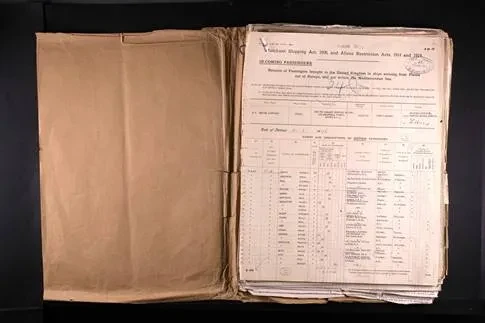
Windrush passenger lists in the National Maritime Museum collection
At the end of the Second World War Britain was busy rebuilding a nation that was shattered by the war. The British government recruited workers from the Caribbean to cope with the shortage of labour in some British industries.
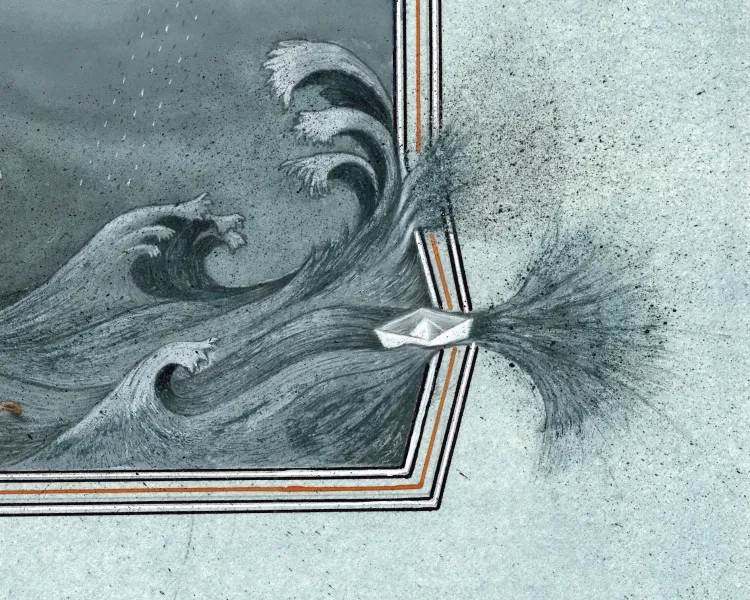
Migration and art: introducing the new Queen’s House display ‘Crossings’
As a new collection of artworks reflecting on migrant experiences opens at the Queen’s House, curator Tim May explores the role of physical and invisible borders in the story of migration
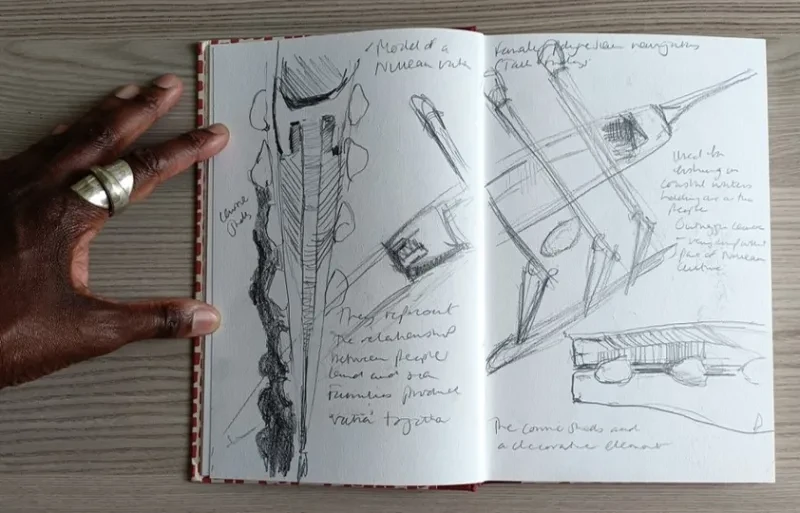
‘The whole world is here, but not all our stories are visible’: exploring the collections with Remiiya Badru
My Creative Research Fellowship aimed to explore the collections from new perspectives and to engage with audiences in different ways.
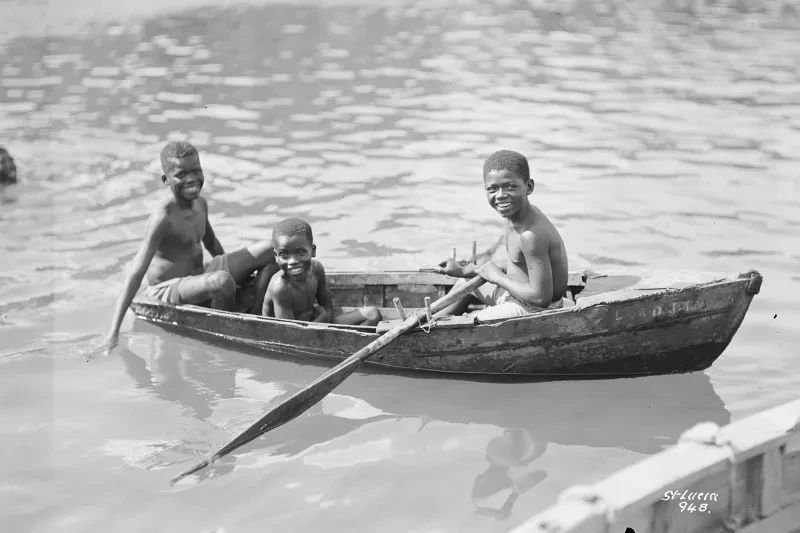
Memories of the Caribbean: supporting people living with dementia
Explore reminiscence rer carers
Research and collections
Explore Royal Museums Greenwich collections online, get expert help at the Caird Library, or come behind the scenes at our state-of-the-art conservation and collections centre
Explore now
