


Ending commercial exploitation of wild animals in travel & tourism
Wildlife
Would a real responsible traveller have captive wildlife entertainment on their wish list?
Demand for responsible holidays is rising
There is an ever-growing demand for responsible travel, with travellers seeking more sustainable ways to holiday, but animal welfare is a missing piece
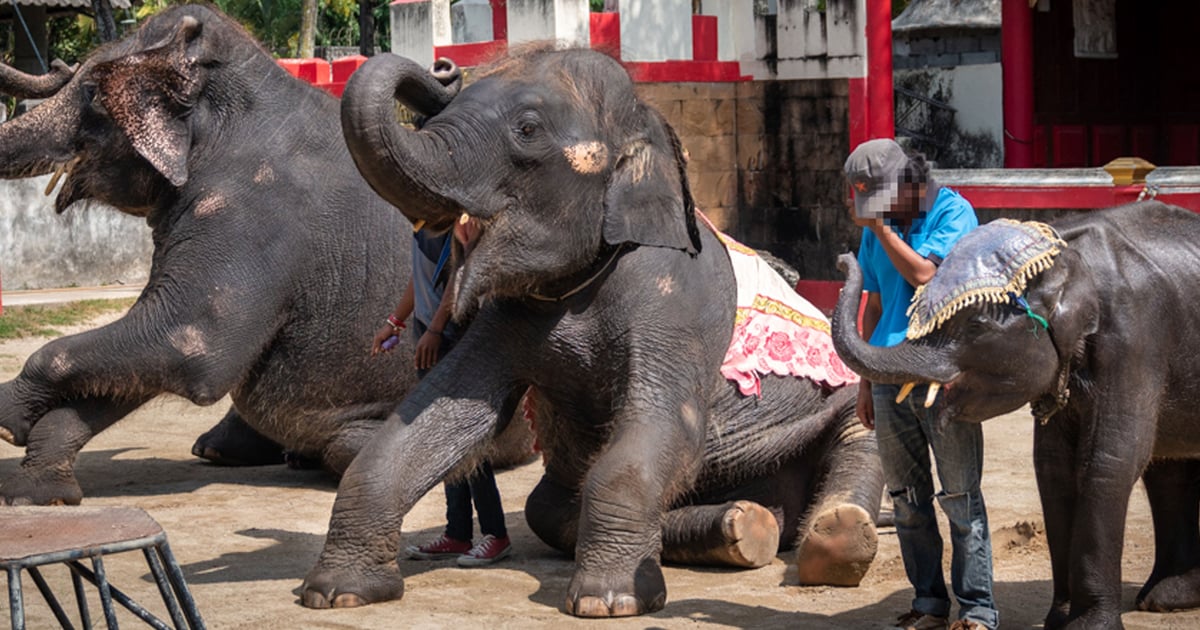
Hundreds of thousands of wild animals are being exploited worldwide for tourist entertainment, resulting in a cycle of never-ending suffering. The suffering is often invisible, cleverly hidden by venues and associated travel companies who put profits first
Luckily, travellers are waking up to the dark reality behind wild animal encounters, such as elephant rides and captive dolphin entertainment venues, and demanding wildlife-friendly alternatives and truly responsible holidays. Therefore, travel companies who continue to exploit wildlife for profit have a risky and unsustainable future
Responsible travel policy within the travel industry
Responsible travel policies help ensure that the travel industry meets commitments to protect animals worldwide and offer meaningful customer experiences
Wild animals have the right to a wild life. They should be seen in the wild, thriving in their natural habitat. If not possible any wildlife encounter at travel destinations must take place where animal welfare is prioritised over entertainment
Discover our campaigns in the area of travel and tourism:
An Example of Animal Welfare Policy
We collaborated with Scandinal Group), to develop a comprehensive policy to protect animal welfare
As part of the policy, Spies will be guiding their traveller to help them to avoid stumbling into unethical offerings on holiday – such as petting lions and tigers, taking selfies with wildlife, or paying to see performing monkeys and bears
It is extremely important that the major travel providers take the lead and insist on being part of the solution and the change. – Spies (Nordic Leisure Travel Group)
An Example of Responsible and Protective Wildlife Tourism
World Animal Protection and World Cetacean Alliance are developing the Whale Heritage Sites (WHS) programme that accredits destinations worldwide that support and celebrate cetaceans and their ocean habitats
As a result, responsible tourists and travel companies can confidently choose authentic wildlife-friendly tourism experiences
How you can be a responsible tourist
Travelling responsibly means never including cruel, captive wildlife entertainment on your itinerary and never booking your holiday with travel companies that are failing to address animal welfare issues and continue to profit from wild animal suffering
As a responsible tourist, you have the power to take action against travel companies failing animals with their offerings. Animals are not commodities; calling out the operators treating them as such can change lives
350,000 of our supporters campaigned tirelessly for Expedia Group to end the sale and promotion of captive dolphin venues and succeeded. TripAdvisor and Virgin Holidays stopped marketing these cruel attractions in 2019
Together, we can drive down tourist demand for exploitative wildlife experiences and ensure more companies publicly commit to becoming wildlife friendly
Responsible Travel FAQs
Responsible travel definition
Responsible travel uses sustainable transport, supports local residents’ livelihoods and communities, conserves our environment, and protects animal welfare
Why is responsible tourism important?
Responsible tourism has the power to minimise the damaging environmental, social, and economic impacts of global tourism
Being a responsible tourist can support local communities and conservation while protecting wild animals’ lives
Can ecotourism help save the ocean?
Ecotourism at destinations such as World Heritage Sites helps raise awareness of the importance of protecting the ocean and critical habitats
In addition, they help to develop links with research facilities and build the support needed to conserve cetaceans for future generations
How responsible tourism can benefit communities
Responsible tourism helps to drive economic benefits for local people. In addition, sustainable tourism helps contribute positively to the conservation of natural and cultural heritage. It can also empower local communities to care for their wildlife through cooperative management partnerships
Header image credit: Amy Jones / Moving Animals. Skeletal baby elephant named Dumbo forced to perform for tourists at Phuket Zoo, Thailand. Despite campaigning, he died after his back legs snapped beneath him

