Close Menu
    Facebook X (Twitter) Instagram
    • Home
    • Contact Us
    • About Us
    • Privacy Policy
    • Terms Of Service
    • Advertisement
    Monday, July 13
    Facebook X (Twitter) Instagram Pinterest Vimeo
    ABS Africa TV
    • Breaking News
    • Trending
    • Africa News
    • World News
    • Features
    • Technology
    • More
      • Sports
      • Politics
      • Culture
      • Lifestyle
      • Travel
      • Business
      • Environment
      • Legal
      • Health
      • Cameroon
      • Ambazonia
      • AfroSingles
      • Environ/Climate
      • Editorial
      • The Leak Magazine
    • Donate
    Subscription
    ABS Africa TV
    Home»Trending»Rainfall, temperature, vegetation key drivers of malaria in sub
    Trending

    Rainfall, temperature, vegetation key drivers of malaria in sub

    Anjianjei ConstantineBy Anjianjei ConstantineJuly 8, 2026No Comments3 Mins Read
    Facebook Twitter Pinterest LinkedIn Tumblr Email
    Rainfall, temperature, vegetation key drivers of malaria in sub
    Share
    Facebook Twitter LinkedIn Pinterest Email
    Post Views: 48

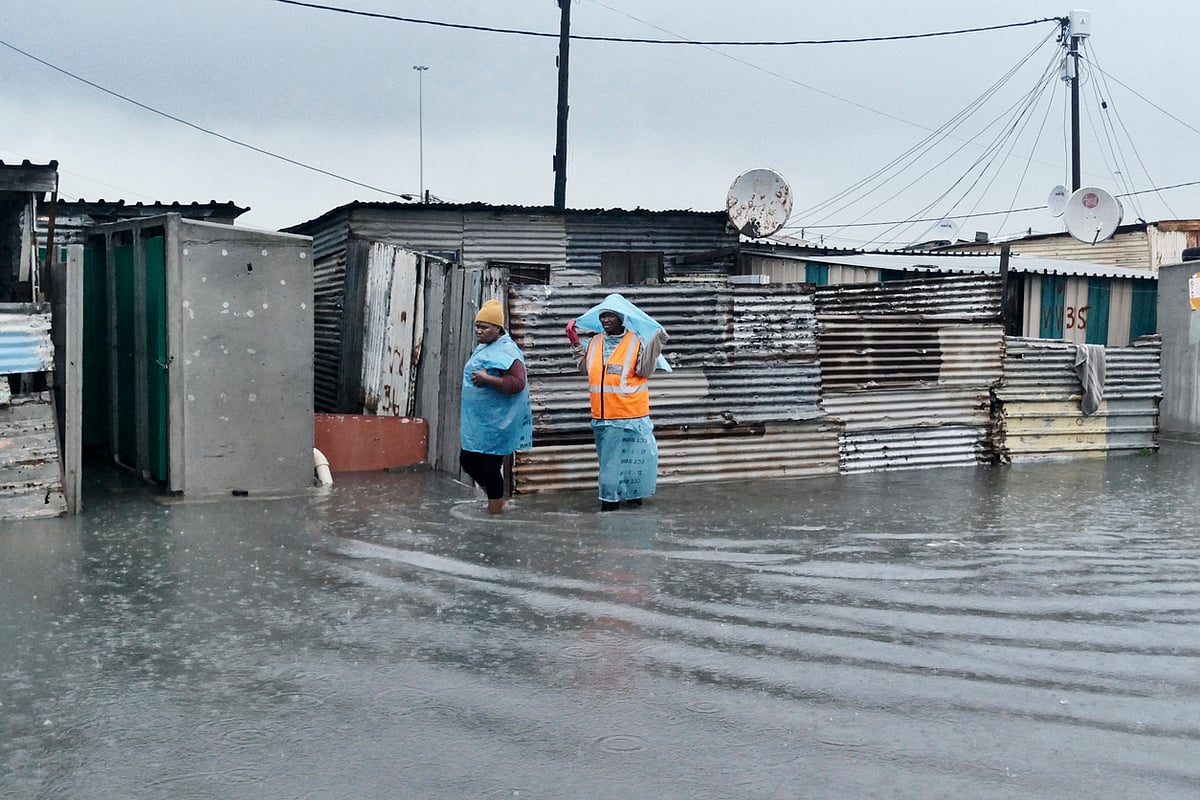
    Photo for representation. iStock

    • Rainfall, temperature and vegetation greenness are key but nonlinear, delayed drivers of malaria across 20 Sub-Saharan world-cup/” title=”Morocco set a proud example for Africa as France await at World Cup”>African nations

    • The findings were published in a multi-country study that linked 2,400 monthly observations of malaria incidence with climate, population density and elevation

    • Moderate rain, optimal temperatures and greener landscapes were found to boost mosquito survival and transmission risk

    A new study published in the journal Nature Scientific Reports found that rainfall, temperature and vegetation significantly influence malaria transmission across Sub-Saharan Africa. 

    These climatic influences are not straightforward; their effects are both nonlinear and delayed, meaning that changes in weather conditions may affect malaria risk weeks or even months later, the findings showed

    The researchers underlined the importance of integrating climate information into malaria surveillance and early warning systems

    They analysed monthly malaria data from 20 countries in West, East, Central and Southern Africa between January 2015 and December 2024. The countries included Benin, Botswana, Burkina Faso, Cameroon, Ethiopia, Ghana, Kenya, Liberia, Malawi, Mali, Mozambique, Namibia, Niger, Nigeria, Rwanda, Senegal, Sierra Leone, Tanzania, Uganda and Zambia. 

    The focus was sub-Saharan Africa because the region carries the vast majority of the world’s malaria burden. According to the World Health Organization, an estimated 282 million malaria cases and 610,000 malaria deaths occurred globally in 2024. About 95 per cent of both malaria cases (265 million) and deaths (579,000) were reported from the WHO African Region, where children under five accounted for about 75 per cent of malaria deaths

    The analysts examined 2,400 monthly observations, making the study one of the largest multi-country assessments of climate-sensitive malaria transmission conducted in the region

    Monthly malaria incidence per 1,000 people was noted in relation to rainfall, near-surface air temperature and vegetation greenness. In addition to climatic variables, the researchers included population density and elevation to account for demographic and geographical influences on disease transmission. 

    The findings showed malaria does not increase or decrease uniformly with climatic changes. Moderate rainfall creates favourable breeding conditions for mosquitoes, whereas excessive rainfall can wash away larvae and reduce transmission. 

    Similarly, temperatures within an optimal range accelerate mosquito growth and parasite development, but extremely high temperatures become less favourable for transmission

    Vegetation also remained a strong predictor of malaria because it reflects moisture and habitat conditions that support mosquito survival

    According to the study, population density was positively associated with malaria incidence, suggesting that densely populated areas increase opportunities for mosquito-human contact. In contrast, higher altitudes showed lower malaria risk because cooler temperatures restrict mosquito development

    The scientists also identified important delayed climate effects. Changes in rainfall and temperature influenced malaria incidence several weeks or months later, reflecting the time required for mosquito breeding and parasite development

    The study concluded that integrating climate data into malaria early warning systems could help health authorities better target interventions such as insecticide-treated net distribution, indoor spraying and case management, particularly in vulnerable lowland communities facing increasing climate-related risks

    drivers malaria Rainfall Temperature Vegetation
    Share. Facebook Twitter Pinterest LinkedIn Tumblr Email
    Anjianjei Constantine
    • Website

    Related Posts

    ‘Poised to enjoy the view from top’: Hina Nagarajan announces career transition

    July 10, 2026

    Stolen From the Starving: How Cameroon’s Government Turned Humanitarian Rice Into a Political Racket

    July 9, 2026

    One in 14 women in low, middle income countries affected by early menopause: Study

    July 9, 2026
    Leave A Reply Cancel Reply

    Search
    Latest Post

    Human rights abuse allegations double at Africa’s transition mineral mines

    July 10, 2026

    Mastercard Launches Priceless Africa on Priceless.com, Unlocking a Curated Travel Experience Across Nine Iconic Destinations

    July 10, 2026

    South Africa Teams Up with Botswana, Kenya, Ghana and More African Countries to Attend Africa Tourism Leadership Forum 2026 from 2 to 4 September 2026

    July 10, 2026

    Desert rain frogs threatened with extinction in southern Africa

    July 10, 2026

    Stock exchange filing reveals how Nigeria’s airtime credit disruption is redirecting investment to other African markets

    July 10, 2026

    Subscribe to Updates

    Get the latest creative news from FooBar about art, design and business.

    • Facebook
    • Twitter
    • Pinterest
    • Instagram
    • YouTube
    • TikTok
    ABS TV and ABS Network News is a leading Pan-African 24/7 broadcasting network delivering nonstop news, talk shows, lifestyle programs, and digital media content worldwide through Satellite, Streaming Platforms, and Roku TV.
     
    Based in the United States, we connect Africa to the world while empowering creators, journalists, and brands through innovative media and broadcasting services.
    Facebook X (Twitter) Pinterest WhatsApp Instagram

    Our Picks

    Environment

    Human rights abuse allegations double at Africa’s transition mineral mines

    Travel

    Mastercard Launches Priceless Africa on Priceless.com, Unlocking a Curated Travel Experience Across Nine Iconic Destinations

    Travel

    South Africa Teams Up with Botswana, Kenya, Ghana and More African Countries to Attend Africa Tourism Leadership Forum 2026 from 2 to 4 September 2026

    Most Popular

    Environment

    Desert rain frogs threatened with extinction in southern Africa

    Business

    Stock exchange filing reveals how Nigeria’s airtime credit disruption is redirecting investment to other African markets

    Health

    South Africa Warns Against Recalled Diabetes and Weight-Loss Drugs | Law

    © 2026 Copyright. All Rights Reserved by ABSAFRICATV
    • Privacy Policy
    • Terms of Services

    Type above and press Enter to search. Press Esc to cancel.

    We use cookies to ensure that we give you the best experience on our website. If you continue to use this site we will assume that you are happy with it.