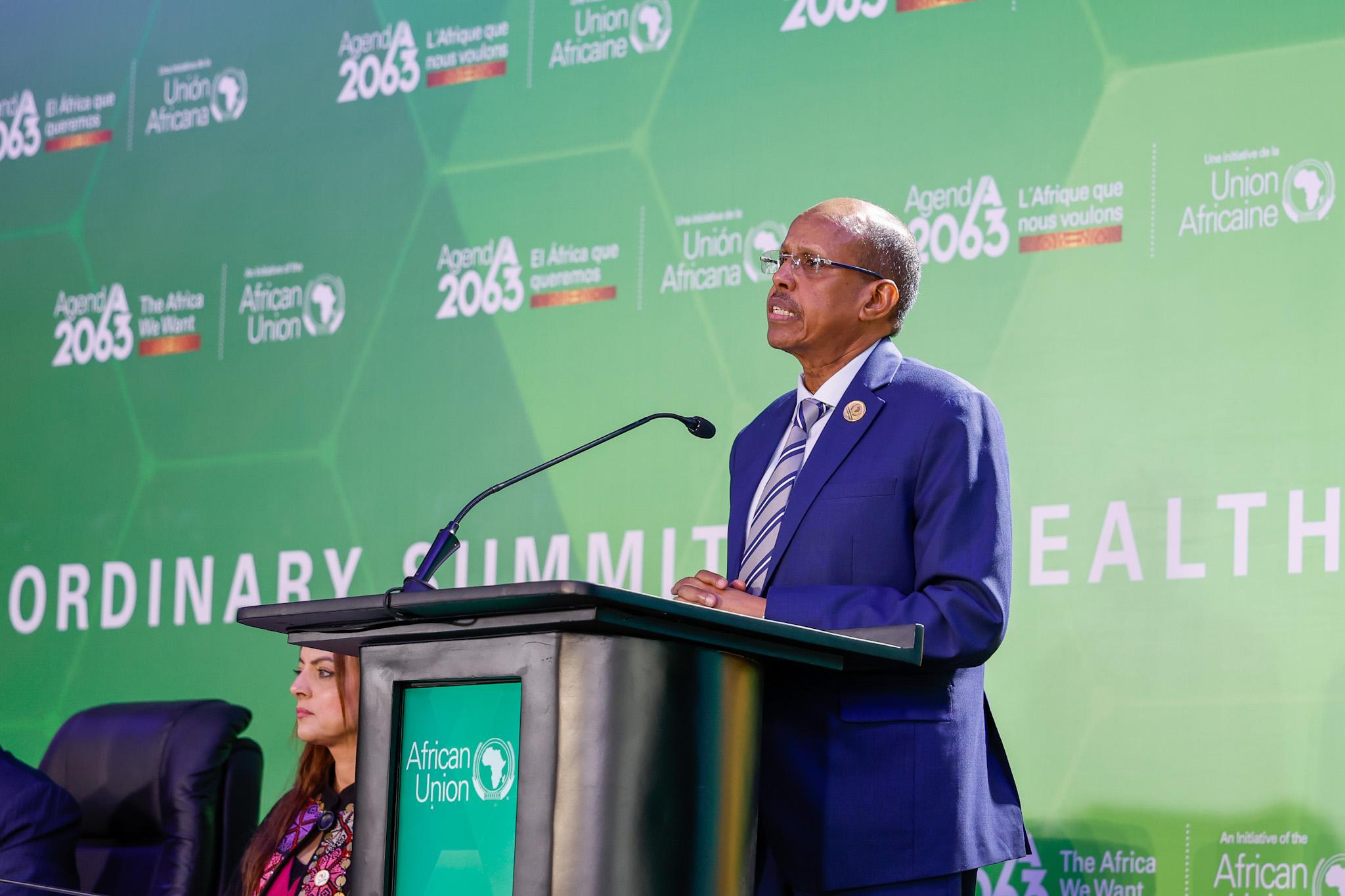
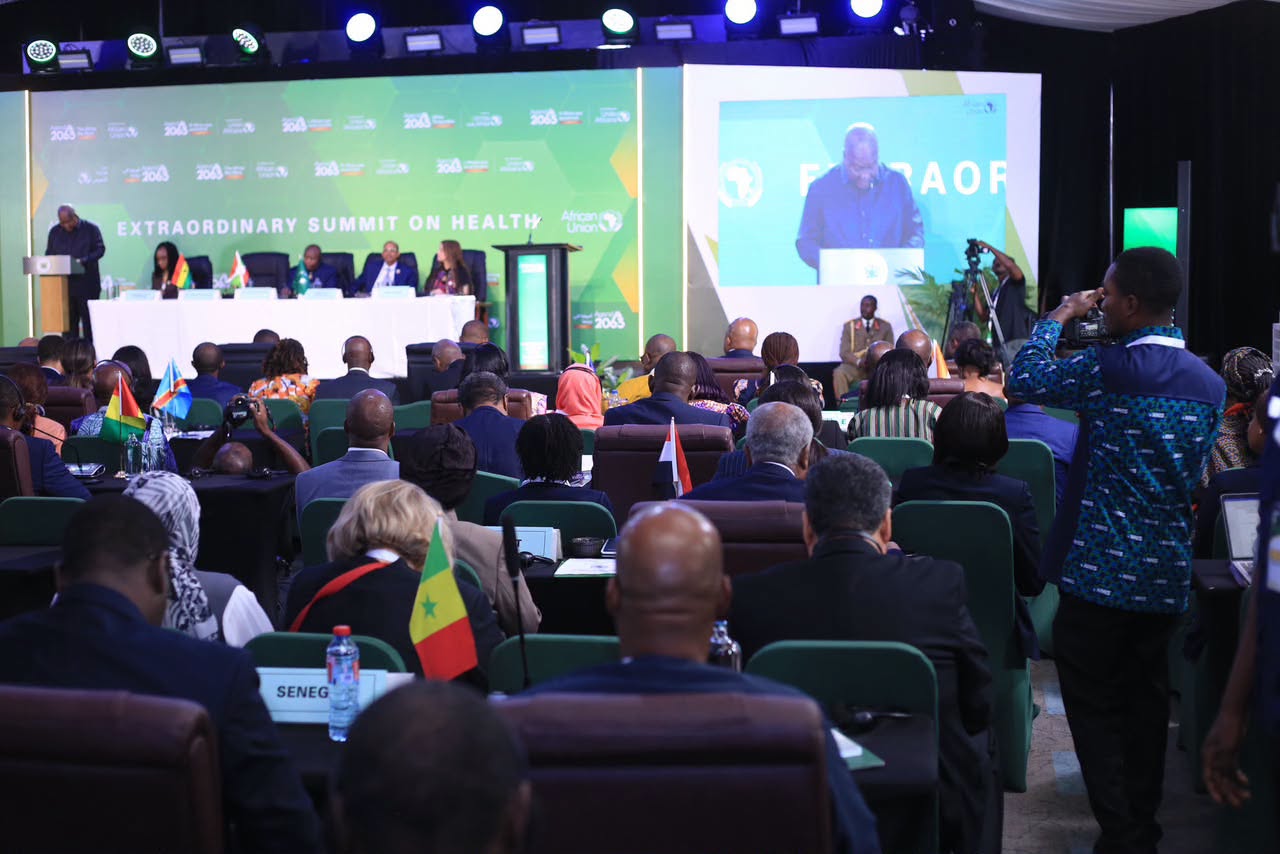
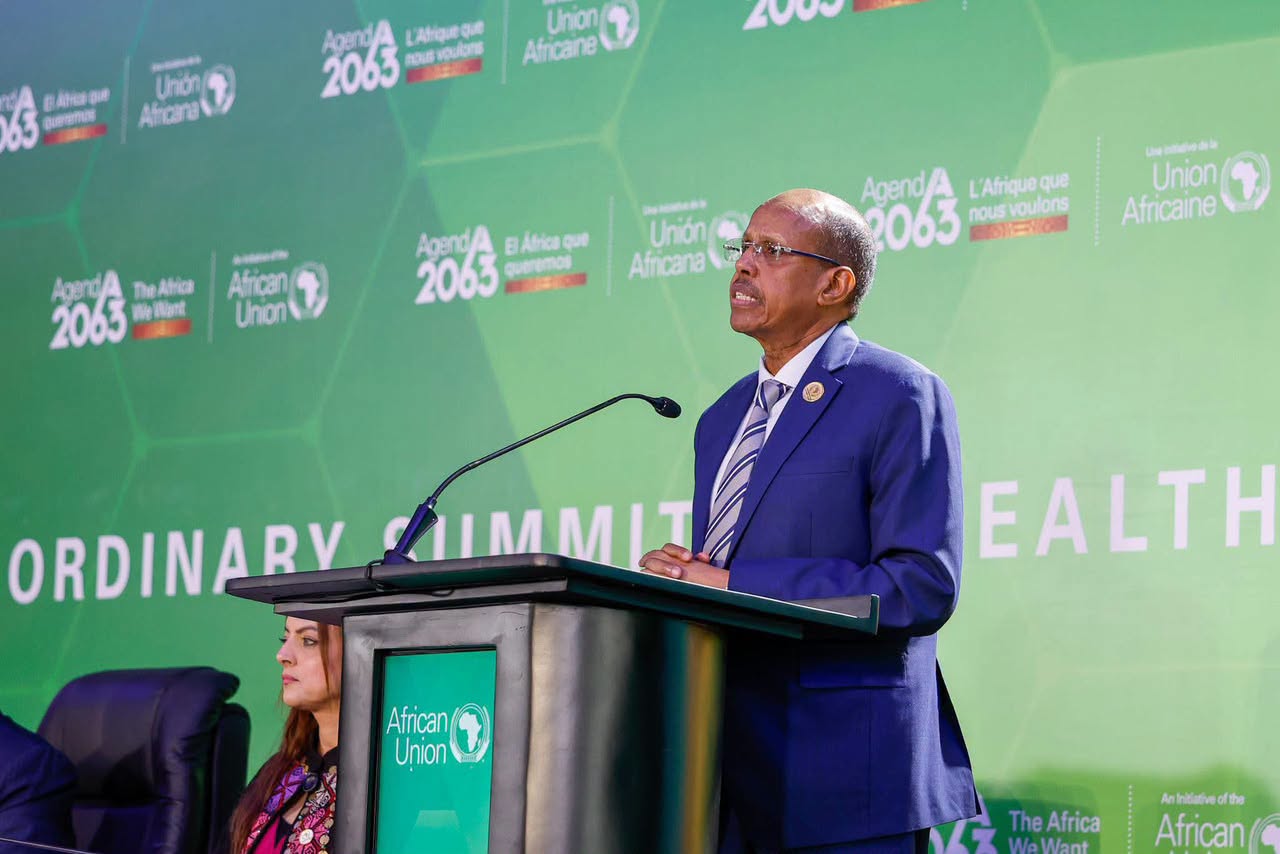
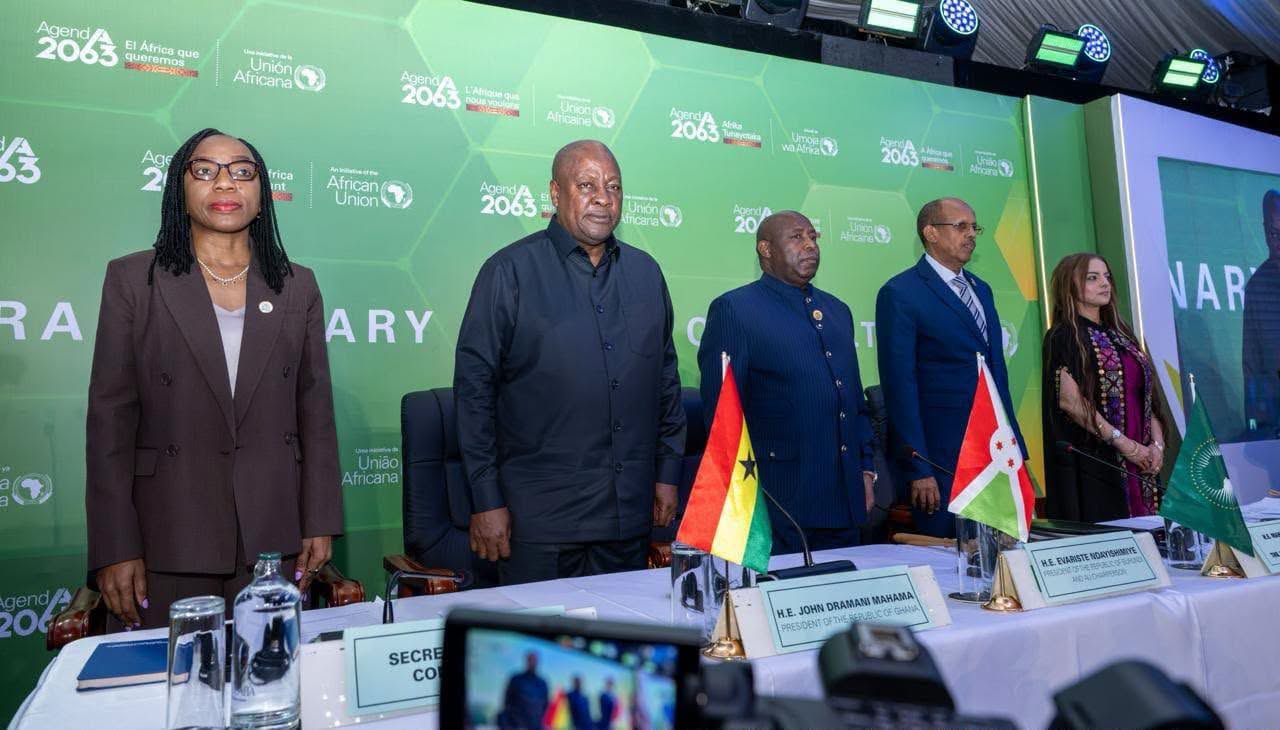
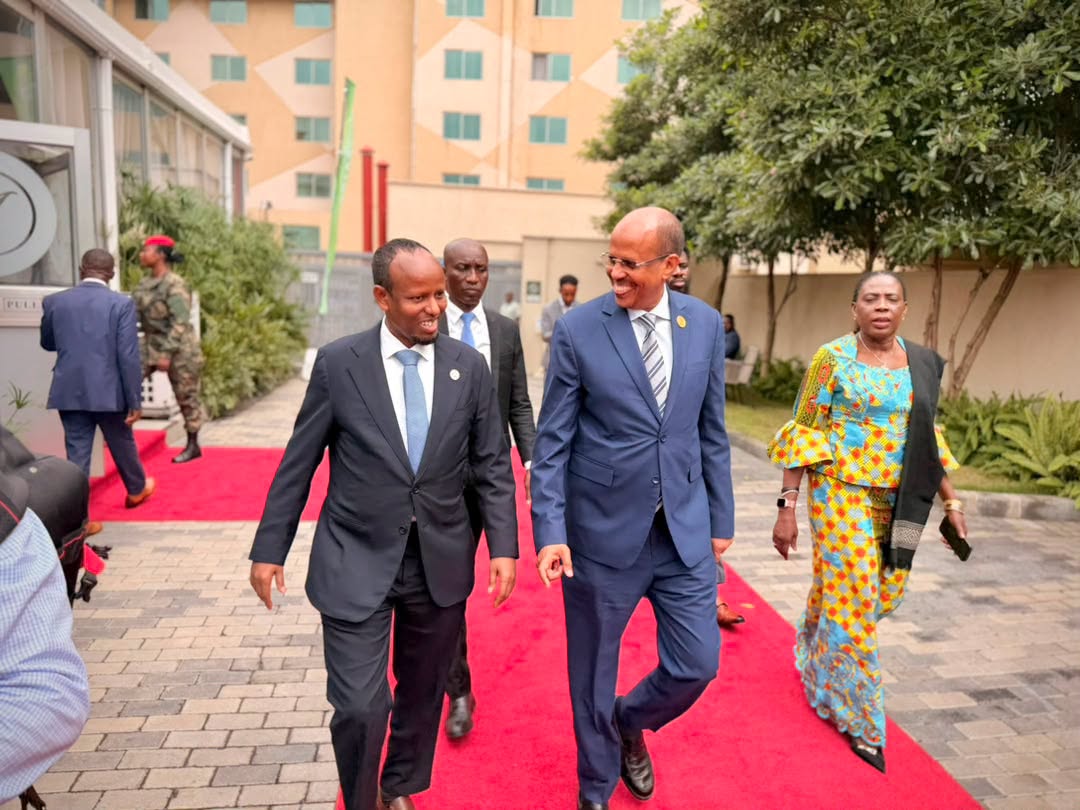
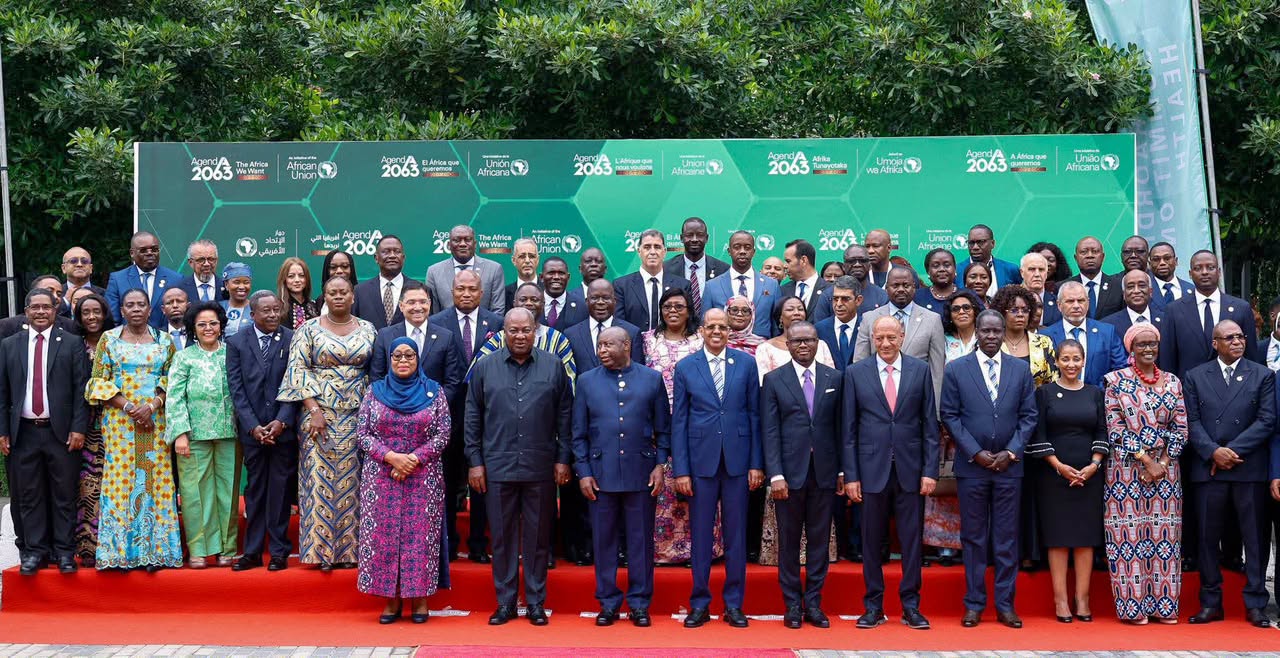
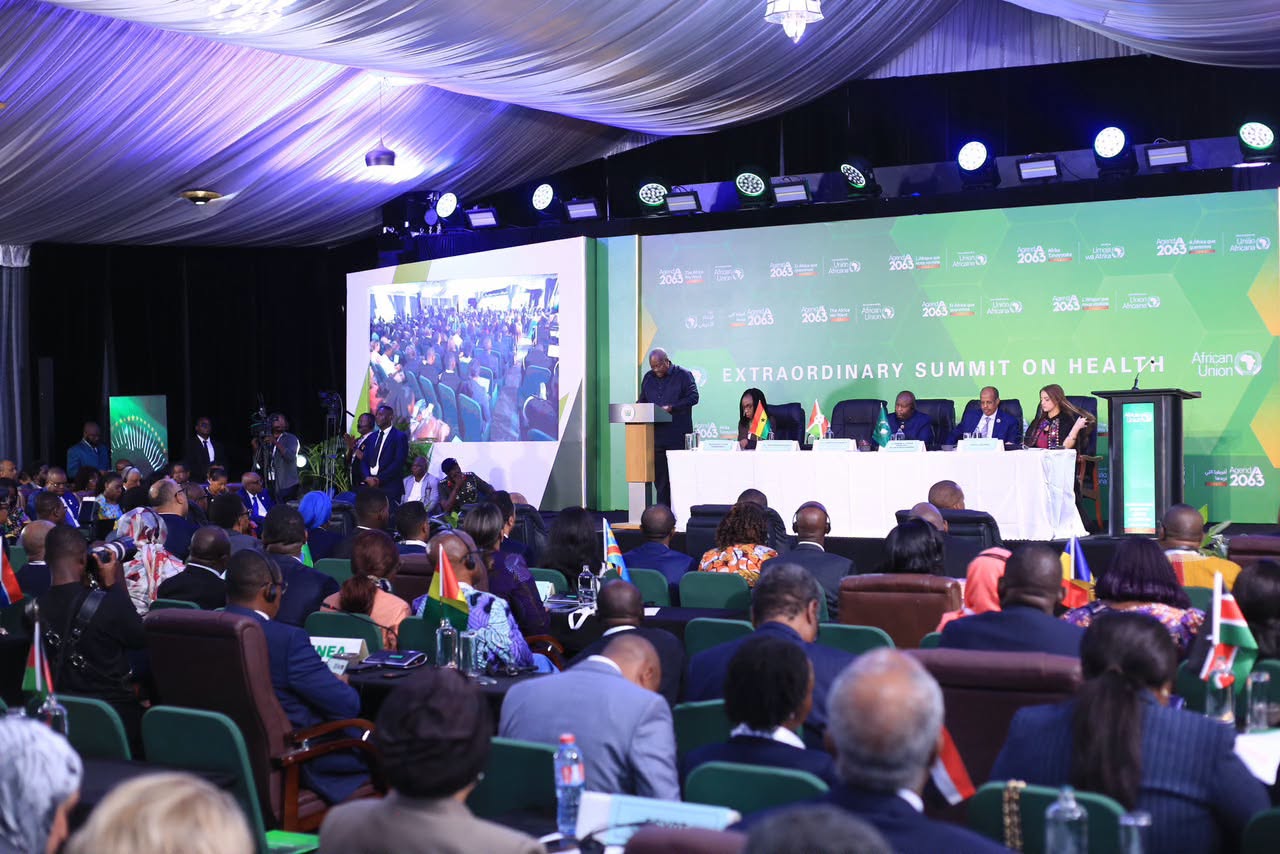
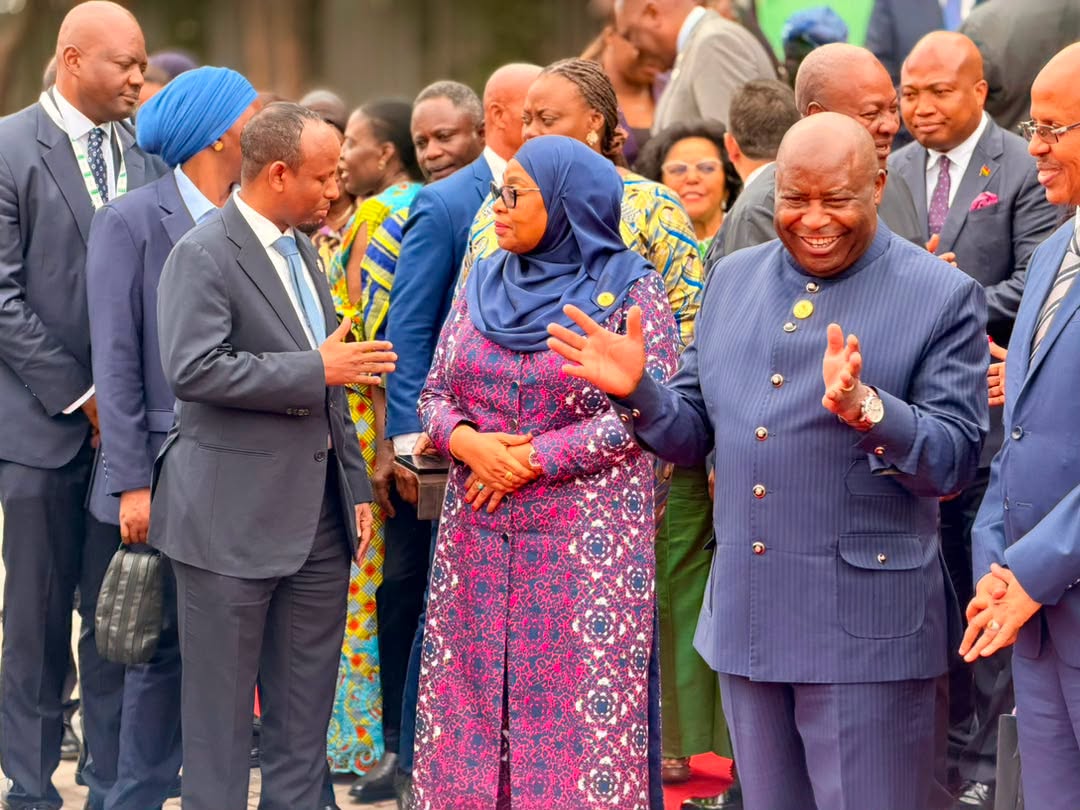
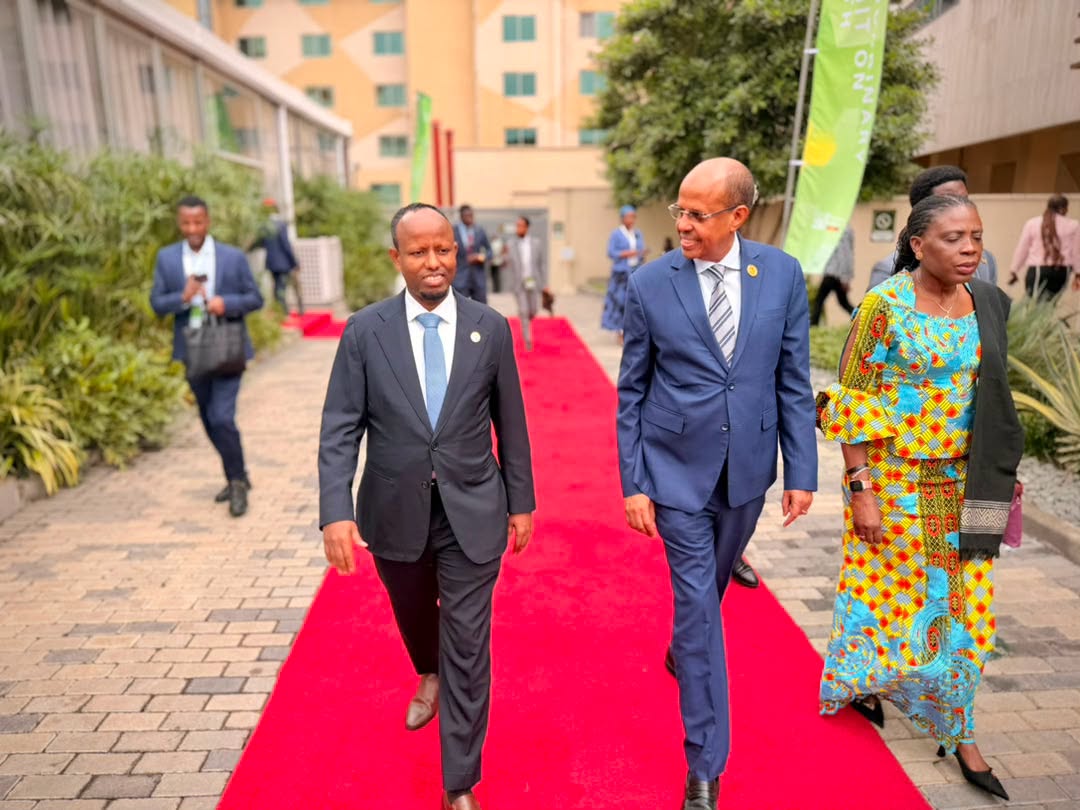
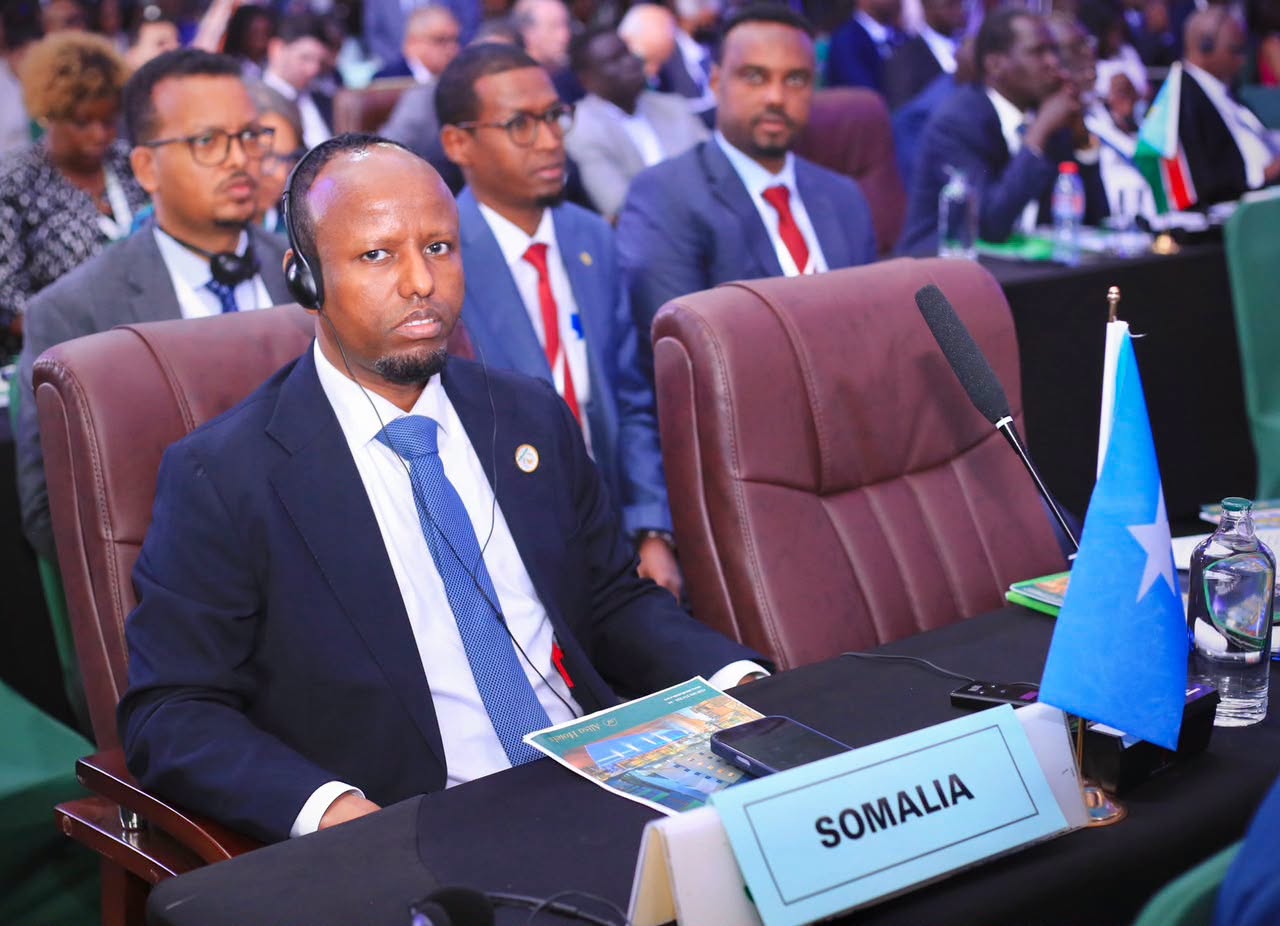
ACCRA (SONNA): The Minister of Health and Human Services of the Federal Republic of Somalia, H.E. Dr. Ali Haji Adan, representing the President of the Federal Republic of Somalia, H.E. Hassan Sheikh Mohamud, has taken part in the Extraordinary Session of the African Union Assembly on Africa’s Health, held in Accra with the continent’s leaders gathered around a single question, the state of African health and how to change it.
The session was hosted by the President of the Republic of Ghana, H.E. John Dramani Mahama, and chaired by the President of the Republic of Burundi and Chairperson of the African Union, H.E. Evariste Ndayishimiye. Its agenda spanned the strengthening of Africa’s health systems, the delivery of Primary Health Care, the goal of ending AIDS by 2030, the reduction of preventable maternal and child deaths, and the acceleration of the continent’s response to communicable and non-communicable diseases, with the advancement of Universal Health Coverage running through all of it.
In his address, the Minister told the assembly that Somalia has made the delivery of Primary Health Care a particular national priority, treating it as the foundation on which quality, equitable health services reaching the whole population are built. He outlined the reforms the Federal Government is pursuing across health facilities, the health workforce, community services, digital health systems and emergency preparedness, and affirmed Somalia’s full support for the Accra Declaration and the African Union’s vision of resilient health systems, calling on African nations to strengthen cooperation, domestic financing and solidarity in pursuit of equitable health and lasting development for the continent.
Delivering the keynote, the Chairperson of the African Union Commission, H.E. Mahmoud Ali Youssouf, called for a decisive shift from commitments to implementation in advancing Africa’s health agenda. He described the AU Roadmap to 2030 and Beyond as the continent’s implementation compact, designed to end AIDS, eliminate preventable maternal and child deaths, combat communicable and non-communicable diseases, strengthen resilient health systems and advance Universal Health Coverage, and he pressed the point on which the whole agenda turns: that Africa’s health sovereignty depends on stronger domestic financing, the local manufacturing of medicines and vaccines, robust regulatory systems, research and innovation, and sustained political leadership.
Somalia arrived in Accra with a record that speaks to that agenda rather than merely applauding it. Within this month alone, the Minister carried the case for regional cooperation, local pharmaceutical production and sustainable health financing to the regional health investment forum in Nouakchott, arguments that anticipated almost exactly the health sovereignty priorities the Commission Chairperson set before the assembly. At home in the same period, the Ministry launched a national Training of Trainers programme for immunization with Gavi, the World Health Organization and UNICEF, building the corps of instructors who will carry vaccination expertise into every federal member state. The positions Somalia voiced in Accra, in other words, are the ones it is already acting on.
For a country rebuilding a health system from a low base, the emphasis on Primary Health Care is a deliberate strategic choice. Specialist hospitals and advanced medicine matter, but the health of a nation is decided overwhelmingly at the primary level, in the clinic that vaccinates a child, attends a birth safely and treats illness before it becomes catastrophe. Placing that level first is how systems with limited resources buy the most health for the most people, and it is why the same principle anchors both Somalia’s national reforms and the continental agenda agreed at Accra. The summit’s stress on domestic financing carries a matching logic. Health systems built mainly on external funds inherit the volatility of their donors, and the path to resilience runs through African resources committed to African health.
The measure of Accra, as of every summit, will be what follows it. The Commission Chairperson put the standard plainly to the assembled leaders. “Future generations will remember this Summit not for our speeches, but for whether we changed the trajectory of health in Africa,” he said. Somalia, for its part, left the session as it arrived, with its priorities declared, its reforms in motion, and its support for the Accra Declaration pledged in full. The work of proving the Chairperson’s standard is now under way in the health facilities, training rooms and district clinics where trajectories actually change, in Somalia and across the continent it stood with in Accra.