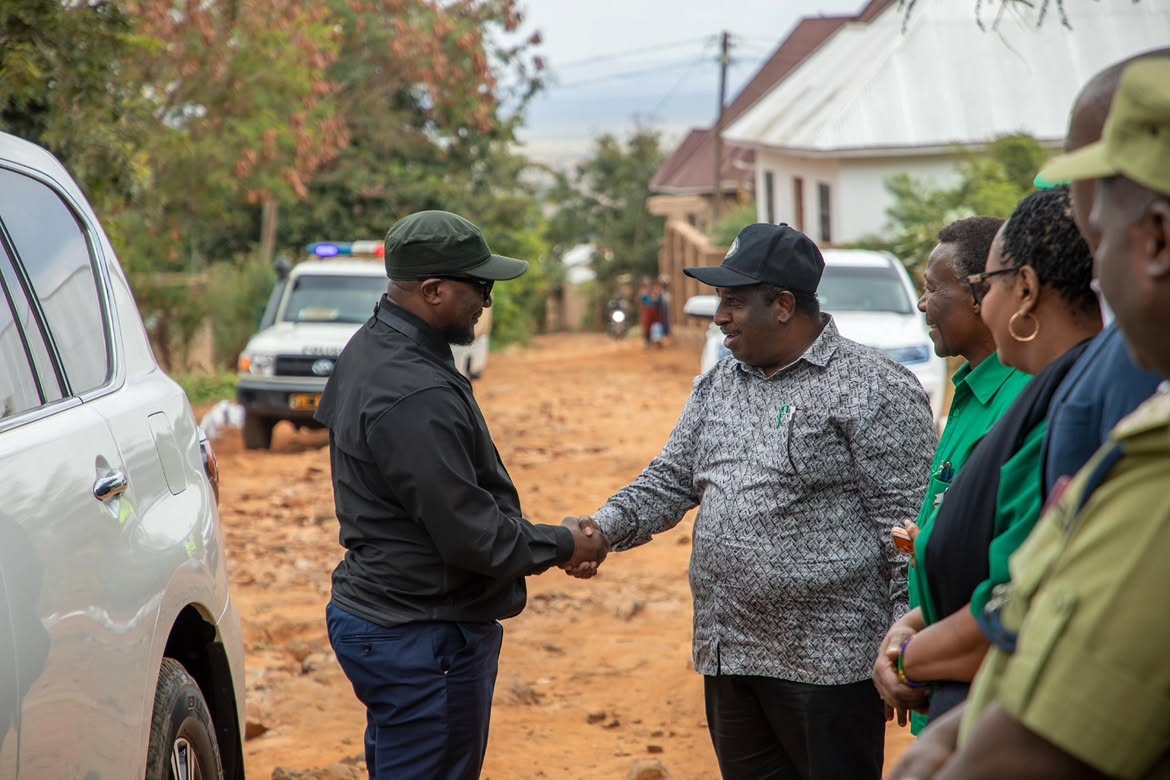
Somali Health Minister Dr. Ali Haji Adam commits to comprehensive primary healthcare reforms at the African Union’s 20th Extraordinary Summit on Health in Ghana.
SFStreamline Feed OfficialVerified
Jul 23, 2026
Updated Jul 23, 2026
Reading
Follow on Google News
The Federal Government of Somalia has utilized a high-level diplomatic platform in West Africa to project its commitment to post-conflict institutional reconstruction, specifically targeting its fragile healthcare sector. Addressing the African Union’s 20th Extraordinary Summit on Health in Accra, Ghana, Somali representatives outlined ambitious domestic reforms aimed at establishing a resilient, nationwide primary healthcare infrastructure.
Somali Health Minister Dr. Ali Haji Adam, executing a direct mandate from President Hassan Sheikh Mohamud, articulated Mogadishu’s strategic pivot toward treating healthcare access not merely as a humanitarian necessity, but as a foundational pillar of state-building and national security. The summit gathered heads of state, policymakers, and international health agencies to synchronize the continent’s approach to impending epidemiological threats and chronic systemic deficits.
The Accra Declaration and Universal Health Coverage
The proceedings in Accra were heavily structured around the ratification and implementation of the Accra Declaration—a comprehensive policy framework committing African Union member states to aggressive, measurable targets. Central to this agenda is the operationalization of Universal Health Coverage (UHC), a daunting objective for nations grappling with severe fiscal constraints and infrastructural deficits.
Dr. Adam confirmed Somalia’s unequivocal endorsement of the declaration. He outlined ongoing federal initiatives designed to systematically overhaul the nation’s medical capabilities. These initiatives prioritize the expansion of the professional health workforce, the deployment of digitized health information systems, and the establishment of rapid-response mechanisms for public health emergencies.
Somalia’s Domestic Reform Agenda
Decades of localized conflict and institutional collapse have left Somalia with some of the most severe health metrics globally, heavily dependent on international non-governmental organizations (NGOs) and United Nations agencies for basic service delivery. The current federal administration is attempting to reclaim sovereign control over these critical services.
- Primary Healthcare Focus: The strategic shift prioritizes decentralized, community-level clinics over centralized urban hospitals, aiming to intercept preventable diseases before they require acute intervention.
- Digital Integration: Implementing basic digital record-keeping to track epidemiological data, manage pharmaceutical supply chains, and reduce systemic corruption and theft of medical supplies.
- Workforce Expansion: Investing in domestic medical academies to train nurses, midwives, and community health workers, reducing reliance on expensive foreign medical personnel.
Tackling AIDS, TB, and Maternal Mortality
The broader AU summit agenda confronted a triad of enduring health crises: the eradication of AIDS as a public health threat by 2030, the containment of Tuberculosis (TB), and the severe reduction of preventable maternal mortality rates. For Somalia, maternal mortality remains a catastrophic vulnerability, driven by a lack of emergency obstetric care in rural areas and the enduring impacts of continuous displacement caused by climate shocks and conflict.
Addressing these specific metrics requires highly specialized interventions. Minister Adam urged fellow African nations to aggressively ramp up domestic health financing, arguing that the continent can no longer rely on the unpredictable fluctuations of Western donor capital. He emphasized that genuine health resilience requires robust intra-African cooperation, sharing of epidemiological intelligence, and joint procurement of essential medicines to leverage economies of scale.
Global Aid and Diasporic Medical Support
The geopolitical reality of Somalia’s health sector remains inextricably linked to international finance. A significant portion of the country’s medical budget is underwritten by bilateral aid from the United States, the United Kingdom, and the European Union, alongside multilateral support from the World Bank and the World Health Organization (WHO).
Furthermore, the Somali diaspora in North America, Europe, and Australia plays a vital, albeit informal, role in the healthcare system. Remittances fund private medical treatments for family members back home, while diaspora medical professionals frequently return to Mogadishu to perform complex surgeries and transfer specialized knowledge. Establishing mechanisms to formalize and integrate this diaspora expertise into the federal health strategy is a critical, yet largely untapped, opportunity for the Ministry of Health.
As the Accra Summit concluded, the disparity between diplomatic commitments and ground-level execution remained the central challenge. For Somalia, transforming the lofty rhetoric of the AU health agenda into functional clinics in Jubaland or Puntland requires navigating intense political fragmentation, securing volatile supply lines, and fundamentally reimagining the fiscal priorities of the state.
The documents, data and reporting consulted for this article. Links open the original material so readers can inspect the evidence directly.
- 01Shabelle Media NetworkNews report
Somalia backs AU health agenda at Accra summitBy Shabelle MediaPublished 23 Jul 2026Accessed 23 Jul 2026- • Somalia has reaffirmed its commitment to strengthening primary healthcare and building resilient health systems at the AU 20th Extraordinary Summit on Health in Accra.
- • Health Minister Dr. Ali Haji Adam represented President Hassan Sheikh Mohamud.
Hot discussions around this story
Keep the conversation in one place—threads here stay linked to the story and in the forums.
Fresh thread
No linked discussion yet. Start one without leaving this page.
Start a conversation about this story and keep it linked here.
E-sports and Gaming Community in Kenya
The Role of Technology in Modern Agriculture (AgriTech)
1030212Agriculture & Food Security
Popular Recreational Activities Across Counties
Investing in Youth Sports Development Programs
You Might Also Like

The Patient Has Already Chosen a Clinic Before They Call You

Public Citizen Petitions FDA to Ban KES 715 Billion Pharmaceutical Ad Industry