International law
“Strengthening civil society means strengthening international law”
International law is under severe attack from various sides at present, with Russia’s war against Ukraine and the war being waged by the US against Iran being just two examples. Furthermore, the US has openly attacked one of the most important institutions in the field of international law, the International Criminal Court (ICC) in The Hague. Yet international law is by no means obsolete, argues Kai Ambos, a professor of criminal and international law and a judge. In our interview, he explains how it can be strengthened at the domestic and international levels.
picture alliance / imageBROKER / Daniel Schoenen
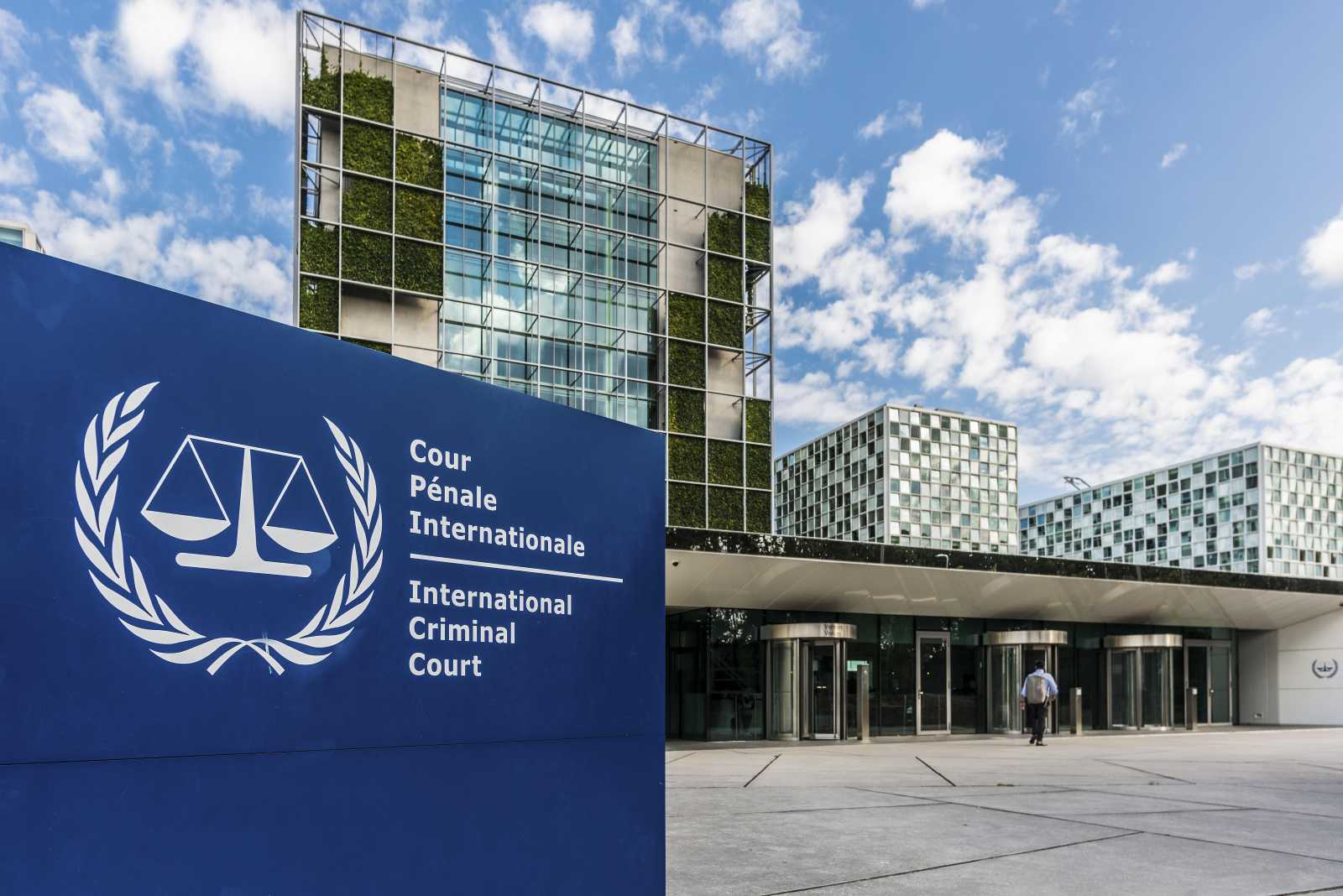
The ICC in The Hague in the Netherlands tries individuals accused of genocide, crimes against humanity, war crimes and crimes of aggression.
Kai Ambos in an interview with Eva-Maria Verfürth
When the ICC issued arrest warrants for Israeli Prime Minister Benjamin Netanyahu, Israel’s former defence minister, and the military chief of Hamas in November 2024, the Trump government slapped tough sanctions on ICC judges, its chief prosecutor and, more recently, its president. US Secretary of State Marco Rubio has even openly threatened to “dismantle” the ICC. What do you see as the reasons for this assault on the international system?
The situation in the US is extreme. US governments have always been sceptical about international law and any attempt to influence national law. However, the current administration is actively pulling out of international organisations, has shut down the USAID development agency and has, to all intents and purposes, declared war on the ICC. I see these attacks as an ideological crusade directed against any form of accountability for executive power. After all, the Trump government is also attacking the judiciary in the US and only accepts decisions handed down by the Supreme Court.
In Germany, too, we are familiar with attempts to undermine the independent judiciary and media while seeking to expand executive immunity – it is part of a right-wing populist and authoritarian strategy. There is certainly no rational reason to attack the ICC given that no legal proceedings against US citizens are underway there, nor are any likely to take place. Though the Trump government wants to protect Israel, dismantling an entire court because of one situation seems rather excessive, especially given that the court in question would never have existed were it not for the Nuremberg trials, which, after all, were largely brought about by the US.
How is this US stance affecting international criminal jurisdiction in practice?
Several countries are thinking about leaving the ICC. Venezuela’s announced withdrawal is the first that the US government has been able to claim as its own success; without doubt, it’s the result of the pressure it has exerted. Chad has now also said it will pull out of the ICC. I fear others will follow suit – for example Colombia under its new President Abelardo de la Espriella or Peru under Keiko Fujimori, the daughter of former president Alberto Fujimori.
However, while some governments might announce to withdraw – a political yet legally irrelevant step – they don’t always follow it up by formally submitting the necessary written declaration to this effect to the UN Secretary-General. There may be internal political reasons for this, such as a country’s need to amend its constitution or obtain parliamentary approval. There may also be resistance from civil society. By contrast, authoritarian or military governments, such as those in Niger, Mali and Burkina Faso swiftly submitted formal declarations to withdraw. Even so, a withdrawal only becomes effective one year after the respective declaration has been submitted, and it has no effect on jurisdiction over crimes committed before this date. This is why, for example, legal proceedings against former Philippine president Rodrigo Duterte are still underway, despite the Philippines having left the ICC as of 17 March 2019. Another example is Hungary: though ex-prime minister Viktor Orbán had already submitted formal notification of withdrawal with parliamentary approval, his successor Péter Magyar was easily able to reverse the decision because the withdrawal hadn’t yet taken effect.
Is there anyone in this situation who can effectively counter the destructive influence of the US government?
Essentially, only the European Union. But to do so, it must go beyond lip service and exert real diplomatic pressure. It has already done so once before, shortly after the Rome Statute, which is the legal treaty establishing the ICC, entered into force in 2002: back then, the US government under George W. Bush was pressuring countries to guarantee in bilateral treaties – known as impunity or immunity agreements – that they wouldn’t surrender US citizens or personnel employed by the US to the ICC. The EU took a resolute opposing stance, convincing some Eastern European countries to refuse to sign such agreements.
The ICC prosecutes the most serious international crimes. You have observed a number of such trials over the years. What impact do they have at the local level?
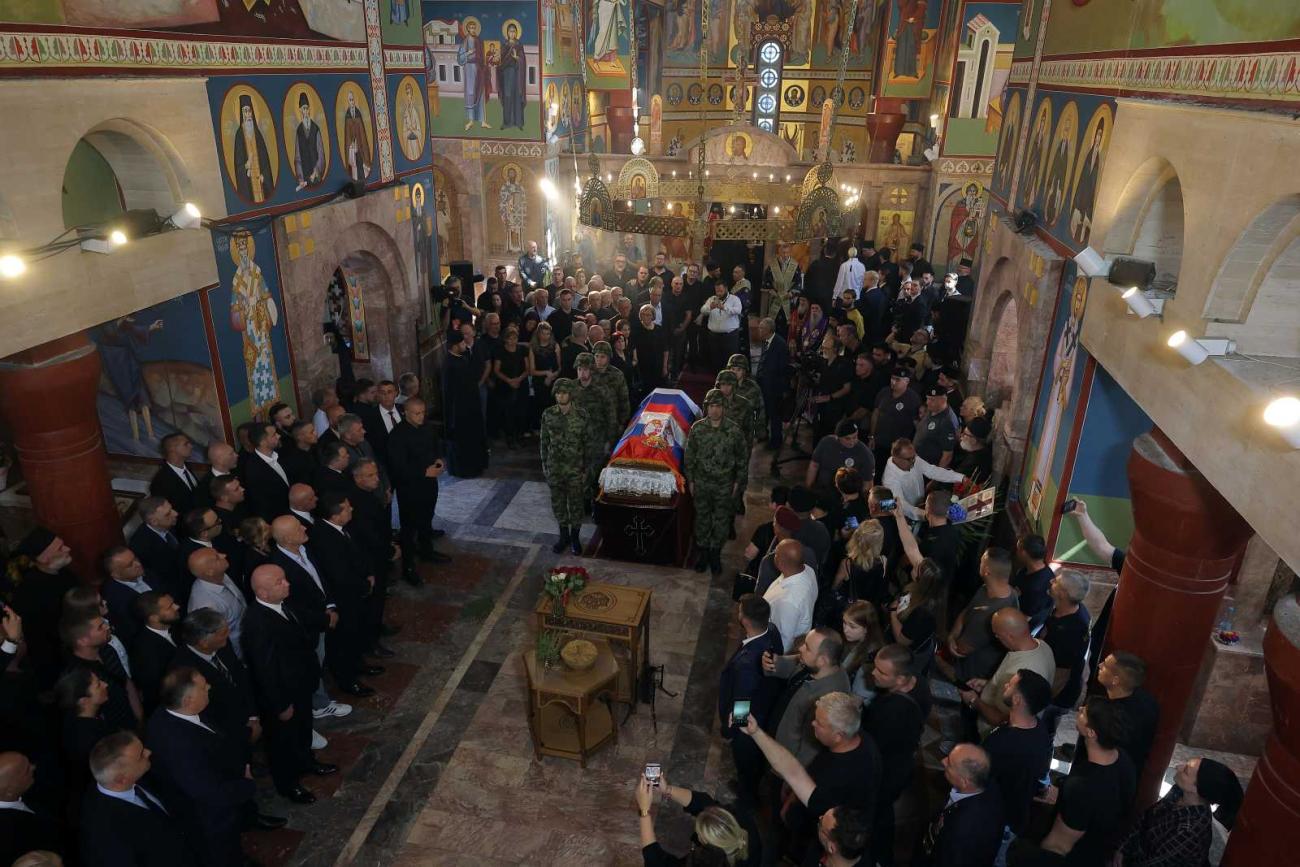
To be honest, international criminal tribunals have virtually no noticeable impact in some cases, and it’s questionable how much persuasive power their judgements actually have in practice. Take the death of Bosnian Serb General Ratko Mladić as a recent example: despite having been found guilty of genocide and crimes against humanity by the International Criminal Tribunal for the Former Yugoslavia, he was buried with military honours in Serbia and celebrated as a hero by thousands of people. In Serbia, most people do not accept that the Srebrenica massacre constituted genocide, even though it has been legally recognised as such by the Appeals Chambers of the International Criminal Tribunal for the Former Yugoslavia (ICTY). In addition, the UN General Assembly established a day of commemoration – and when the resolution was adopted, Serbian President Aleksandar Vučić took his seat in the General Assembly brandishing the Serbian flag. Or take the response to the conviction on 16 September 2026 of former Kosovan president Hashim Thaçi and other leaders of the Kosovo Liberation Army (KLA): the verdict, despite not even having been published yet, was overwhelmingly rejected in the Kosovan media, even though it was only a question of determining the degree to which the defendants could be held criminally responsible – not of assessing the KLA’s defensive struggle against the Serbs.

picture alliance / SIPA / SIPA
The former Bosnian Serb army chief, Ratko Mladić, was convicted of genocide and crimes against humanity by the UN War Crimes Tribunal and died in a UN prison. Nevertheless, he was buried with full military honours in Serbia.
But what about the people who were victims of crimes?
That’s an important question, because it’s the victims for whom international criminal tribunals have really been established and want to provide justice. Victim associations in these countries tend to be just pleased that something is happening – that perpetrators are at least being held to account, even if it’s only a drop in the ocean in many cases. It’s not that the verdicts of international tribunals have no impact at all. Their effect is easier to measure at the European Court of Human Rights (ECHR), which monitors precisely which countries implement its verdicts. But even there we have countries, such as Turkey, that repeatedly ignore judgements. Turkey has been found guilty on multiple occasions, most recently in August 2026, of unlawfully imprisoning cultural activist Osman Kavala, yet to this day has failed to release him. Some state leaders simply shrug off the judgements of international courts; worse still, their populations don’t always accept them either.
The situation was quite different in Colombia in 2016 when President Juan Manuel Santos’ government held peace talks with the guerrilla group FARC. During the negotiations, emphasis was placed on meeting the ICC’s requirements to the greatest extent possible. You were involved in this process yourself and are now an advisor (amicus curiae) to the country’s Special Jurisdiction for Peace. Why was international law so important to the parties?
The world was a rather different place back then. In Latin America, the Inter-American Human Rights System – comprising the Inter-American Commission on Human Rights in Washington DC in the US and the Inter-American Court of Human Rights in San José in Costa Rica – serves as a powerful means by which to fight impunity. In a sense, the ICC was always at the table during the peace negotiations, with the negotiators always checking whether their proposals would be compatible with the Rome Statute. This is why the Colombian Amnesty Law excluded crimes under international law, such as crimes against humanity and war crimes, as well as individual crimes like enforced disappearances and rape. It is unlikely that negotiations would follow a similar pattern in today’s geopolitical climate, with a US government openly opposing international law and accountability.
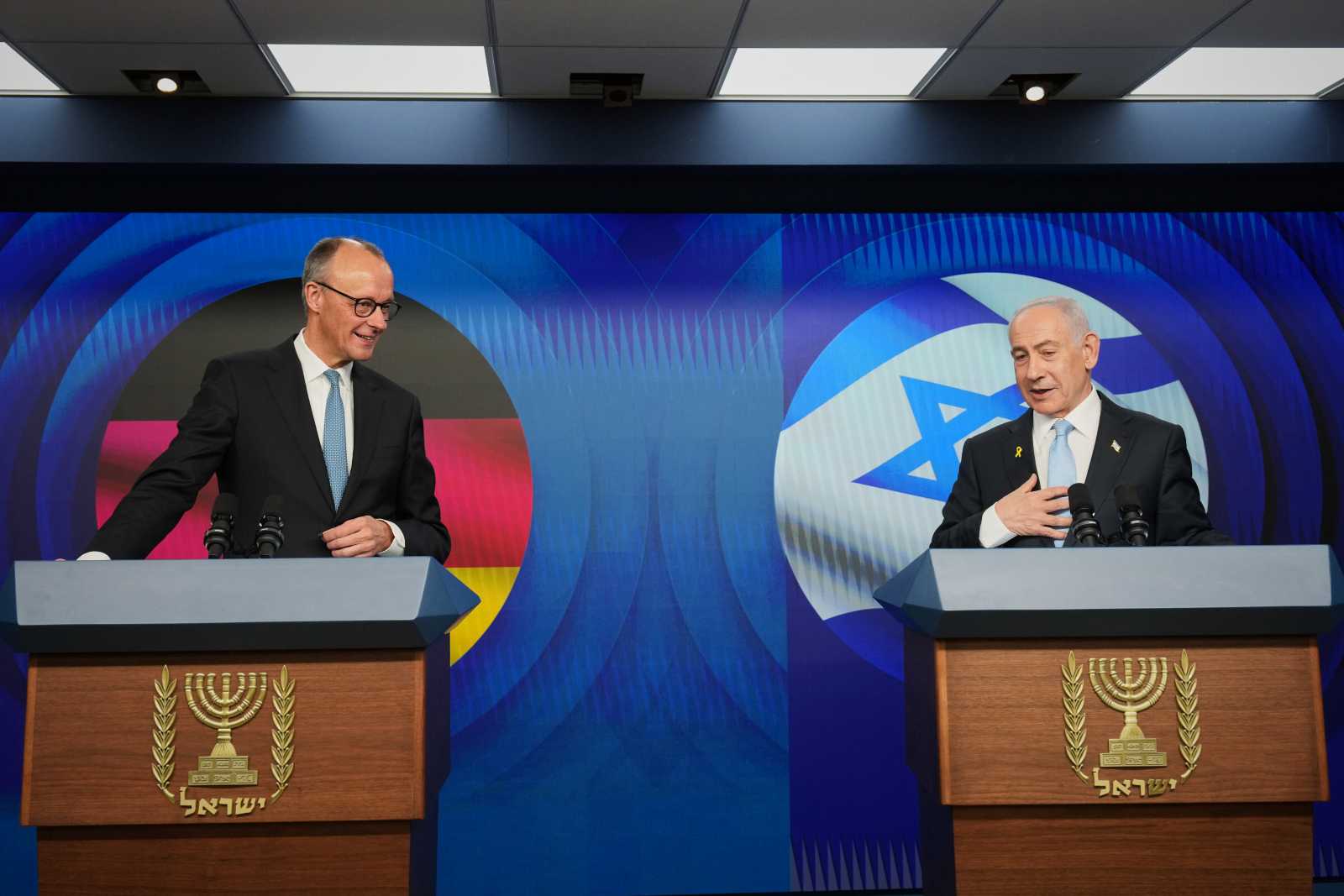
You have stressed elsewhere how important it is for states to adopt an unequivocal stance on violations of international law. The EU and Germany haven’t found this easy to do of late – following the attacks on Venezuela or Iran, for example. Germany’s chancellor Friedrich Merz declared that he intended to find ways to avoid enforcing the ICC’s arrest warrant if Benjamin Netanyahu were to come to Germany. Why are clear commitments so important?
International law has a fundamental problem: there is no central enforcement power as generally exists at the state level in the form of law enforcement agencies. Ultimately, implementation of international law depends on states’ voluntary compliance or must be carried out in a decentralised way, including by states themselves. However, if compliant states are unable to react to breaches of international law with military or economic means – such as sanctions or countermeasures – they must at least condemn such breaches verbally rather than remaining silent.

A distorted idea of the “reason of state”
Why is keeping silent so harmful if nothing can essentially be done to stop such breaches in any case?
When it comes to international law, silence has a very concrete meaning: if violations are not called out, the norm in question begins to erode. It then lacks any formal – at least verbal – endorsement. For instance, if the prohibition on the use of force is repeatedly violated and states respond to such breaches with silence, the norms laid down in the UN Charter cease to have any legal weight in practice. Over time, this leads to a counter-norm emerging – in our example, force would once again become a legitimate instrument of foreign policy. If on the other hand countries like Germany or France state unequivocally “You have breached the norm,” then they express that this norm continues to exist despite having just been violated.
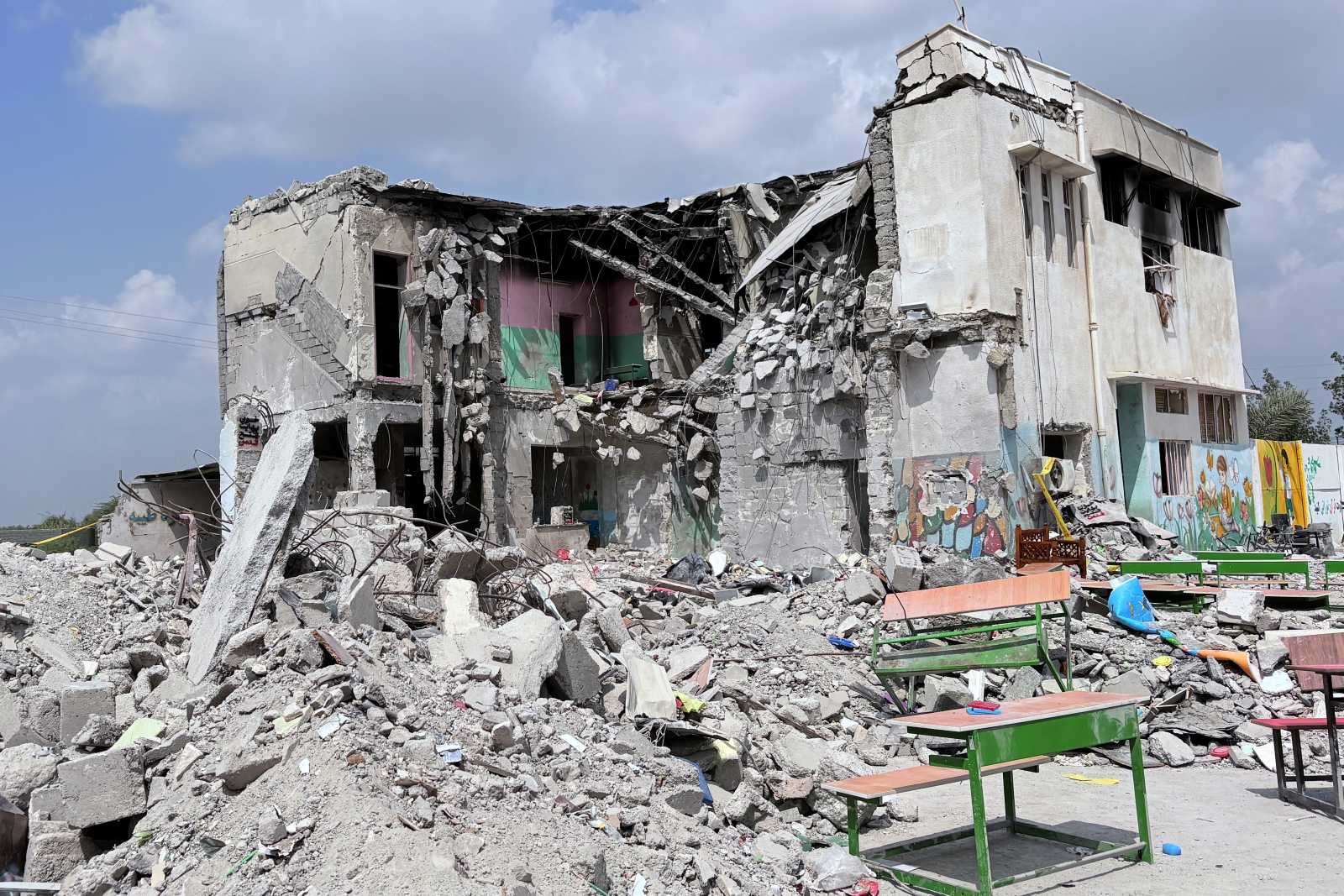
A cornerstone of international law is that it prohibits intervention and the use of force. As you and other international law experts have pointed out on a number of occasions, the US violated this principle in Iran this year. However, the Iranian regime itself commits large-scale atrocities against its own population and hasn’t yet been stopped. Doesn’t international law sometimes end up protecting the wrong people?
International law does not protect a regime – like Iran’s – that violates human rights; it states in clear terms that a government is not permitted to violate the rights of, let alone massacre, its citizens. If it does so nonetheless, the international community may respond accordingly, up to and including the use of military force as a last resort. Any such last resort must be authorised by the Security Council within the UN’s collective peacekeeping system, however. There are numerous other options below the threshold of military force that individual states or groups of states, such as the EU, can also employ against the violating state. These range from diplomatic measures to sweeping economic sanctions that can be imposed on specific individuals or particularly violent groups.
The reason for this tiered system is the realisation that military force – at least on its own – doesn’t provide a solution for those affected. The current war in Iran is the best example of this: it has served merely to stabilise the regime, weaken the opposition and worsen the human rights situation. We are also feeling the effects of the global economic upheavals here. The danger of a wider regional escalation has by no means been averted. Even those who said at the time that the end justifies the means now admit that this war was, and continues to be, counterproductive in every sense.
Then there’s the problem that the so-called West lacks credibility because of its double standards: it only trumpets its human rights argument in the context of enemy states such as Iran and now Russia – not when talking about friendly states like Israel. The current Trump administration even counts the North Korean regime – despite its nuclear bomb – among its friends.
Iran war: Call out violations of international law, push for reform
In the absence of any UN Security Council mandate, are people then entirely at the mercy of their abusive regimes?
As I said, even if the Security Council does authorise the use of force, this is no guarantee that the situation will improve for ordinary people. History teaches us – and peace research confirms – that military force on its own is no solution and that externally imposed regime changes do not work. Change needs to come from within, though this can certainly be facilitated or brought about by a domestic military movement, as was the case in Syria. Military force deployed by external powers frequently leads only to further escalation and also impacts the civil society opposition.
Should we do more to support civil society in its efforts to oppose unjust regimes?
Yes, absolutely. Generally, strengthening civil society means strengthening democracy and international law. What other option do we have when states are in the hands of autocratic leaders? That’s when we need the NGOs on the ground and multinational civil society organisations: Human Rights Watch, Amnesty International and the like. The idea of a system of international law “from below” – that is to say driven by local civil society and grassroots movements – originates from advocates of Third World Approaches to International Law who seek to rethink international law from a postcolonial perspective. It’s a new way of viewing international law as being centred not around states but around the societies and people directly affected.
The current geopolitical landscape is making it virtually impossible for the UN Security Council to reach decisions on some of the major conflicts. How likely is it that there will be progress on this front in the next few years?
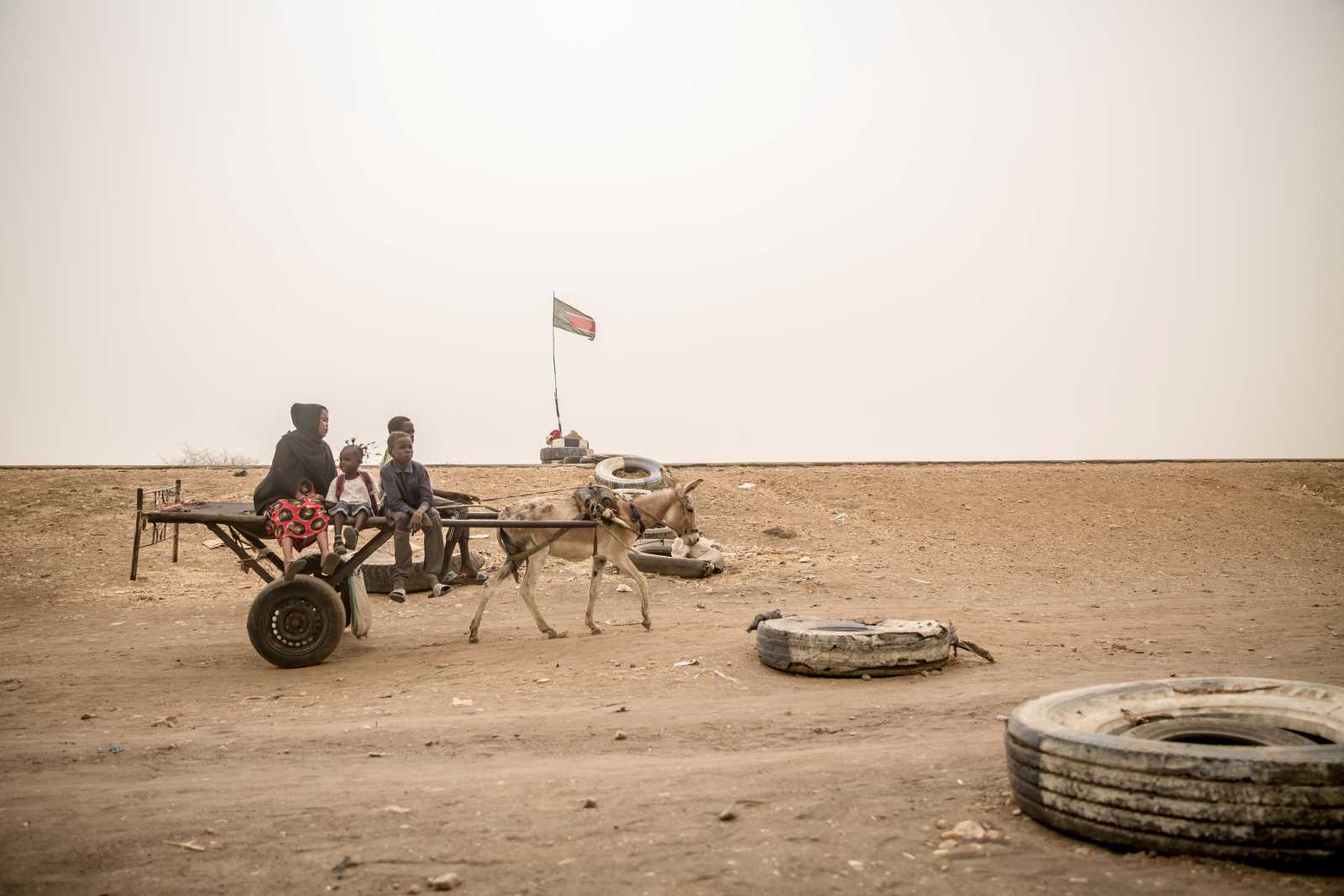
It is widely agreed, even in diplomatic circles, that the Security Council is dysfunctional and represents the world of 1945, with the balance of power as it was then. The problem is that any reform of the Security Council requires the approval of the Security Council itself, and the permanent members won’t give up their seats voluntarily. Admittedly, there have been many constructive reform proposals, such as increasing the number of permanent members while retaining the existing ones and weakening the veto option. As things currently stand, however, even that kind of reform is essentially inconceivable, as not only the big three (China, Russia and the US) but also France and the UK would have to make concessions. That said, the Security Council is not completely pointless even in its current form, as can be seen from the fact that it is constantly being convened in the event of crises – even by the Trump administration regarding Gaza or the Iran war. Sometimes resolutions are actually adopted, as when the sanctions against Sudan were extended (which of course serves little purpose if states like Germany do good business with one of the countries mainly responsible for this war, namely the United Arab Emirates).
How ICC is relevant in civil war in Sudan’s Darfur region
Why Mongolia’s legal failure to arrest Putin has only limited political impact
byTom Dannenbaum
10.09.2024
How resilient do you believe the system of international law to be as a whole?
For the most part, the overall system of the United Nations with its specialised agencies and main offices in New York, Geneva, Vienna and Nairobi functions well. International law is actively practised every day in the form of border treaties, migration agreements and negotiations on autonomous weapon systems, not to mention in international economic, maritime and aviation law. Currently, there are even calls for international law to be used to regulate and coordinate the risks associated with AI. Generally speaking, it’s important to understand that any rule or regulation that goes beyond a state’s individual territory is by definition international law. Our lives would be completely unthinkable without international law. The problem is that the media always focuses on violations of the prohibition of the use of force or serious breaches of human rights. Meanwhile, all the other areas of international law continue to function relatively quietly and efficiently in the background. And even the two principal disruptors of the current rule-based order, the US and Russia, still take advantage – as I have said – of the existing mechanisms and especially of the UN Security Council. This makes it clear that there is no other, better forum, however much the current system may be in need of reform. Just listen to the speeches at this year’s UN General Assembly and you’ll note how many states’ representatives are emphasising the importance of an international legal order and inter-state cooperation. Certainly, the alternative is not some institution like Trump’s Board of Peace or any unilateral use of force. International law is alive and kicking: we cannot do without it.
Ambos, K. and Scheybani, A., 2026:A Path For Middle Powers and a Rules-Based International Order: A Functional Perspective.In: Just Security.
Ambos, K., 2026:Staatsräson nach Gaza. Das deutsch-israelische Verhältnis und das Völkerrecht.Beltz-Verlag, Weinheim. (Available only in German.)
Kai Ambos is Chair of Criminal Law, Criminal Procedure, Comparative Law, International Criminal Law and Public International Law at Georg-August University of Göttingen, as well as a judge at the Kosovo Specialist Chambers in The Hague and an advisor (amicus curiae) to Colombia’s Special Jurisdiction for Peace.
kambos@gwdg.de
Latest Articles
byKai AmbosEva-Maria Verfürth
30.09.2026

How human rights activists are prosecuted abroad
bySelmin ÇalışkanD+C/E+Z
29.09.2026


What Sarah makes before Burundi wakes: the business of cassava leaves
byMireille Kanyange
28.09.2026
“Our generation will lead differently”
bySelma BichbichEva-Maria Verfürth
25.09.2026
Most viewed articles
An investment in water is an investment in security
byReem Alabali Radovan
21.08.2026

Kenya as a pioneer of clean energy and a German app designed to circumvent censorship