

Sub-Saharan Africa growth reset to unlock the private sector’s potential – IMF
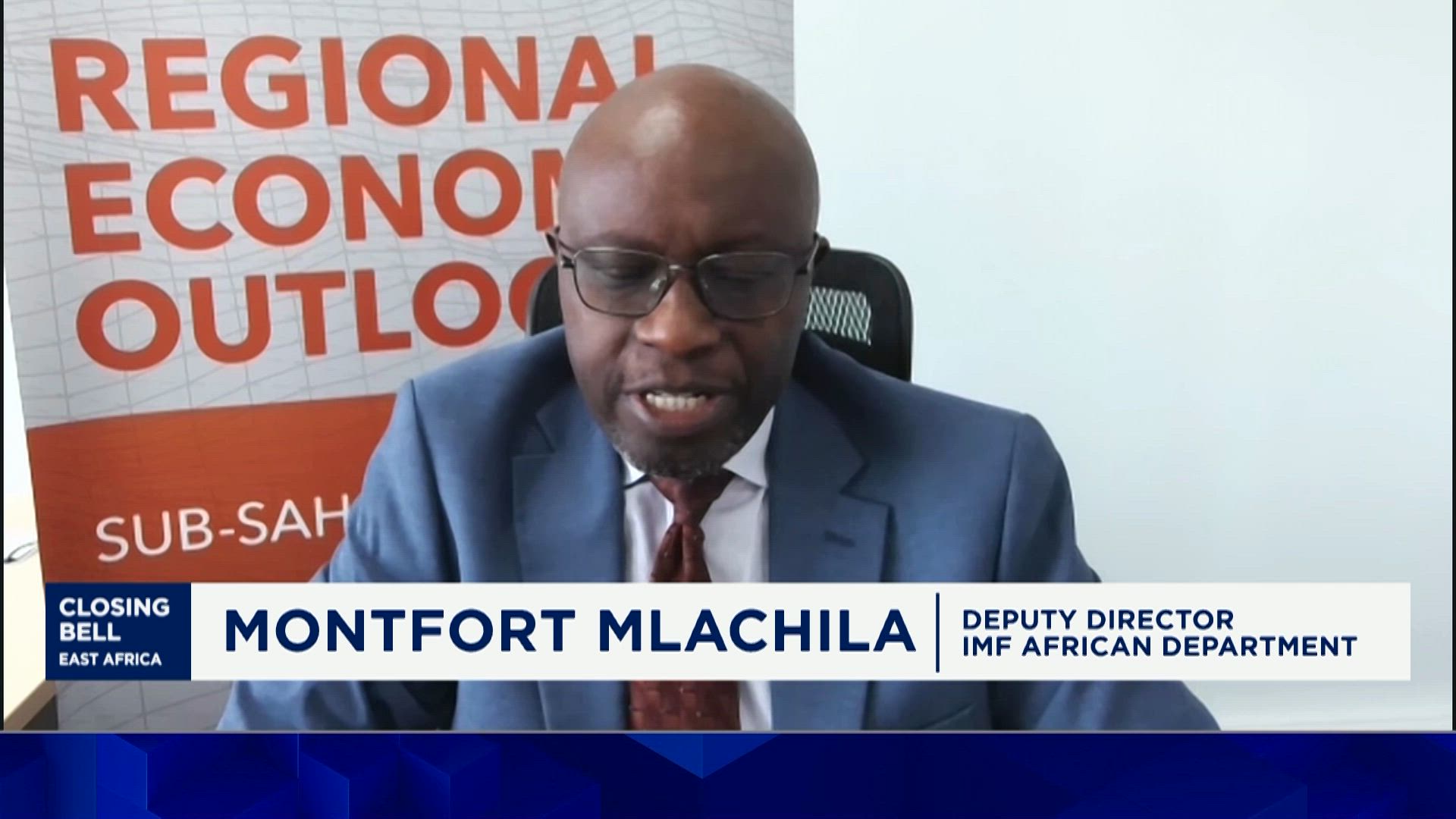
The latest outlook from the International Monetary Fund suggests Sub-Saharan Africa’s recovery is becoming more fragile. While growth remains relatively resilient, the Fund has trimmed its 2026 growth forecast to 4.3 per cent as a new external shock, tighter global financial conditions, and declining aid flows raise questions not only about how durable that recovery really, but also what policy choices will shape the region’s trajectory from here. Joining CNBC Africa for more is Montfort Mlachila, Deputy Director in the African Department at the International Monetary Fund.
Wed, 06 May 2026 16:25:29 GMT
Disclaimer: The following content is generated automatically by a GPT AI and may not be accurate. To verify the details, please watch the video
AI Generated Summary
Key Points:
- The IMF revised Sub-Saharan Africa’s 2026 growth forecast down to 4.3%.
- The region entered 2026 with strong momentum following stabilization efforts in 2025.
- The war in the Middle East has increased oil, fertilizer and transportation costs, weighing on the outlook.
- If hostilities persist, regional growth could fall by a further 0.6 percentage point this year.
- Agriculture is particularly vulnerable because fertilizer prices have risen faster than oil prices.
- Slower global growth could weaken demand for Sub-Saharan Africa’s commodity exports.
- Median inflation in the region was about 3.5% last year, though some countries face much higher price pressures.
- Countries with weak monetary policy frameworks and double-digit inflation are at greater risk of entrenched inflation.
- The most exposed economies are oil importers with low external reserves and high fiscal deficits.
- Around one-third of countries in the region face two or three of those vulnerabilities.
- A 20% increase in food prices could push more than 20 million people into food insecurity.
- The IMF recommends targeted, timely and temporary cash support for the poorest households.
- Governments should create fiscal space by mobilizing more domestic revenue and widening the tax base.
- Tighter global financial conditions could make it significantly harder for African sovereigns to refinance through bond markets in 2026 and 2027.
- The IMF says policy choices now will determine how durable the region’s recovery ultimately proves to be.
Topics
IMFSub-Saharan AfricaAfrica economyeconomic growthinflationfood insecurityglobal financial conditionssovereign debtMiddle East conflictfiscal consolidationprivate sectorCNBC Africa
Sub-Saharan Africa’s economic recovery is showing signs of strain, with the International Monetary Fund warning that a period of hard-won stabilization is now being tested by fresh external shocks, tighter financial conditions and declining aid flows
Speaking in a television interview, IMF African Department Deputy Director Manfode Mlatshila said the region entered 2026 with strong momentum after stabilization efforts in 2025, but the outlook has since become more uncertain. The Fund has revised its 2026 growth forecast for Sub-Saharan Africa down to 4.3%, citing mounting pressure from the war in the Middle East, rising import costs and a more challenging global backdrop.
While growth remains relatively resilient, Mlatshila made clear that risks are tilted firmly to the downside
“Sub-Saharan Africa entered 2026 with very strong momentum, having benefited from the hard-won stabilization that happened especially in 2025,” he said. “Clearly, the war in the Middle East has put a lot of pressure on the region, given the very high oil, fertilizer and transportation costs.”
Those pressures are feeding through several channels. Higher oil prices are raising import bills for energy-dependent economies. Fertilizer costs, which Mlatshila said have risen even faster than oil prices, threaten agricultural output across a region where farming remains a central driver of employment, livelihoods and food supply. Transportation costs have also climbed, while some countries are facing hits to tourism demand.
According to the IMF official, if hostilities in the Middle East persist for longer than expected, regional growth could weaken by a further 0.6 percentage point this year. That downside scenario would be driven by weaker agricultural production, slower global growth, softer demand for the region’s commodity exports and a hit to domestic demand
The warning adds to concerns that the region’s rebound, though intact, lacks a strong cushion against renewed external volatility. Many economies in Sub-Saharan Africa remain highly exposed to imported inflation, commodity price swings and capital market sentiment, especially after several years of shocks that included the pandemic, elevated debt burdens and currency pressures
On inflation, Mlatshila struck a more nuanced tone. He said the region is starting from a relatively favorable position in many cases. Median inflation in Sub-Saharan Africa was about 3.5% last year, he noted, while countries in the West African Monetary Union recorded inflation of just over 1%
That starting point should help some economies absorb the latest shock better than in previous episodes. Still, the picture is uneven. Countries with weak monetary policy frameworks and already elevated inflation are expected to face a much more difficult environment
For those economies, rising imported costs could become more entrenched in domestic prices, creating a painful policy trade-off between supporting growth and containing inflation. The challenge is likely to be particularly severe in countries already dealing with double-digit inflation and limited policy credibility
Mlatshila said the most exposed countries are generally oil importers with low levels of external reserves and wide fiscal deficits. Roughly one-third of countries in the region, he said, exhibit two or three of those vulnerabilities, leaving them at greater risk of deterioration in both growth and inflation
The social consequences could be severe. The interview highlighted concerns that a 20% increase in food prices could push more than 20 million people in the region into food insecurity. That prospect is especially alarming in economies where large parts of the population rely on subsistence farming or informal urban work and are therefore highly vulnerable to swings in food and transport costs
In response, Mlatshila said governments should prioritize support for the poorest and most vulnerable households, particularly through targeted and time-limited cash transfers. Broad-based subsidies or untargeted spending would be harder to sustain at a time when public finances are already under pressure
“It is to this segment of the population that the government needs to make available financial support, probably in the form of cash grants,” he said, while stressing that such assistance should be targeted, timely and limited over time to contain fiscal costs
At the same time, he argued that governments need to create the budget space to fund that support by mobilizing more domestic revenue, notably through widening the tax base. That recommendation reflects a broader IMF view that the region must strengthen its fiscal foundations even as it protects vulnerable populations from the immediate impact of inflation and food insecurity
The financing outlook adds another layer of concern. If global financial conditions tighten further and borrowing costs rise, African sovereigns that rely on international bond markets could find refinancing significantly more difficult in 2026 and 2027
Mlatshila noted that the region had benefited over the past year from a general decline in sovereign spreads, improving the starting point somewhat. But he cautioned that this window could narrow quickly in a risk-off global environment
Should international markets tighten further, he said, it would become much harder for countries to refinance themselves through bond issuance. That would be especially problematic for sovereigns with large external financing needs, weak reserve buffers or already stretched debt dynamics
The IMF’s message is that the region is not in crisis, but its recovery is becoming more fragile and more dependent on policy discipline. Governments are being urged to balance fiscal consolidation with targeted social protection, while also pushing structural reforms that can help unlock private sector activity and reduce vulnerability to external shocks
For investors and policymakers alike, the revised 4.3% growth forecast now looks less like a firm baseline and more like a best-case scenario under pressure. With geopolitical tensions, food prices and financing conditions all moving in the wrong direction, Sub-Saharan Africa’s next phase of growth may depend not only on resilience, but on how quickly governments can shore up macroeconomic stability and protect their most exposed populations.
ChooseCNBC Africaas your preferred source on Google and never miss a moment from the most trusted name in business news.
