Price falls have been recorded in all regions of Germany, as well as in neighbouring countries
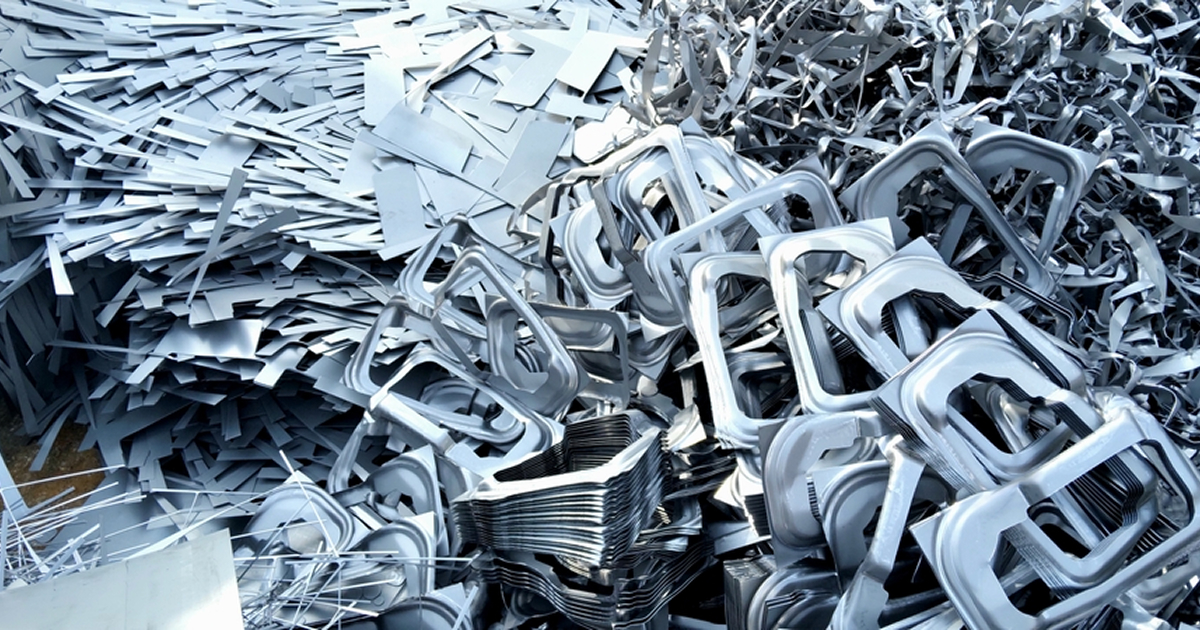
In July 2026, the European scrap market came under dual pressure: a fall in demand due to seasonal maintenance work at steelworks and a logistical breakdown caused by drought led to a fall in prices. This is according to the July report by the German association bvse.
In July, scrap prices in Europe fell by an average of €20–25 per tonne. The main factors were reduced demand due to summer shutdowns at steelworks for maintenance, as well as an acute logistics crisis.
Critically low water levels in rivers, particularly the Rhine, limited barge loading to 30–50% of normal levels, whilst in some sections navigation was completely paralysed. Rail and road transport were unable to make up for the lost volumes. At the same time, due to a new round of conflict in the Middle East and rising oil prices, freight rates on some routes have increased three- to four-fold. This has blocked both the supply of scrap to warehouses and its shipment to end users.
Price declines were recorded across all regions of Germany, as well as in neighbouring countries: Luxembourg (-€25/t), Austria (-€10/t), Italy (-€25/t), Poland (-€20–30/t) and the Czech Republic (-€22/t).
On the global market, HMS 1/2 scrap prices fell to $368–373/t CFR Turkey at the start of the month, but recovered slightly by the end of July. Turkish mills are attempting to raise rebar prices due to rising energy and freight costs from the US ($50/t).
Analysts describe expectations for August as subdued. No significant price fluctuations are anticipated. The market will be monitoring the resumption of exports, river water levels and the return of mills from their summer maintenance shutdowns.
As reported by GMK Center, the European Union retained its status as the world’s leading exporter of scrap in 2025, despite a 2% year-on-year decline in total shipments to 16.7 million tonnes. The main destinations for European exports were Turkey, with a slight decline of 0.9% to 10.8 million tonnes, and Egypt, with an increase of 13.4% to 1.9 million tonnes. The Netherlands once again confirmed its status as the largest individual exporter within the EU, increasing shipments by 4.4% year-on-year to 3.9 million tonnes. Scrap import volumes in EU countries over the past year rose by 28.8% year-on-year – to 5 million tonnes.