

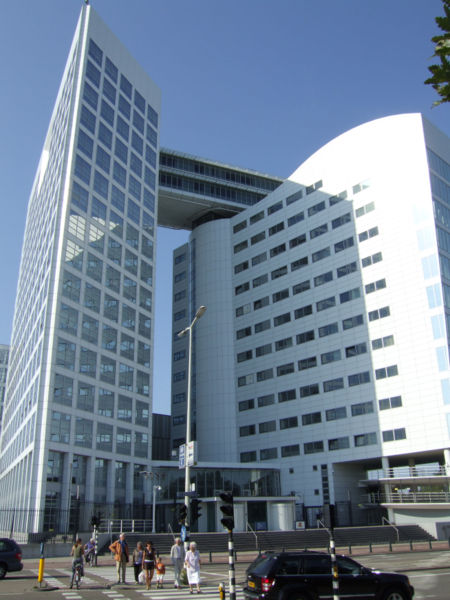
On Friday (17 July), the International Criminal Court (ICC) marks its 28th anniversary. Even as European governments announce new initiatives to train diplomats and policymakers in accountability and the fight against impunity, the court that was supposed to embody those principles is in the deepest crisis of its existence.
And Europe bears a significant share of the responsibility.
Sanctions and selective outrage
The most visible threat to the ICC comes from the Trump administration’s sanctions against its judges and prosecutors — blocking their access to financial services and cutting them off from essential digital platforms.
These sanctions are legally questionable and deeply damaging to the independence of a court designed to be free of exactly this kind of political pressure.
The EU has condemned them loudly. But it has stopped well short of activating its own Blocking Statute (Regulation 2271/96), leaving individual judges and staff to manage the consequences on their own.
At least as troubling is the double standard applied by the court’s own member states.
When Russia invaded Ukraine, 41 states referred the situation to the ICC within weeks. There was great enthusiasm.
But when prosecutor Karim Khan issued arrest warrants against Israeli prime minister Benjamin Netanyahu and former defence minister Yoav Gallant, the same Western states fell silent. Several openly questioned whether they would execute the warrants.
Many states in the Global South drew the obvious conclusion.
That double standard has now been compounded by the establishment of a new ad hoc tribunal by the EU and the Council of Europe, specifically designed to prosecute Russian aggression against Ukraine.
The legal rationale is understandable: the ICC has genuine jurisdictional gaps on the crime of aggression.
But a tribunal created for one conflict — while acts of aggression in the Middle East and Latin America go unanswered — serves the court’s critics their strongest argument on a silver platter: that international criminal justice is a selective instrument of Western power, not a universal principle.
Too few judgments, too little justice
After nearly 25 years, the ICC has delivered fewer than 15 final judgments. That is a strikingly thin record. Proceedings have dragged on for years; acquittal rates have been abnormally high; and the quality of some decisions has been questioned by supporters and critics alike.
The treatment of victims has been particularly painful. The Katanga case — a relatively straightforward matter — ran from arrest in 2007 to the completion of reparations in early 2025: nearly 20 years.
Individual victims received $250 [€218] each. The total paid out — individual and collective reparations combined — amounted to just under $1m, funded not by Katanga but by Germany, Ireland and the Netherlands through the Trust Fund for Victims.
That figure stands in stark contrast to the budgets consumed by administrative infrastructure, lawyers and experts.
If a simple case takes two decades, what can the court realistically offer to the victims of Gaza or Ukraine, involving potentially hundreds of thousands of victims?
The ICC raises enormous expectations. It does not have the means to meet them. That is an inconvenient truth that its supporters have been too slow to acknowledge.
A self-inflicted governance crisis
As if external pressure and disappointing results were not enough, the court has also created a governance crisis of its own making.
In May 2024, allegations of sexual misconduct were raised against prosecutor Khan.
The Bureau of the Assembly of States Parties commissioned an independent panel of three senior judges to assess the findings of an investigation by the United Nations Office of Internal Oversight Services (OIOS).
That panel concluded unanimously that no misconduct or breach of duty had been established.
The Bureau disregarded those conclusions. On 8 June 2026, more than two years into the process, it voted by a two-thirds majority to refer the case to the full assembly on grounds of serious misconduct, and suspended Khan with immediate effect.
The 125 member states are due to convene on 24 July to vote on his fate.
My commitment to zero tolerance for sexual misconduct — in any institution, and especially one devoted to justice — is absolute. But a governing body that establishes a quasi-judicial process and then sets aside its outcome because the result proved unwelcome is not defending due process. It is undermining it.
What honest support looks like
I believe in the ICC. I served as one of its judges for nine years. And precisely because I believe in it, I think it deserves honest support — not applause that papers over real problems, but the kind of critical engagement that might actually help fix them.
That means member states enforcing the court’s decisions consistently, regardless of who is in the dock.
It means the EU activating its own instruments to protect judges targeted by sanctions, not merely condemning those sanctions in press releases. It means the ASP applying to itself the procedural standards it demands of others. And it means the court honestly confronting the gap between the expectations it generates — particularly among victims — and the results it can deliver.
The ICC can do things no other institution can: establish individual accountability for the worst crimes, develop the normative framework of international criminal law, and offer victims a public, authoritative judgment on what was done to them. Before Nuremberg, prosecuting a head of state was unthinkable. That principle is now permanently embedded. It is worth defending.
But as European governments invest in teaching others about accountability, they might usefully ask themselves a harder question: what kind of example is Europe setting? Training the next generation of accountability practitioners is a fine initiative.
Holding your own allies to account is a harder one.

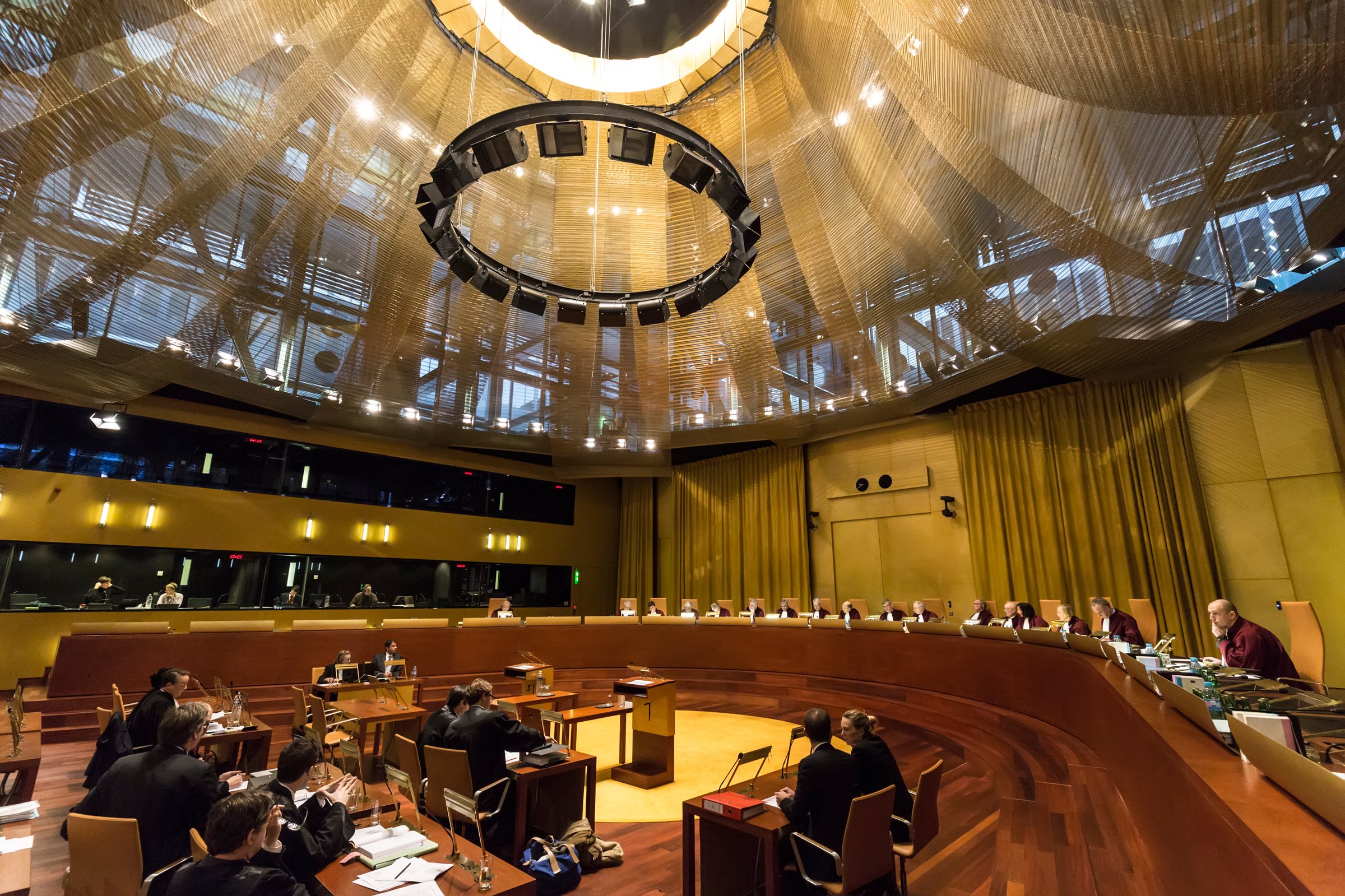
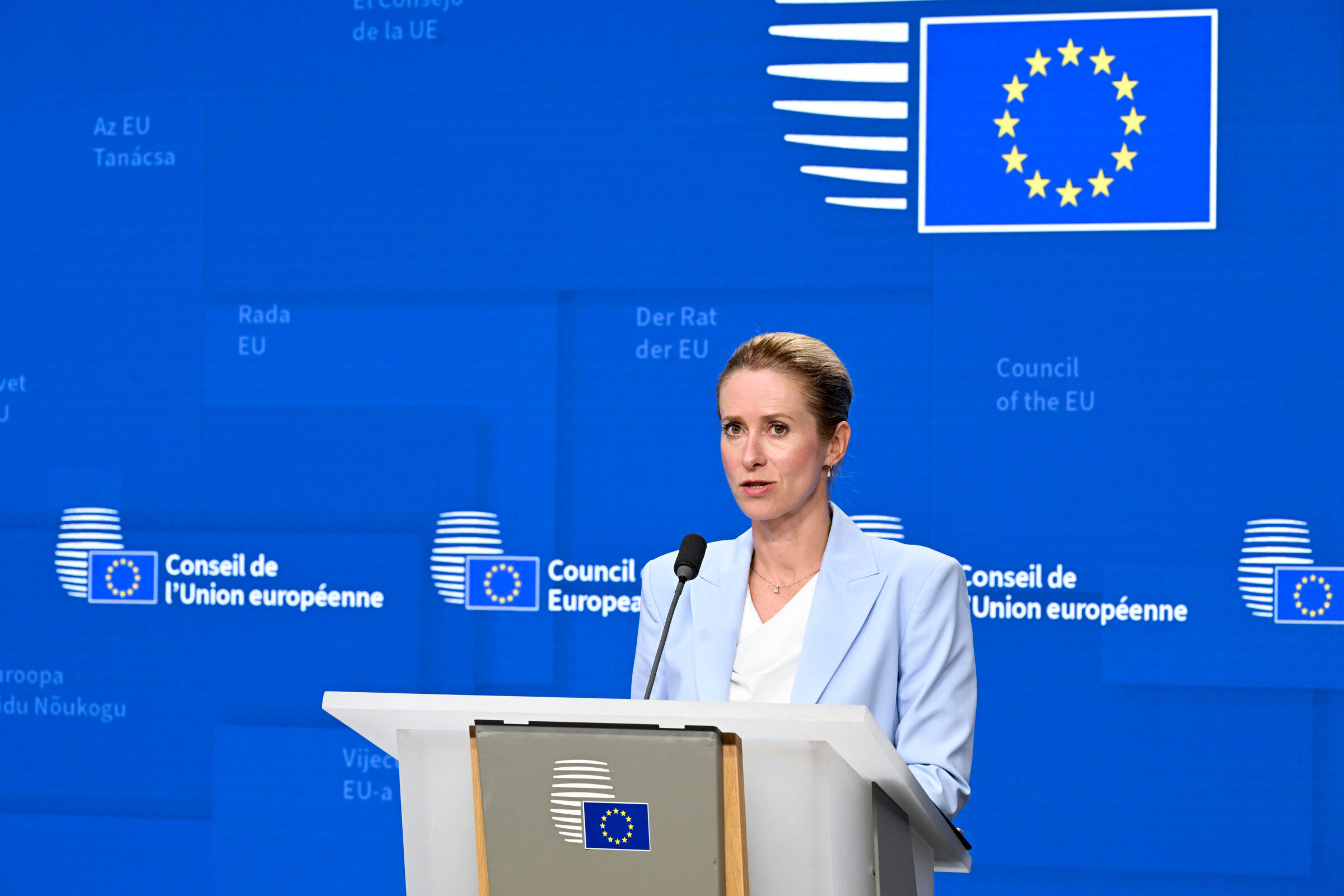

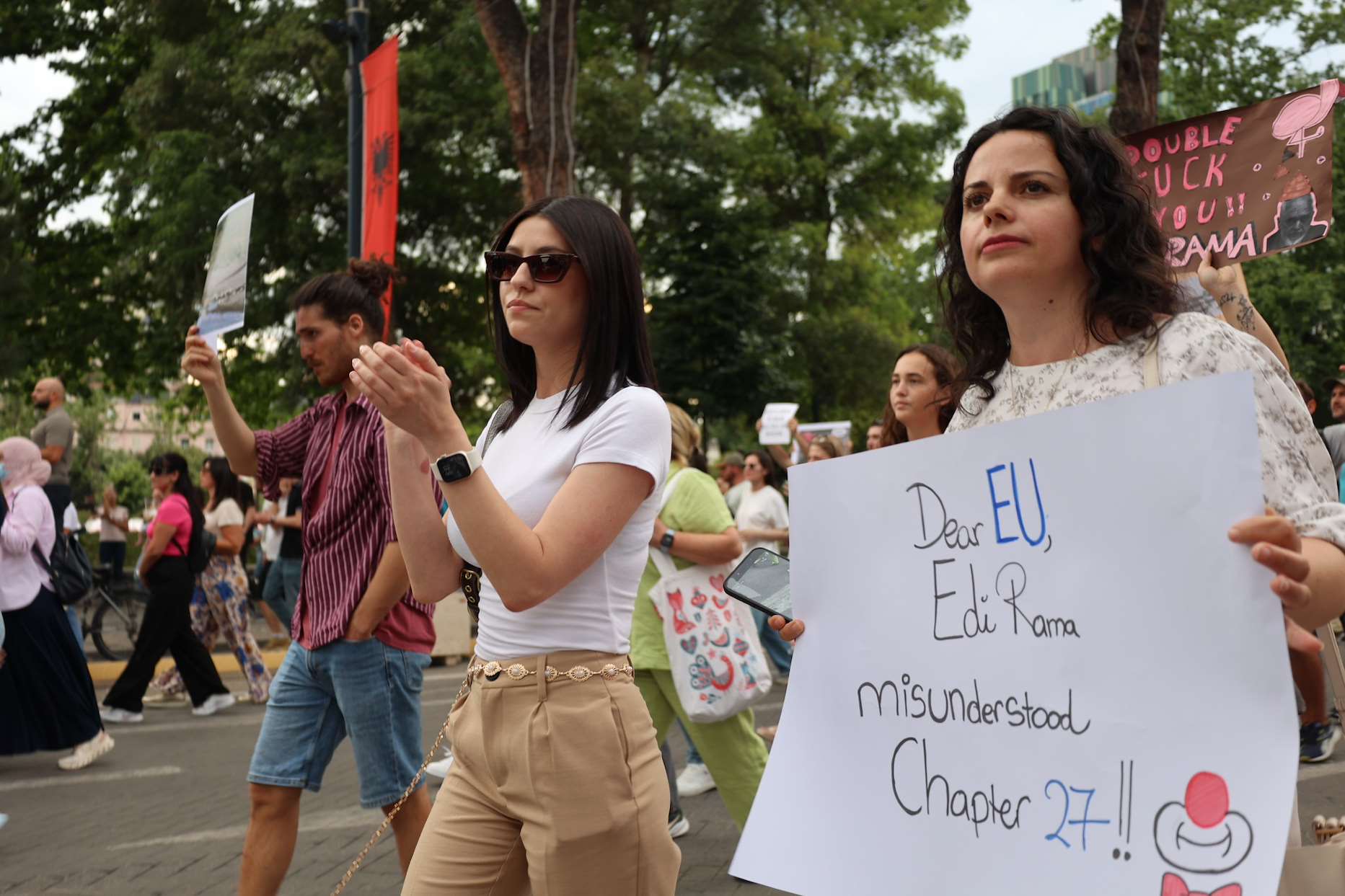


The International Criminal Court in the Hague. After nearly 25 years, the ICC has delivered fewer than 15 final judgments. If a simple case takes two decades, what can the court realistically offer to the victims of Gaza or Ukraine?
