

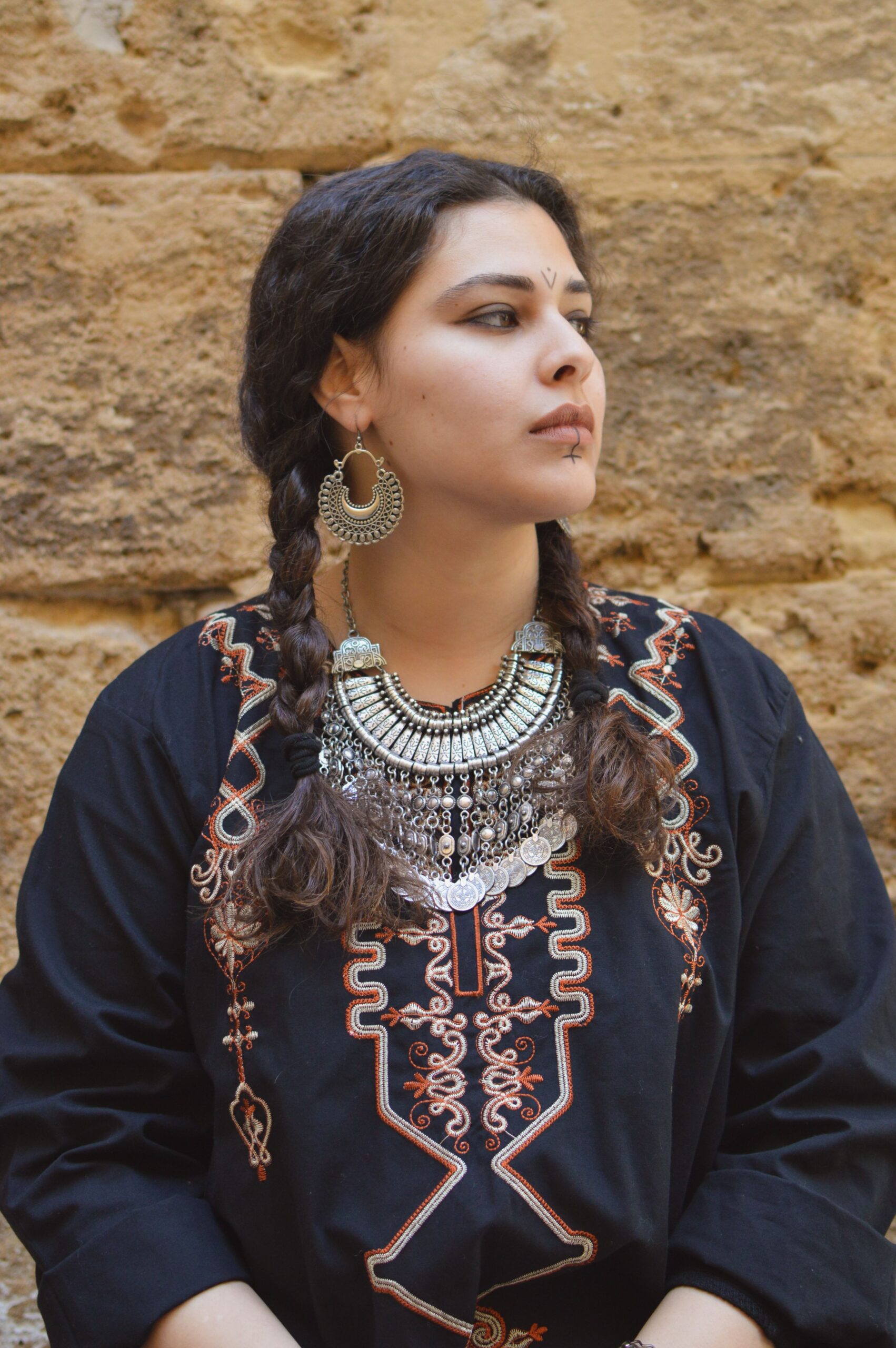
Across North Africa, Amazigh communities are rediscovering their language, culture and identity. But as a people with a long and complex history, including deep roots in North African Christianity, many are also asking what their identity means today. For Christians, this moment presents new opportunities to share the good news about Jesus.
Who are the Amazigh?
Spread throughout the vast desert regions of North Africa are the Berbers or Amazigh people (plural: Imazighen)- indigenous to North Africa. Their name means “free” or “noble” man, and they trace their history to antiquity, predating Phoenician and Roman settlement. Even today, significant communities of Imazighen are still thriving in Morocco, Algeria, Tunisia, and across Europe in diaspora communities. Their population numbers between 25-36 million and they speak unique Tamazight languages.
Christianity was established in North Africa in the early centuries after Christ, and several famous church fathers were from the region, including St Augustine, Tertullian and St Cyprian. By the 5th century there were substantial Amazigh Christian kingdoms throughout North Africa.
In the 7th century, waves of Islamic conquest destroyed these Christian communities although there was some resistance from Amazigh forces including the famous Queen Al Kahina. Slowly, Imazighen converted to Islam- some under great pressure. Others kept their Christian heritage secret by using symbols to convey their beliefs. These Christian symbols are still used today in their writing, carpet making or tattoos, although their meaning is often not understood by modern day Imazhighen. By the 14th century all traces of the Amazigh Christian communities had disappeared. However, they still maintained a unique and separate identify from their Arab neighbours, who often regarded them as outsiders.
“Christianity was established in North Africa in the early centuries after Christ, and several famous church fathers were from the region, including St Augustine, Tertullian and St Cyprian.”
There was a minor Christian revival amongst the Imazighen during and after the French Colonial period, however it was localised to the Kabyle and Rifian regions. When democracy swept North Africa, national leaders attempted to unite their countries under an Arabic identity. They encouraged Imazighen to leave their indigenous villages and move to the urban centres. At other times after independence, governments tried to minimize Amazigh culture by banning their language, forbidding the use of Amazigh first names and prohibiting Amazigh traditions, leading to great resentment which still lingers to this day.
Reaching the Amazigh people
The Amazigh are a fascinating people: rich in ancient traditions, songs and stories, yet many have little opportunity to hear the good news about Jesus. Traditionally, Imazighen have lived in fortified villages in the mountains. Very few still remain there. Most have moved down to the towns and cities to search for employment, or due to a lack of amenities in their ancient villages, which are often carved out of rock. As they experience this transition, many are reassessing their identity as well.
In recent years, in several North African countries, their language and special holidays have been recognised by the government. With this renewed focus on their culture, some Imazighen are asking themselves, “What does it mean to be Amazigh?”
Reaching Amazigh communities at this point in their history is significant. Many are re-evaluating what their Amazigh identity means, as well as their beliefs and place in society.
“As Amazigh people seek to rediscover their heritage and reassert their cultural identity, we pray that they would find their true identity in Christ, as truly ‘free’ and dearly loved children of God.”
Although most Imazighen are not aware of their Christian background, their rich legacy can become a stepping off point for new opportunities to share the gospel. The Christian symbols they use in their decorations might be keys into the culture, affecting their receptivity to the gospel.
Another way to reach the Amazigh people is through media ministry. There are many distinct Amazighen languages or dialects. Radio and digital media outreach, particularly in the more dominant dialects, can bring the gospel in a manner familiar to Imazighen and encourage the Amazigh believers.
Please pray
- That the good news would be heard and understood by Amazigh communities.
- For whole families to come to faith together.
- That God would raise up godly leaders who can disciple the Amazigh church.
- For the Amazigh youth, who face disillusionment with political and religious institutions, to find hope and purpose in Christ.
- For the church to be faithful in the midst of challenges and persecutions.
- For more workers to serve the Amazigh people.

