Tinubu: Nigeria breaking free from oil revenue dependence, targets gas-led economy
Date:
6 October 2026 9:30pm WAT
** says agriculture, manufacturing, digital economy driving diversification
*** declares “this is the decade of gas” as FG targets power, industrial growth
**** Nigeria now Africa’s leading upstream investment destination for two years
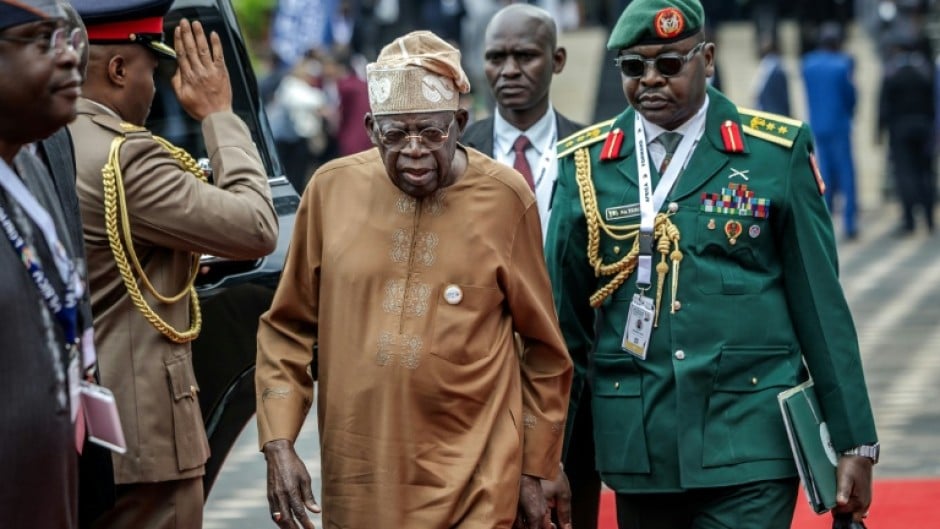
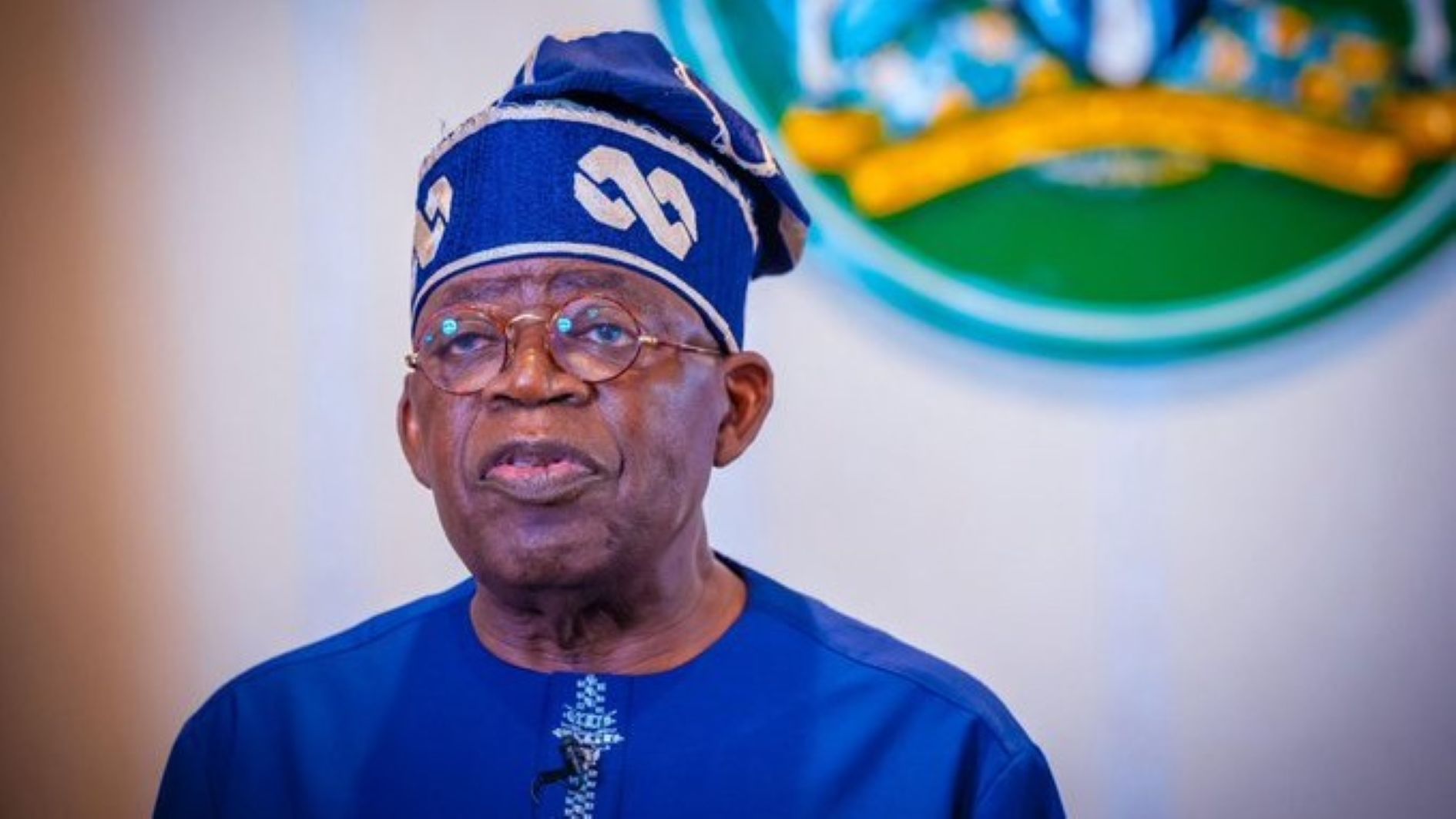
President Bola Tinubu on Tuesday declared that Nigeria was making a decisive break from decades of dependence on crude oil revenues, saying his administration had already significantly reduced oil’s dominance in the nation’s finances and would accelerate the transition towards a diversified, gas-powered economy.
The President said the objective was no longer to build an economy that merely extracts and exports petroleum re agriculture, infrastructure, jobs and investment across the country
Tinubu, who spoke in Abuja at the fifth anniversary of the Nigerian Upstream Petroleum Regulatory Commission (NUPRC), said Nigeria’s economic transformation under the Renewed Hope Agenda was being driven by growing contributions from agriculture, manufacturing, the digital economy and the creative industries.
Represented by Vice President Kashim Shettima, the President said the development of the petroleum sector remained critical to the country’s economic stability, but stressed that the government was determined to ensure that oil revenues no longer defined Nigeria’s economic fortunes.
“We have already reduced our dependence on oil revenue, and we intend to go further,” he declared.
According to him, the country’s petroleum re development
“Our gas can power homes and factories. Petroleum earnings support a stable naira and help fund the Federation,” he said.
The President’s declaration comes as his administration seeks to reposition Nigeria’s energy architecture around natural gas, describing the current period as “the decade of gas.”
“With the largest gas reserves in Africa, we will expand gas supply for power, industry and clean cooking, reduce flaring and methane emissions, and grow renewable energy alongside it,” Tinubu said.
He added that Nigeria would pursue an energy transition based on its own development realities, insisting that climate commitments must not undermine the country’s need for energy access, industrialisation and economic growth.
“Nigeria will meet its climate responsibilities without sacrificing the development and energy access our people deserve,” he said.
The President also linked the country’s changing economic structure to renewed confidence in the upstream petroleum sector, saying oil production had become more stable through the combined efforts of security agencies, operators, host communities and the NUPRC.
He said investors who had previously moved their capital out of Nigeria were returning, with the country now ranking as Africa’s leading destination for upstream investment for two consecutive years.
Tinubu said the trend demonstrated that reforms introduced by his administration and the regulatory framework established by the Petroleum Industry Act (PIA) were beginning to restore confidence in the sector.
But he warned that the government would no longer tolerate a situation in which investors enjoyed incentives without fulfilling their obligations.
“Operators who enjoy incentives must deliver on their commitments to work programmes, local content, the environment and host communities, and the Commission must also account publicly for its own performance,” he said.
He further pledged to protect the sanctity of contracts and ensure that disputes were resolved quickly and fairly, arguing that regulatory certainty remained essential to attracting long-term capital into the sector.
The President said the PIA had provided the foundation for reform but acknowledged that legislation alone could not guarantee investment.
He said investors had complained about high operating costs, delays in contracting and uncertainty over fiscal terms for complex projects.
“Investors told us plainly that good rules were not enough while costs remained high, contracting took too long and fiscal terms for complex projects were uncertain. We listened, and we acted,” he said.
Tinubu therefore charged the NUPRC to make regulation more predictable and investor-friendly, describing the Commission as the “bridge between government policy and investment on the ground.”
He directed the regulator to maintain clear procedures, reliable timelines and closer coordination with sister agencies to prevent investors from being trapped by overlapping regulatory requirements.
The President also demanded that the NUPRC remain independent, fair and firm in enforcing industry standards.
Nigeria still needs more exploration
Minister of State for Petroleum Res recorded in the sector, Nigeria needed substantially more investment, exploration and additional licensing rounds to unlock its petroleum potential
Lokpobiri said the country was currently producing about 1.7 million barrels of crude oil daily and had more than 37 billion barrels of oil reserves.
He urged the NUPRC to sustain regulatory reforms and dismantle bureaucratic obstacles capable of discouraging investors.
Chairman of the NUPRC Governing Board, Senator Magnus Abe, attributed the Commission’s progress to the Tinubu administration’s reform drive and its decision to protect the regulator from political interference.
Chairman of the Senate Committee on Gas, Senator Jarigbe Agom Jarigbe, similarly said the PIA had strengthened transparency, regulatory certainty and investment prospects in the sector.
Representing the Minister of State for Petroleum ReMrs Patience Oyekunle, said the restructuring of the petroleum industry had created a clearer separation between policy, commercial and regulatory functions
She said the Federal Government remained committed to maximising Nigeria’s gas re excellence
The anniversary also featured the presentation of awards to former Directors of the Department of Petroleum Reheir contributions to reforms in Nigeria’s upstream petroleum industry