

Houston, Texas – One of the most pressing challenges Africa faces today is migration, particularly from conflict zones such as the Democratic Republic of the Congo (DRC), the Cameroons, the Sahel region, Sudan, and Ethiopia. The exodus of African migrants—many of whom risk their lives on perilous journeys to Europe or the United States through the Mexico route—is not just a matter of seeking greener pastures. It is a direct consequence of governance failures, systemic corruption, and political persecution.
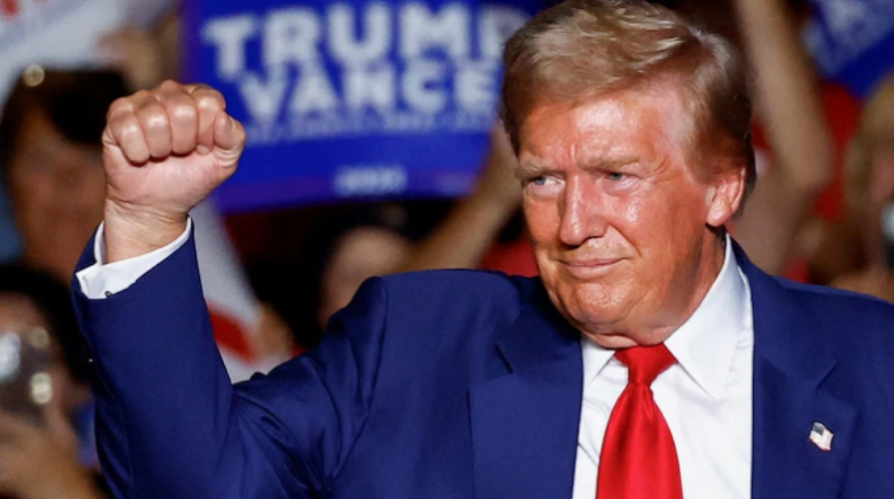
President Trump frequently highlighted Congolese migrants during his campaigns, framing them as a major issue. However, he never addressed the root cause of their migration: they didn’t come to the U.S. out of economic hardship alone. They fled war, political oppression, and violence in the Democratic Republic of the Congo. To tackle African migration effectively, U.S. policy must confront the broader forces at play. Migration is driven not by a lack of hard work, but by relentless conflict, rigged elections, and political systems that suffocate democracy. Many African leaders cling to power for decades, often through violence and repression. This entrenched autocracy forces opposition leaders into exile, thereby fueling the very migration that is often blamed.
Take Cameroon as a prime example: For eight years, the Southern Cameroons conflict has persisted, yet Paul Biya—who has ruled since 1982, and who is now 92 years old, continues to reject any meaningful dialogue. President Trump at his first coming actually sanctioned the Biya regime by withdrawing all U.S. military support and removing Cameroon from the U.S. Africa Free Trade Agreement. Since the exit of President Trump the Biya government has responded to calls for dialogue with a brutal military campaign in the Anglophone regions, resulting in thousands of deaths and nearly a million people displaced.
Many of these individuals have sought refuge in the United States, where they have family and community ties. The U.S. must recognize that migration from Africa is not merely driven by economic hardship but is deeply rooted in systemic political oppression and governance failures. It may be essential if policymakers conduct a thorough inventory to substantiate my point. One key aspect to consider is the migration patterns of individuals from African nations that have established varying degrees of democracy and freedom. Specifically, look at the number of migrants from South Africa and East Africa in comparison to those from West and Central Africa, including the Sahel, regions often plagued by dictatorships and ongoing conflicts.
The disparity in migration trends between these regions offers valuable insight into the influence of political stability and governance on migration to the United States and other parts of the world. My point is that deportations alone do not address the core issue; they merely delay an inevitable resurgence of migration. If for example, in a few years, a Democratic administration reopens the borders as widely as under President Biden, deportees would simply return. However, a strategic policy that targets leadership failures and fosters stability in these nations would create conditions that naturally discourage migration, making border policies more sustainable regardless of future political shifts in the U.S

Countering China and Russia
Trump’s policymakers should also consider the growing geopolitical competition in Africa. Historically, Bristish and French influence dominated the continent, but this hegemony is fading. The new players—China and Russia—have stepped in to fill the void, offering African governments economic incentives and military support in exchange for political alliances and resource access.
China, for instance, has positioned itself as Africa’s premier development partner, investing in critical infrastructure such as roads, hospitals, schools, and digital networks. While critics argue that Beijing’s projects often come with debt traps, it is undeniable that these investments have tangible benefits for African nations. Unlike colonial powers that extracted wealth without reinvestment, China’s approach—though self-serving—offers development in return for resource exploration.
Russia, on the other hand, has become Africa’s key military partner, supplying arms, security contractors (such as the Wagner Group), and political backing to authoritarian regimes. Many African leaders are not aligning with Russia out of ideological preference but because Russian support helps them stay in power. Moscow provides military muscle where the West hesitates, making it a valuable ally for regimes looking to suppress internal opposition.
How Can the U.S. Counter This Influence?
The Trump adminsitration must offer Africa a better deal than China and Russia. The best way to counteract Chinese and Russian presence and influence is not just through investment but through values-based engagement. Unlike Russia, the U.S. does not need to prop up dictatorships to maintain influence. Unlike China, America can engage in mutually beneficial economic partnerships without plunging African nations into debt dependence.
Key policy recommendations:
Sanctions Against Dictatorships: The Trump administration should impose stringent sanctions on African leaders who have ruled for over 15 years, rig elections, and silence opposition. These sanctions should extend not only to the leaders but to their inner circles, cutting off their financial networks and travel privileges.
Supporting Pro-Democracy Movements: Instead of merely condemning election fraud, the U.S. should actively support democratic institutions, civil society organizations, and opposition groups advocating for change.
Conditional Aid and Investments: American financial aid and trade agreements should be conditional on real governance reforms. Countries that demonstrate free and fair elections, human rights protections, and economic transparency should receive priority in U.S. investment.
Targeted Economic Partnerships: The U.S. should invest in African infrastructure projects, not through exploitative debt structures like the Chinese do but through sustainable, mutually beneficial trade agreements.
A Stronger Presence in the Gulf of Guinea: The Gulf of Guinea holds significant military and strategic importance due to its vast oil and gas reserves. Control over this region translates to immense leverage over global energy resources. Currently, China exerts dominant influence in the area, with Russia also making moves to expand its presence by enticing local leaders with military aid. U.S. policy must actively confront this growing foreign influence by deploying diplomatic pressure and offering economic alternatives that promote political transparency and stability. If the United States fails to act, it risks allowing China or Russia to secure full control over the Gulf of Guinea, with far-reaching implications for global power dynamics.
A robust African policy under the Trump administration must go beyond migration control and address the root causes driving mass displacement. America has an opportunity to counter China and Russia not by mimicking their approaches but by offering a superior, values-driven alternative. By prioritizing democratic governance, imposing targeted sanctions on autocrats, and forging equitable economic partnerships, the U.S. can regain strategic influence in Africa while promoting stability and prosperity on the continent.

