

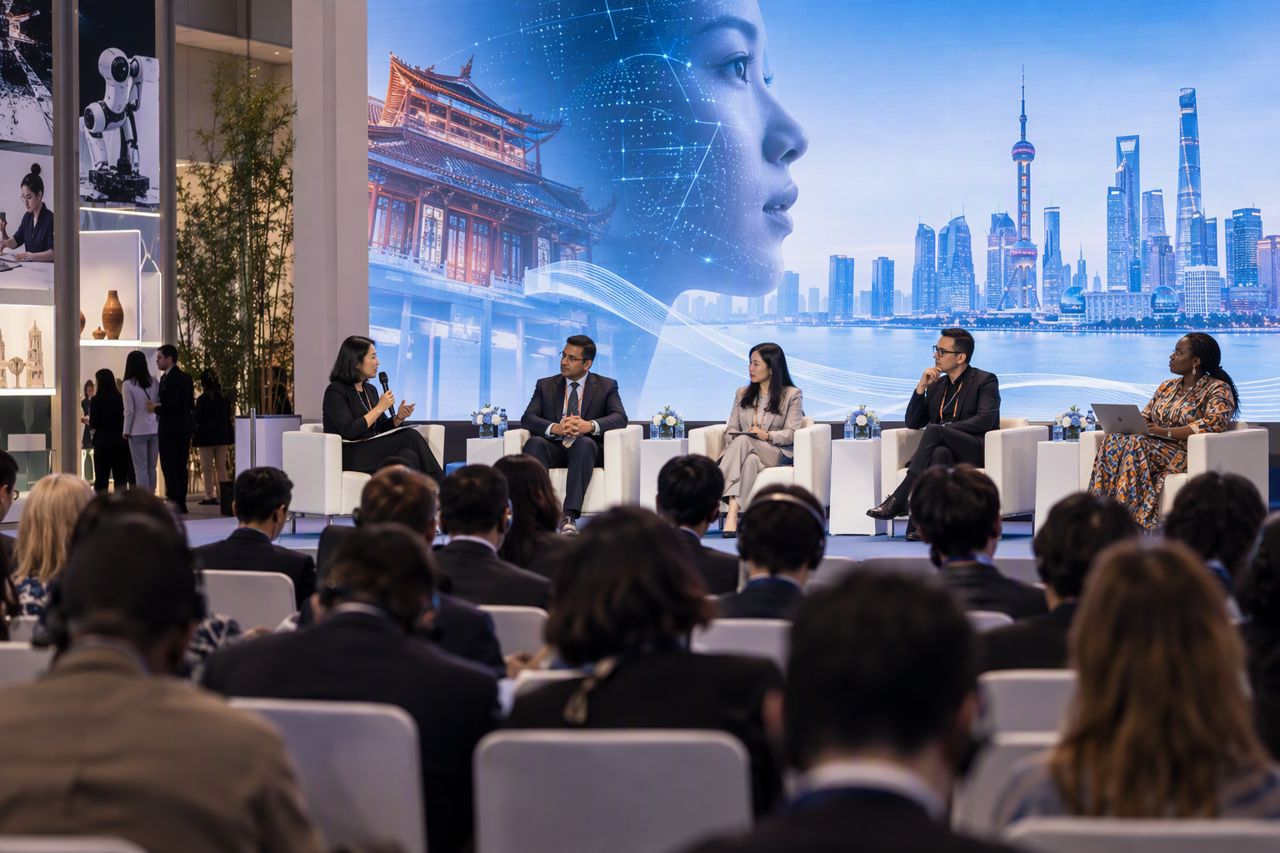
Held during the World Design Cities Conference (WDCC) under the theme “When AI Meets Design: Challenge and Practice,” the Forum brought together 17 speakers, with participation spanning 30 cities across 11 countries.
- Art & Culture
Devdiscourse News Desk
| Shanghai | China
The value of artificial intelligence in design depends on what it brings to people’s lives, from helping communities share their cultural heritage to changing how students learn and cities develop. That question shaped the UNESCO Creative Cities Design Forum, where participants examined practical uses of AI alongside the decisions needed to make the technology responsible and useful.
Held during the World Design Cities Conference (WDCC) under the theme “When AI Meets Design: Challenge and Practice,” the Forum brought together 17 speakers, with participation spanning 30 cities across 11 countries. The UNESCO Regional Office for East Asia and the Shanghai Municipal Commission of Economy and Informatization co-hosted the event, connecting experiences from culture, education, industry and urban development.
Real projects bring the discussion into focus
At the centre of the Forum was the first cycle of the multi-year “Call for Good Practice Cases: When AI Meets Design,” launched in May 2026 by the UNESCO Regional Office for East Asia in collaboration with partners in Shanghai.
The Call sought examples of work already happening on the ground, showing how AI and design could support culture, creativity, learning, sustainability and social inclusion. Selected cases represented 15 countries and 40 cities, covering areas such as cultural heritage, visitor experiences, creative industries and design education.
Presenting these projects gave participants something concrete to examine: how an approach works in a particular setting, what others might learn from it and which challenges could be shared across different places.
The initiative was conceived as a platform for identifying, documenting and learning from existing practices, giving practitioners, UNESCO Creative Cities and other partners a way to exchange knowledge without turning the process into a competition.
Human needs shape the questions around AI
Opening the Forum, Professor Shahbaz Khan, Director and Representative of the UNESCO Regional Office for East Asia, stressed that technological development must remain human-centred, ethical and inclusive as AI changes how culture is created, accessed and shared.
His message placed responsibility alongside invention. Understanding what AI can do is only one part of the work; the choices made about its design, governance and use determine how it fits into real cultural settings. Design has a role in connecting technical possibilities with people’s needs, cultural meaning and social priorities.
Dr Ai Sugiura, Programme Specialist and Head of the office’s Sciences Unit, brought together perspectives from science, culture and urban development in her keynote. She addressed openness, public understanding, trust and responsible governance, drawing attention to the conditions needed for people to engage meaningfully with AI.
Her remarks connected the Forum with the office’s continuing regional work on AI and culture, which supports evidence-based, culturally grounded dialogue about changes to cultural creation, heritage and the wider creative sectors.
Representatives from Creative Cities, cultural and design institutions, universities and industry shared their experiences throughout the day. Their discussions examined how AI interacts with creative work, education, communities and public life, where a tool’s technical capabilities cannot explain its full impact.
Shanghai supports a longer exchange between cities
Shanghai joined the UNESCO Creative Cities Network as a City of Design in 2010 and has continued to develop design-led innovation and international cooperation. Through WDCC and the UNESCO Creative Cities Design Forum, it provides a meeting place for cities, institutions and practitioners exploring connections between creativity and sustainable urban development.
The Forum gave these groups opportunities to compare experiences across cultural and institutional settings, identify common difficulties and build connections that could support further learning.
The 2026 Call is the first stage of a multi-year effort. UNESCO and its partners plan to continue documenting emerging practices, expand participation and build a community of practitioners working on responsible, inclusive and culturally grounded uses of AI and design.
The cases presented this year give that work a practical starting point, rooted in projects that other cities and institutions can study, discuss and learn from.
READ MORE ON
World Design Cities ConferenceResponsible AIDesignShanghaiArtificial IntelligenceCreative IndustriesCultural HeritageUNESCOSustainable Urban DevelopmentUNESCO Creative Cities

