


Between 1995 and 2025, the Republic of Korea inscribed 17 sites to the UNESCO World Heritage List — 15 cultural and two natural. Together they span the arc of the Korean story: prehistoric rock art and Bronze Age dolmen fields; the confederacies and three kingdoms of antiquity; the Buddhist golden age of Silla; the palaces, tombs, fortresses, villages, academies and monasteries of the Joseon court; and, in Jeju’s lava tubes and the “getbol” tidal flats, landscapes of global natural importance.
Each was judged to hold Outstanding Universal Value: significance so exceptional that it belongs not to one nation but to all humanity.
The list below introduces all UNESCO World Heritage sites in Korea and what UNESCO values most in each.

1. Seokguram Grotto and Bulguksa
Built in the 8th century under the Silla kingdom on Mount Tohamsan, this complex gives Buddhist belief physical form: a granite grotto enshrining a serene Sakyamuni Buddha ringed by finely carved deities, beside Bulguksa’s terraces and pagodas. UNESCO prizes it above all as a masterpiece of East Asian Buddhist art, uniting artistic perfection with ingenious engineering. Inscribed in 1995.
Seokguram Grotto — 238 Seokgul-ro, Gyeongju, North Gyeongsang Province
Bulguksa — 385 Bulguk-ro, Gyeongju, North Gyeongsang Province
2. Haeinsa Janggyeong Panjeon, the Depositories for the Tripitaka Koreana Woodblocks

On Gayasan, the 15th-century Janggyeong Panjeon depositories house the Tripitaka Koreana — some 80,000 woodblocks carved between 1237 and 1248 and revered for their accuracy and artistry. What UNESCO values most is the conservation genius of the buildings themselves, whose natural ventilation and humidity control have protected the blocks for 500 years. Inscribed in 1995.
Location: 10 Chiin-ri, Gaya-myeon, Hapcheon-gun, South Gyeongsang Province

Jongmyo houses the spirit tablets of the Joseon kings and queens and once asserted the dynasty’s legitimacy through royal ancestral rites. The oldest and most authentic Confucian royal shrine, it maintains its original layout. UNESCO prizes above all its living authenticity — the Jongmyo Jerye rites, with their music and dance, are still performed today. Inscribed in 1995
Location: 157, Jong-ro, Jongno-gu, Seoul

Ordered by King Taejong in the early 15th century, Changdeokgung set its palace buildings within a garden shaped to the terrain by “pungsu” (Korean geomancy) principles, with the celebrated rear Biwon, or Secret Garden in English. What UNESCO values most is its harmony with nature — an outstanding East Asian palace adapted to, rather than imposed on, its landscape. Inscribed in 1997.
Location: 99, Yulgok-ro, Jongno-gu, Seoul

Built in the late 18th century by King Jeongjo around Suwon, Hwaseong’s 5.74-kilometer walls, gates and towers were designed by the scholar Jeong Yak-yong. UNESCO prizes it above all as the pinnacle of 18th-century military architecture — a concrete example of scientific and engineering exchange between Europe and East Asia. Inscribed in 1997.
Location: 320-2 Yeonghwa-dong, Jangan-gu, Suwon-si, Gyeonggi Province

The Gyeongju Historic Areas, consisting of five belts, contain a remarkable concentration of outstanding examples of Korean Buddhist art — sculptures, reliefs, pagodas, and the remains of temples and palaces from the 7th to 10th centuries. Gyeongju was the capital of the Silla kingdom, one of Korea’s Three Kingdoms, which ruled the peninsula for nearly a thousand years (57 BCE–935 CE), unified much of it in the 7th century, and ushered in a golden age of Buddhist culture. What UNESCO values most is its remarkable concentration of Silla monuments, bearing outstanding testimony to a millennium of cultural achievement. Inscribed in 2000.
Location: 53 Hwangnam-dong, Gyeongju, North Gyeongsang Province
7. Gochang, Hwasun and Ganghwa Dolmen Sites

These three prehistoric cemeteries hold the highest density and greatest variety of dolmens on Earth — megalithic tombs of the 1st and 2nd millennia BCE, with nearby quarries showing how the great capstones were raised. UNESCO prizes them above all because the global megalithic phenomenon is nowhere more vividly illustrated. Inscribed in 2000.
– Location: 317 Bugeun-ri, Hajeom-myeon, Ganghwa, Incheon
8. Jeju Volcanic Island and Lava Tubes


Jeju Volcanic Island and Lava Tubes, comprising three sites and 18,846 hectares, is Korea’s first natural World Heritage site. It includes the Geomunoreum lava tube system, which UNESCO calls the finest cave system of its kind in the world, the dramatic Seongsan Ilchulbong tuff cone rising from the sea, and Hallasan. What UNESCO values most is the rare geological importance and beauty of the lava tubes, set within the striking natural scenery.Inscribed in 2007.
Seongsan Ilchulbong — 78 Seongsan-ri, Seongsan-eup, Seogwipo-si, Jeju-do
Manjanggul — 182 Manjanggul-gil, Gujwa-eup, Jeju-si, Jeju-do
9. Royal Tombs of the Joseon Dynasty

Reflecting Joseon-era values of filial piety and royal courtesy, the Royal Tombs of the Joseon Dynasty represent more than 5,000 years of Korea’s royal burial tradition. Following the principles of pungsu, all 42 royal tombs were built with mountains behind them and water in front, within approximately 39 kilometers of the Joseon capital, Hanyang, present-day Seoul. Detailed records of the tomb’s construction and ancestral rites carry the tradition to the present day. A total of 40 well-preserved royal tombs, except the two in North Korea, were inscribed on the UNESCO World Heritage List in 2009.
– Location: Uireung Royal Tomb — 146-35 Hwarang-ro 32-gil, Seongbuk-gu, Seoul
10. Historic Villages of Korea: Hahoe and Yangdong


Dating from the 14th and 15th centuries, Hahoe and Yangdong are Korea’s oldest historic lineage villages that preserve the traditional lifestyle of the Joseon-era “yangban,” or noble class. Located in the southeastern region, the villages reflect the social hierarchy and Neo-Confucian values of the time. Built according to pungsu, they are nestled between mountains and bodies of water. Historic houses, gardens and schools remain in tact, while the traditional customs, plays and arts continue today. The villages were inscribed in 2010.
Hahoe — 186 Jeonseo-ro, Pungcheon-myeon, Andong, North Gyeongsang Province
Yangdong — 91 Yangdongmaeuran-gil, Gangdong-myeon, Gyeongju, North Gyeongsang Province

Namhansanseong, meaning Namhan mountain fortress, served as an emergency capital during times of war in the Joseon era. Originally dating back to the 7th century and later expanded in the 17th century, the fortress was built to defend the kingdom against foreign invasions. Inscribed in 2014, the fortress is regarded as an excellent example of a fortified city that incorporated advanced 7th-century East Asian military engineering.
– Location: 731, Namhansanseong-ro, Namhansanseong-myeon, Gwangju, Gyeonggi Province

From 18 BC to 660 CE, the Baekje kingdom was one of the three earliest kingdoms formed on the Korean peninsula alongside Goguryeo and Silla. Known for its cultural flourish, the Baekje Historic Areas comprise eight archaeological sites across Gongju and Buyeo County in South Chungcheong Province, and Iksan in North Jeolla Province. The areas illustrate the Baekje kingdom’s rich culture and arts from the 5th and 7th centuries. Inscribed in 2015, they also demonstrate Baekje’s active cultural exchanges with neighboring regions, including China and Japan, and how culture spread through Eastern Asia.
-Location: Gongsanseong Fortress — 280 Ungjin-ro, Ungjin-dong, Gongju, South Chungcheong Province
13. Sansa, Buddhist Mountain Monasteries in Korea

Sansa, which translates to “Mountain (san) temple (sa),” are living centers of Korean Buddhist tradition where both tangible and intangible heritage continue to thrive. Inscribed in 2018, the seven Buddhist monasteries — Tondgosa, Buseoksa, Bongjeongsa, Beopjusa, Magoksa, Seonamsa and Daeheungsa — have preserved centuries-old Buddhist practices, rituals, studies and training, while embracing Indigenous Korean beliefs. Built in harmony with the surrounding mountains, sansas are constructed asymmetrically and atypically — a distinctively Korean trait in Buddhist architecture. Inscribed in 2018.
– Location: Beopjusa — 405 Beopjusa-ro, Songnisan-myeon, Boeun-gun, North Chungcheong Province
14. Seowon, Korean Neo-Confucian Academies
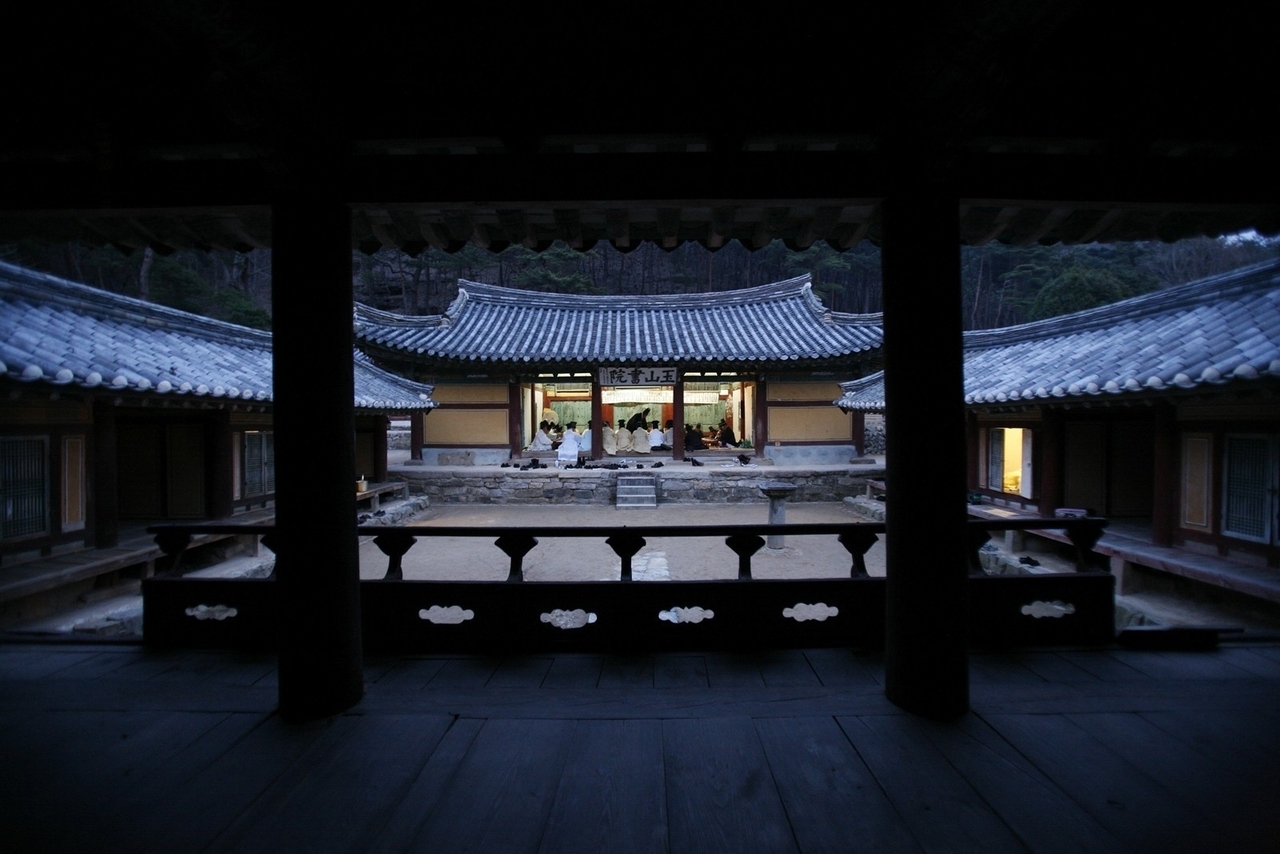
“Seowon” were Neo-Confucian academies established by local scholars in the Joseon era. Nine academies, built between the mid-16th and mid-17th centuries, were inscribed together in 2019 as a serial World Heritage property. Located across different regions, they served as educational centers that spread Neo-Confucian ethics, which were fundamental to Joseon culture. Each academy includes a lecture hall, a shrine honoring respected scholars and pavilions carefully integrated into the surrounding natural landscape.
– Location: Oksan Seowon — 216-27 Oksanseowon-gil, Angang-eup, Gyeongju, North Gyeongsang Province
15. Getbol, Korean Tidal Flats
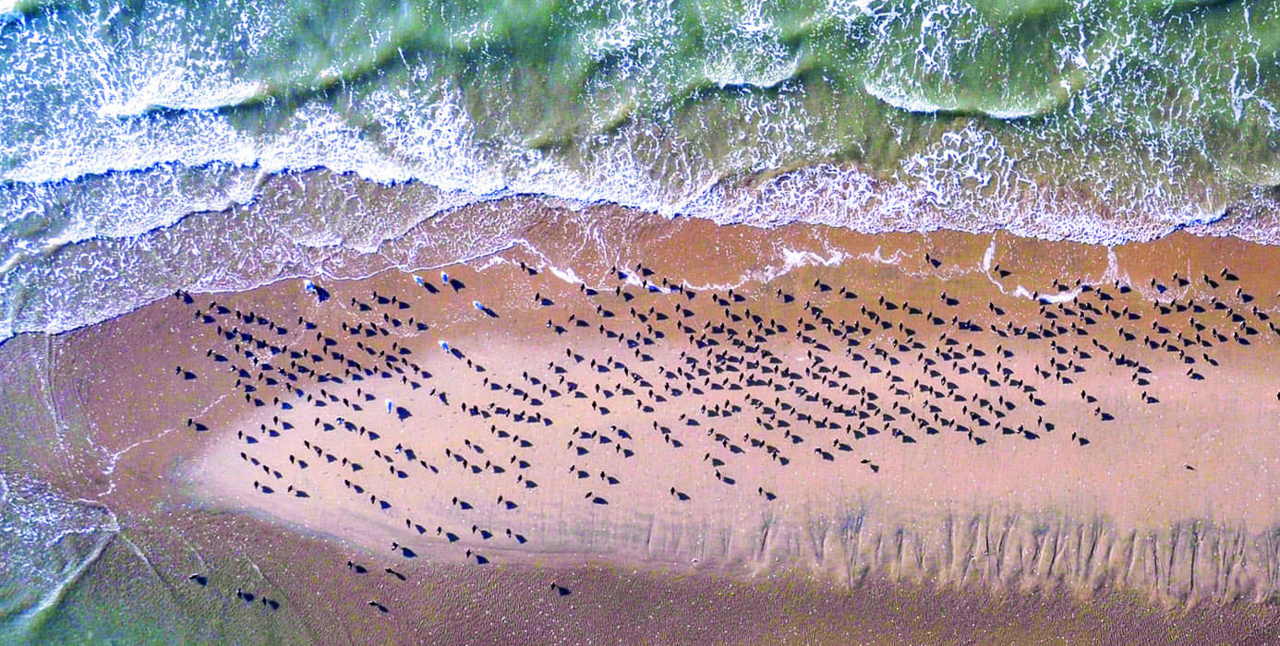
“Getbol,” or tidal flats, stretch along the eastern coast of the Yellow Sea and the southwestern coast of the peninsula. The property consists of four representative regions that showcase diverse geological and oceanographic characteristics. These ecosystems support high biodiversity with 2,150 species of flora and fauna, including 22 globally endangered species. They are especially important for migratory birds and marine invertebrates and have long sustained the livelihoods of coastal communities. The property was inscribed in 2021.
– Location: Yubudo-gil 6beon-gil, Janghang-eup, Seocheon-gun, South Chungcheong Province
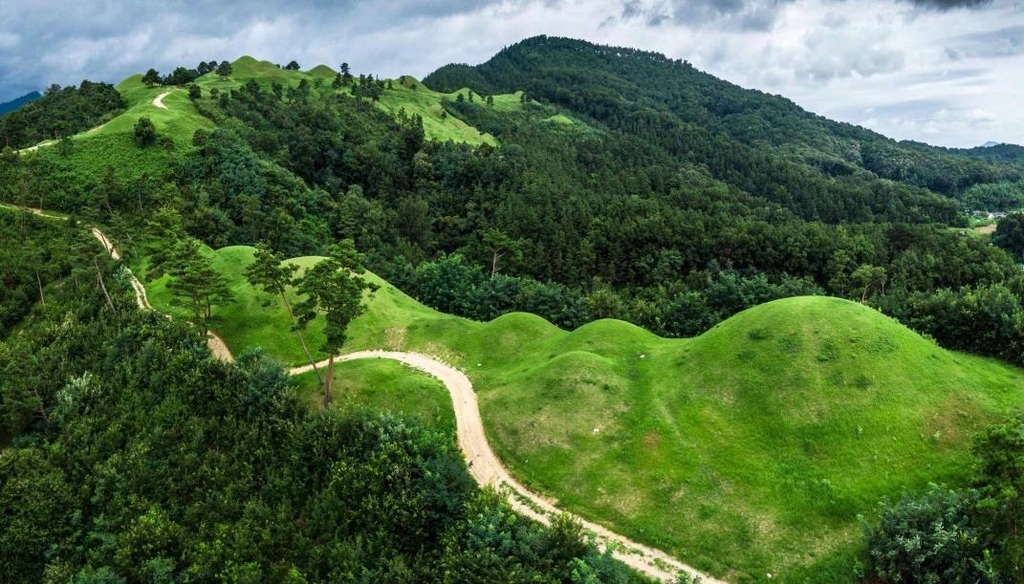
The Gaya Tumuli comprise seven groups of burial mounds built by the Gaya confederacy between the 1st and 6th centuries across southern Korea. These royal cemeteries reveal Gaya’s unique confederacy system that maintained an autonomous and horizontal political structure. The tumuli feature distinctive stone chamber tombs and burial artifacts such as pottery, illustrating Gaya’s advanced craftsmanship and funerary culture. The heritage was inscribed in 2023.
– Location: Jisan-ri, Daegaya-eup, Goryeong-gun, North Gyeongsang Province
17. Petroglyphs along the Bangucheon Stream
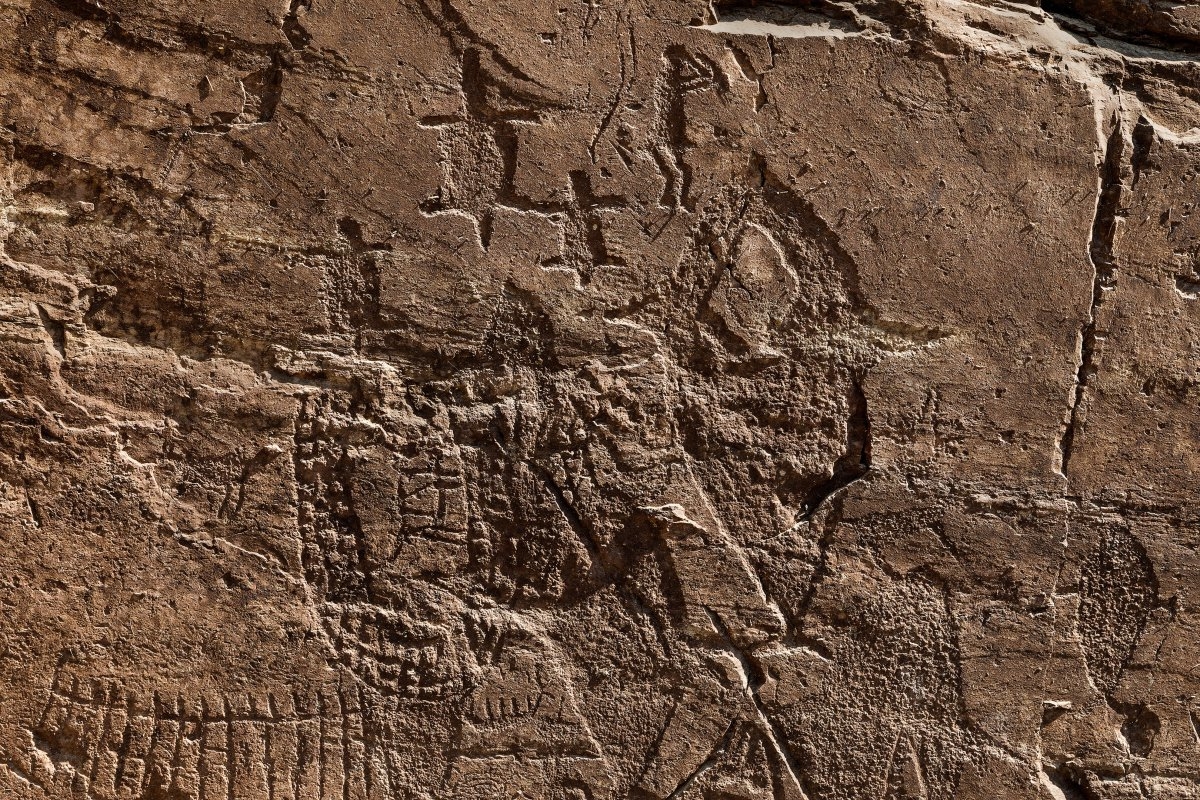
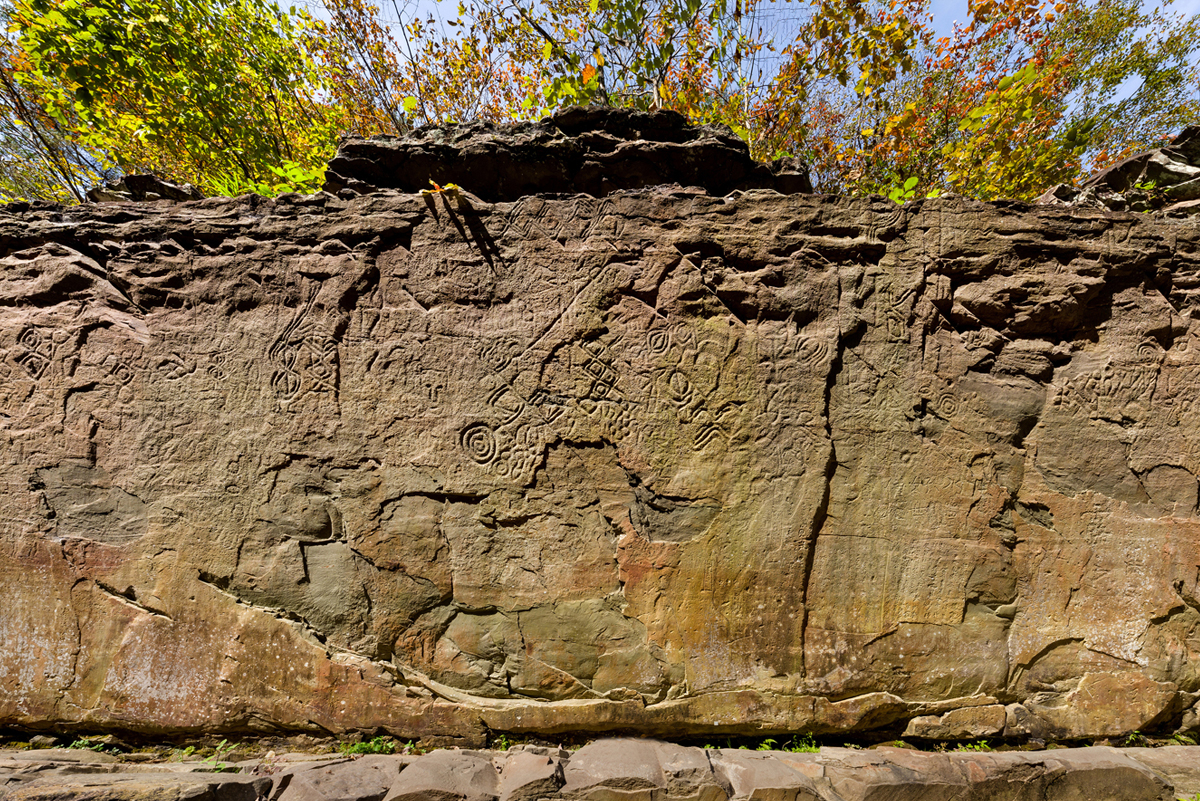
The Petroglyphs along the Bangucheon Stream include the Bangudae Petroglyphs in Daegok-ri and the Cheonjeon-ri Petroglyphs and inscriptions, both located in Ulju, Ulsan. Inscribed in 2025, the property preserves an exceptional record of artistic traditions spanning approximately 6,000 years. The engravings vividly depict historic daily life, including hunting and rituals, as well as remarkable collections of unique whale-hunting scenes. UNESCO recognized the site for its outstanding artistic quality and its unique insight into the lives, beliefs and environment of prehistoric communities along Korea’s southeastern coast.
Bangudae Terrace in Daegok-ri — 991-3 Daegok-ri, Eonyang-eup, Ulju-gun, Ulsan
Petroglyphs of Cheonjeon-ri — 210-2, Cheonjeon-ri, Dudong-myeon, Ulju-gun, Ulsan
Intern reporter Lee Yun-ji contributed to this article. — Ed.
gypark@heraldcorp.com
mjcha@heraldcorp.com
