

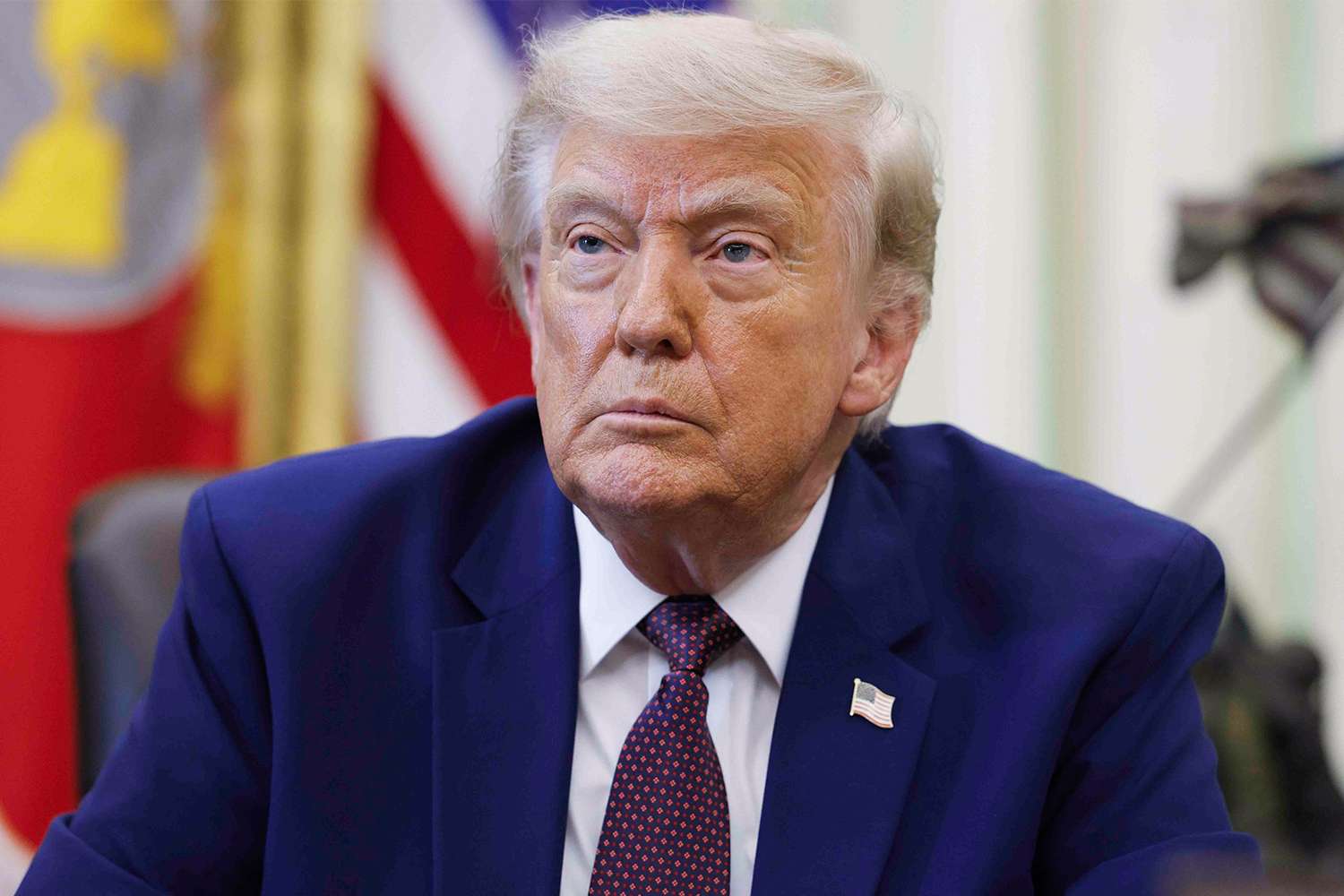
Let me tell you about a deal so cynical, so morally bankrupt, that it deserves to be named for exactly what it is: a transaction between two governments that decided human beings were a currency to be traded.
Yaounde, Cameroon – In December 2025, through an exchange of diplomatic notes that was never announced, never debated, never submitted to any legislature for scrutiny, the Trump administration and the Biya government in Yaoundé quietly agreed that Cameroon would accept deportees from the United States — not Cameroonian citizens, not people with any connection to Cameroon whatsoever, but nationals of entirely different countries whom America could not legally send home. The agreement stipulated that Cameroon would “treat any third-country nationals transferred from the United States in a manner consistent with its international legal obligations” and that individuals would not face persecution or torture — either in Cameroon or in any country to which Cameroon might further transfer them. Beautiful words on paper. What happened in practice was something else entirely.
Between January 15 and May 27, 2026, four deportation flights landed in Yaoundé carrying a total of 36 men and women from Angola, the Democratic Republic of Congo, Ghana, Morocco, Zimbabwe, Ethiopia, Eritrea, Mauritania, Chad, and at least one stateless individual. None of them had ever lived in Cameroon. None of them spoke its languages. None of them had family there. They were loaded onto American government aircraft in handcuffs and chains, some reportedly learning their destination only after the plane was already in the air, and deposited in a country they had no connection to, as though they were parcels being rerouted by a postal service that had run out of options.
The vast majority had been granted legal protection by U.S. immigration courts. Withholding of Removal status, or protection under the Convention Against Torture, findings that those same courts had determined they would more likely than not face persecution or torture if returned home. The United States government took those court decisions, looked at them carefully, and then flew the people anyway to a country that had agreed, for reasons that deserve examination, to take them.
What were those reasons? Two days before the first deportation flight left for Cameroon on January 14, 2026, the U.S. State Department announced a $30 million payment to the United Nations refugee programme in Cameroon. According to funding documents, that payment was made specifically in support of the deportation agreement. A U.S. official described it as part of an emerging pattern of withholding country-specific UN programme funds as leverage in deportation negotiations. Washington paid Yaoundé — not directly in cash, but in diplomatic protection and UN funding, to take people that America’s own courts had ruled could not be legally deported.
The Biya government took the money and the silence. When Biya won a disputed presidential election in October 2025, and his security forces killed dozens of protesters in the crackdown that followed, the Trump administration congratulated Biya for the victory. Then, the flights came. The people were locked up.
What are their conditions? Since arriving in Yaoundé, the deportees have been held at a detention facility in the Elig Esono neighbourhood of the capital, denied identity documents, denied clear legal status, and subjected to restrictions on their movement. None have been charged with any crime under Cameroonian law. Some have already been pressured or forced onward — two of the Moroccan nationals, who had been granted protection in the U.S. specifically because they faced persecution at home for being gay, were returned to Morocco, where they faced exactly the abuse American courts had feared. One was repatriated via Morocco on Christmas Day 2025. Christmas Day.
Now FRULAW CHAMBERS, a law firm led by Barrister Joseph Awah Fru, has filed a landmark petition before the Administrative Court of the Centre Region in Yaoundé, demanding the court suspend any further implementation of the arrangement, compel the government to provide the detainees with legal status, and block any onward removal to countries where they face persecution or torture. The case raises, for the first time in Cameroonian courts, fundamental questions about non-refoulement, arbitrary detention, and whether a secret diplomatic note — never ratified, never published, never debated, can override a country’s constitutional and international obligations. It cannot. And a court will now have to say so.
But to be very direct about what this reveals, because both governments deserve their full indictment. Cameroon is a country that cannot provide electricity, roads, or basic security to its own citizens. It is a country whose military is burning the villages of Southern Cameroonians and filling prisons with political opponents. It is a country whose president has been absent for two months and counting, reportedly bedridden in Geneva, while forged decrees circulate in his name. And this government — this hollow, discredited, morally exhausted government, agreed to jail human beings from nine other countries in exchange for diplomatic cover and a redirected UN cheque. That is not governance. That is a racket. Cameroon did not become a partner of the United States. It became its subcontractor in the business of human disposal.
US hypocrisy that defines its Africa policy
And now for the United States — or more precisely, for the Trump administration and the breathtaking hypocrisy that defines its Africa policy.
In October 2019, during his first term, Donald Trump personally notified Congress of his decision to strip Cameroon of its AGOA trade privileges, citing “persistent gross violations of internationally recognised human rights” — specifically extrajudicial killings, arbitrary detention, and torture committed by Cameroonian security forces. Trump’s own Trade Representative declared: “The U.S. government remains deeply concerned about persistent gross violations of human rights being committed by the Cameroonian government against its own citizens.” Those sanctions were never lifted. The human rights abuses were never resolved. The Southern Cameroons/Ambazonia war has continued to claim lives every year since.
And then, in December 2025, the same Donald Trump, the same administration that sanctioned Cameroon for torturing people, signed a secret deal to send human beings to that same government’s custody. Human beings who had been granted protection by American courts. Human beings, some of whom were fleeing persecution for their sexuality. Delivered to a government whose own record on those exact issues had been formally condemned by Washington six years earlier. The sanctions are still in place. The abuses never stopped. And America went back anyway — not to hold Cameroon accountable, but to use it.
This is the hypocrisy of the West I have written about and spoken about for years. It is not occasional or accidental. It is structural. Human rights are a tool to be deployed when geopolitically convenient and discarded when they are not. Cameroon’s suffering mattered in 2019 when Washington needed leverage. It did not matter in 2025 when Washington needed a dumping ground.
Both governments owe answers. The court in Yaoundé is asking for some. The rest of the world should be asking too.

