

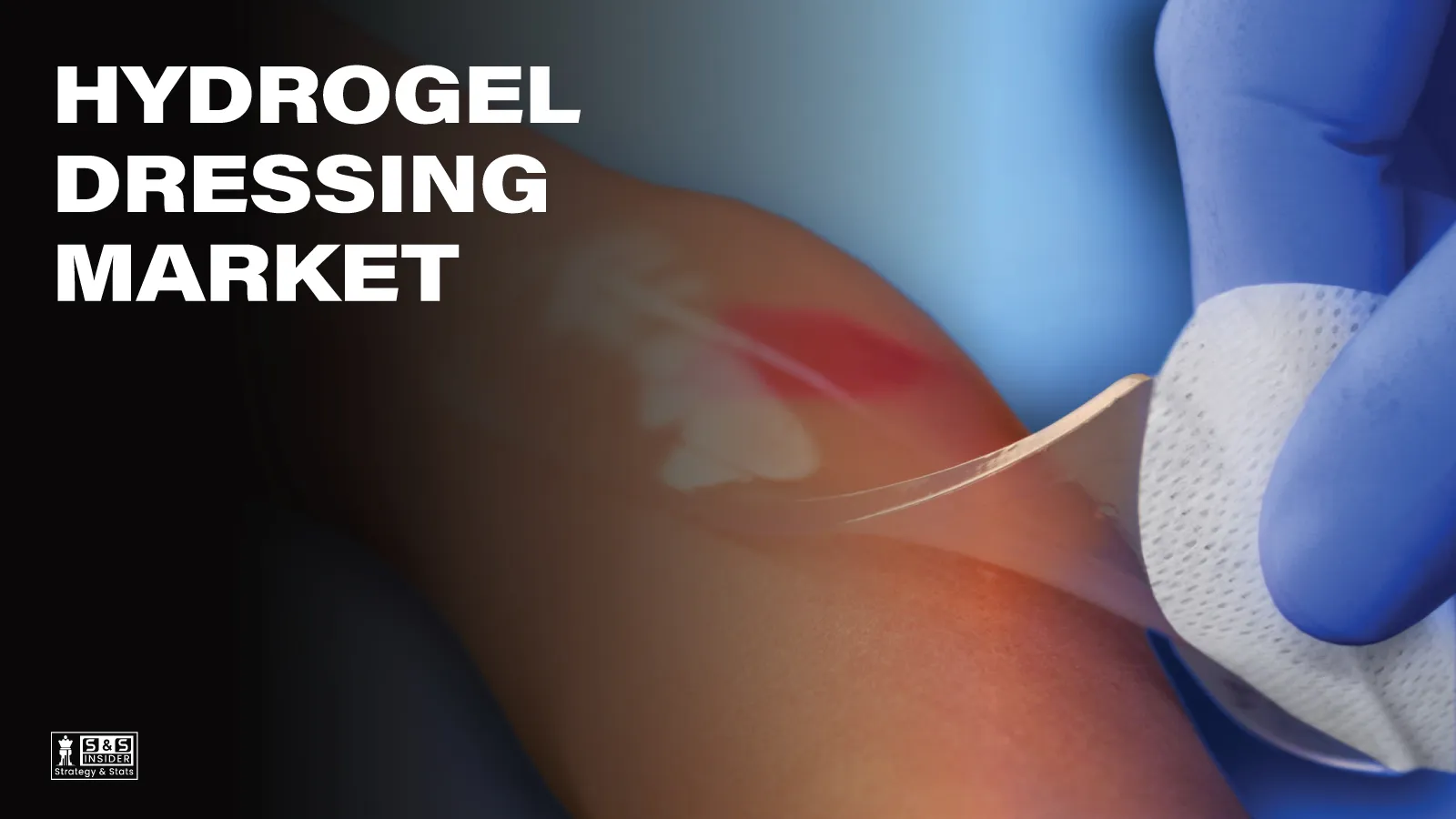
The dressing materials of hydrogel are a must-have in the treatment of wounds in Europe, which are manufactured through the use of polymer materials that consist of water or glycerin and are formed of 80-99 percent water for its cool and gel-like composition. This provides a moist environment for hydration of wounds, analgesia, and debridement of necrotic tissues. Therefore, hydrogels play an important role in the treatment of chronic wounds in Europe.
According to the findings of SNS Insider, the market value of Europe Hydrogel Dressing Market amounted to USD xx Million in 2025 and is forecast to expand to USD xx Million by 2035 at the rate of approximately xx% from 2026 to 2035. Furthermore, it is corroborated by the Global Hydrogel Dressing Market that valued USD 0.96 Billion in 2025 and would rise up to USD 1.52 Billion by 2035 at 4.71% CAGR.
To Get More Information on Hydrogel Dressing Market– Request Free Sample Report
Europe Hydrogel Dressing Market Analysis
In the year 2025, Europe was the home of a significant share in the Hydrogel Dressing Market due to well-developed national health insurance coverage as well as robust wound care technology manufacturing capability across the continent’s leading healthcare markets.
Germany’s manufacturing supremacy is seen as one of the factors driving the growth of this market in Europe. It accounted for about 27.20% of the total regional market value in 2025 owing to its presence of several medical device makers along with sound healthcare infrastructure, making it the undisputed leader of hydrogel dressing manufacturing and usage across the continent.
Market expansion is fueling growth in this market in Europe. Other countries such as France, the UK, and Italy were moving on the same lines with continuous investments in wound care technology driving up hydrogel dressing demand across Europe’s leading healthcare markets.
Top 5 Leading Hydrogel Dressing Companies
B. Braun Melsungen is a prominent German manufacturer of medical devices that enjoys a considerable reputation in the hydrogel dressings market of Europe. The expansion of the company’s high-tech wound care product line continued in 2025.
Being a German company, B. Braun takes advantage of the fact that most medical devices are manufactured in Germany, and the country has an excellent healthcare reimbursement program, which makes it easier for the company to be a reliable supplier of hydrogel dressings for European wound care facilities.
Smith & Nephew is one of the global leaders in innovative wound care technology and has a wide presence in various European healthcare markets. The firm remained committed to developing its portfolio of wound care technologies in 2025, focusing on healthcare professionals that required clinically-proven moisture management technologies for chronic wounds.
The existing distribution network of Smith & Nephew in the UK, France, and other major European markets ensures that the firm becomes an important player for hospitals and specialized clinics dealing with chronic wounds under the national health insurance schemes of Europe.
3. Lohmann & Rauscher GmbH & Co. KG
Lohmann & Rauscher is a German-based company with expertise in wound care products. Its manufacturing plant has a good connection with the medical device network of Germany, thereby providing supply assurance in hospitals and specialized clinics in the region.
Hartmann Group is one of the most renowned manufacturers of medical products and wound care products in Germany, having a robust presence in the European health care industry. This is because Hartmann Group is already an established name in the robust health care network of Germany.
The emphasis on dressing technology by the company is in line with the current trend in the European industry towards moisture-based and comfortable wound care products.
What the Future of the Hydrogel Dressing Market Holds
The future trend in the European hydrogel dressing market would be driven by the increasing incorporation of antimicrobial hydrogel dressings into innovation pipelines which provides not only moisture control but also infection prevention for European wound care providers. Rising adoption of home healthcare as an important opportunity is expected to stay on due to increasing demand from elderly patients who require better solutions for wound care outside hospital setting.
Increasing awareness of the clinical importance of combination dressings and rising preference for outpatient facilities and home healthcare rather than hospital wound care facilities continue to fuel industry adoption and manufacturers with products that are easily applicable at home could generate additional revenue streams through 2035.
Considering that Germany will account for approximately 27.20% of the European hydrogel dressing revenues by 2025 owing to the high concentration of medical devices companies in Germany and developed healthcare system, and that France, UK and Italy follow close behind, it is possible that Europe will remain one of the leading markets for hydrogel dressings through 2035 and further.

