

Feature story
Fellowship of Christian Councils in Southern Africa expresses concern over xenophobic attacks
The Fellowship of Christian Councils in Southern Africa expressed profound concern and deep sorrow over the resurgence of xenophobic attacks, discrimination, and hostility directed against foreign migrants and refugees from other African countries living in South Africa.
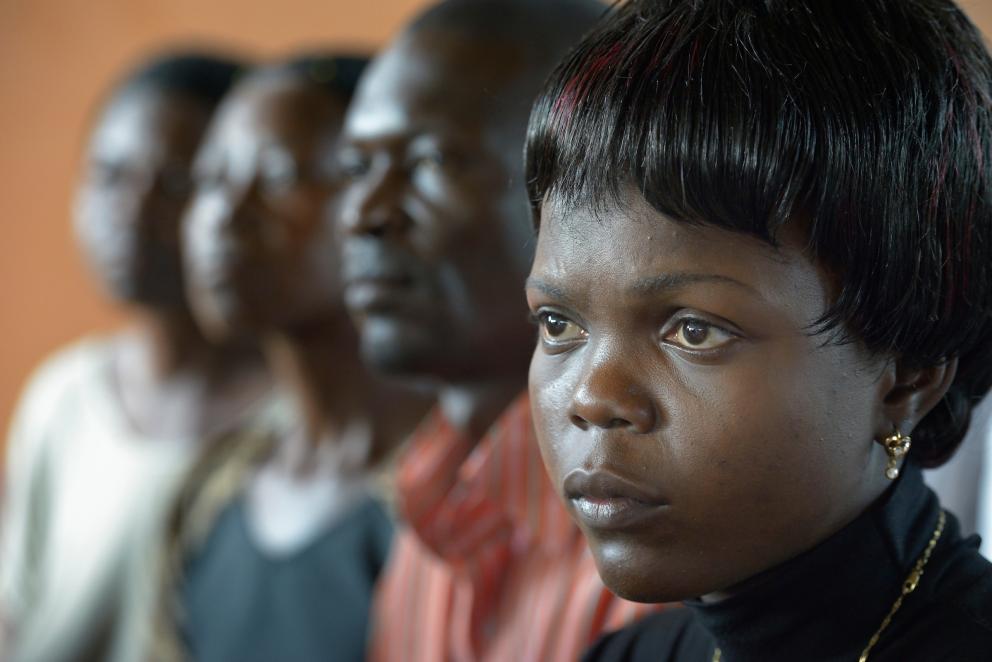
Image
Photo:
Paul Jeffrey/Life on Earth
“We are equally alarmed by the increasing incidences of hate speech across our continent in response to these xenophobic attacks,” reads a statement from the fellowship. “We acknowledge the genuine socio-economic challenges facing many communities in our region, including unemployment, poverty, inequality, and limited access to opportunities.”
However, the statement notes, such challenges must never be used to justify violence, scapegoating, discrimination, or dehumanisation
“The pain of economic hardship cannot become a licence for hatred,” reads the statement. “We further affirm that lasting peace can not be built by scapegoating migrants while the structural injustice that perpetuates poverty, inequality and exclusion remains unaddressed.”
The statement calls upon the government of South Africa to ensure the protection of all persons within its borders regardless of nationality or immigration status
It also calls on the government of South Africa to “investigate and prosecute perpetrators of xenophobic violence and hate crimes,” and to “strengthen public education initiatives that promote social cohesion, peaceful coexistence, and constitutional values.”
The statement further calls on governments across Africa to address the root causes of forced migration, including conflict, poor governance, economic injustice, climate-related displacement, and lack of opportunities
The message calls on governments across Africa to “uphold regional and international obligations relating to the protection of migrants, refugees, and asylum seekers,” and further calls on churches and faith communities to “challenge xenophobic narratives and hate speech wherever they emerge.”
The statement calls upon churches to create safe spaces for dialogue between host communities and migrant populations; and calls on political, traditional, and community leaders to “refrain from inflammatory rhetoric that fuels fear and division.”

