

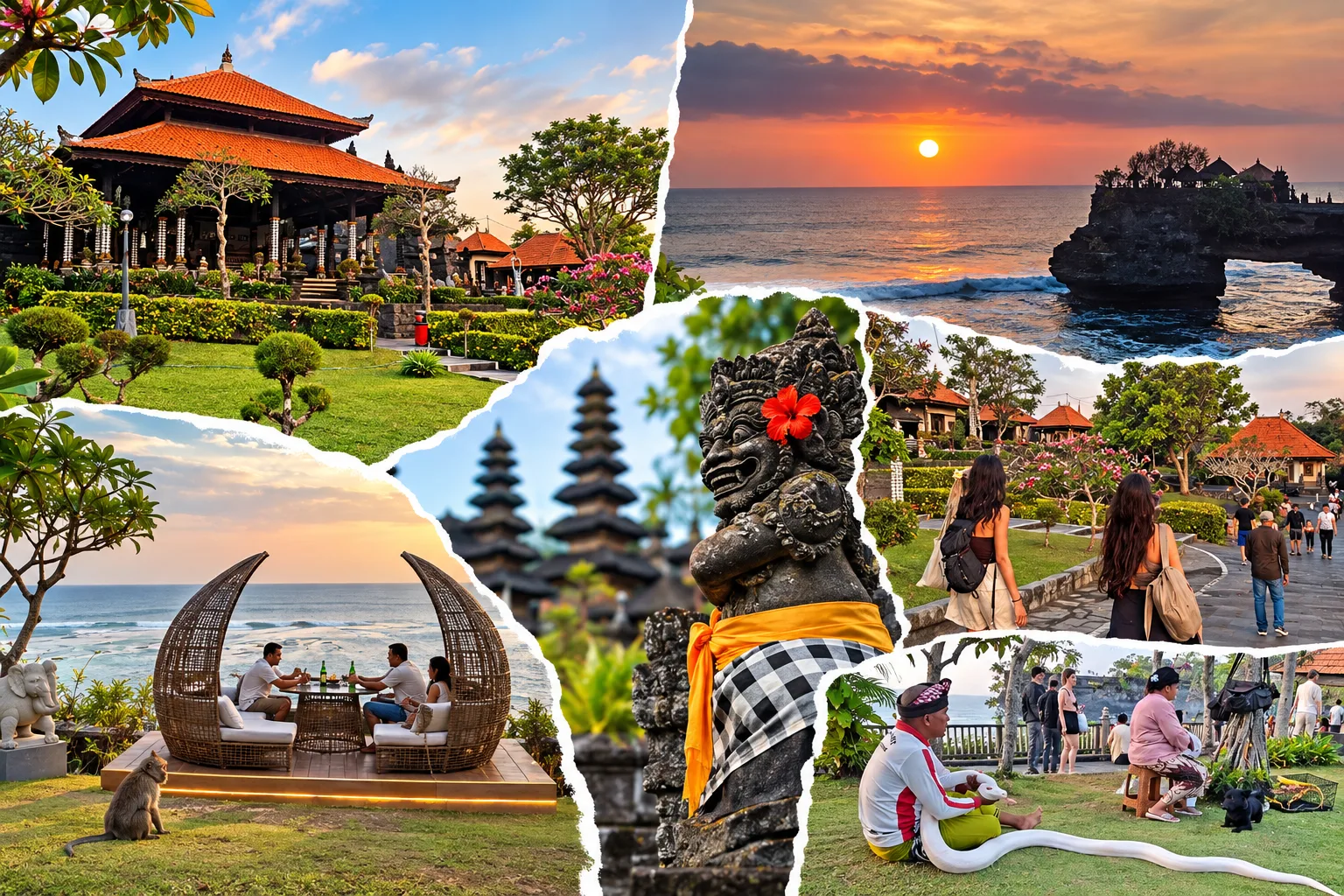
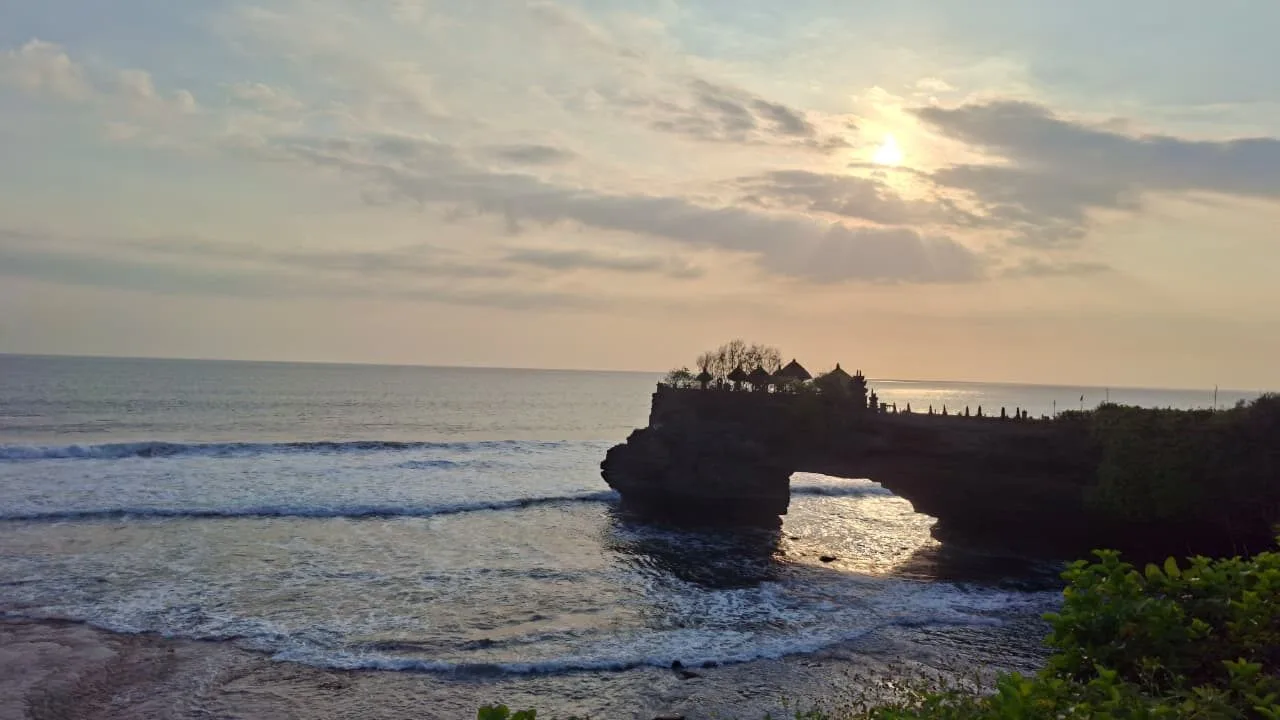
Indonesia, Sep 26 — For generations, Bali has sold the world beaches, rice terraces, temples and sunsets
But behind the island’s extraordinary tourism appeal lies an idea that is less visible to visitors and potentially more important: Tri Hita Karana, a Balinese philosophy built around harmony between people, nature and the divine.
Bali’s tourism authorities say the philosophy is not merely a cultural slogan. It shapes how the island approaches tourism, from protecting rice fields and sacred sites to regulating hotel development and requiring visitors to respect local traditions.
For Kenya and other African countries seeking to grow their tourism industries without sacrificing culture, communities and natural re
“Our philosophy is Tri Hita Karana—living in harmony with God, with fellow human beings, and with nature,” said I Wayan Sumarajaya, Director of the Bali Government Tourism Office, during a meeting with Kenyan journalists visiting the island.
The philosophy, he explained, is reflected in three relationships: harmony with God, harmony among people, and harmony with the natural environment.
It is a model that Bali has attempted to translate from philosophy into tourism policy.
“We maintain three core pillars: protecting our Nature, preserving our Culture, and supporting the People of Bali,” Sumarajaya said.
Turning culture into the attraction
The approach is particularly significant because tourism is not a marginal industry on the island.
About 66 per cent of Bali’s economy depends on tourism, according to the Bali tourism authorities, while the sector directly or indirectly supports a large share of the population.
Kande Putra, an official at the Bali chapter of the Association of Indonesian Tours and Travel Agencies (ASITA) and co-founder of PT Bali Sundaram Travel, said about 70 per cent of Bali’s population works directly or indirectly in tourism.
The figures illustrate a challenge familiar to many African destinations: how to extract economic value from tourism while ensuring that the culture, communities and landscapes attracting visitors are not destroyed by tourism itself.
“Bali tourism is cultural and agrarian tourism. Visitors observe farmers working the fields, temple ceremonies, and daily spiritual life. Why is Bali called ‘The Island of the Gods’? Because Bali has over 3,000 to 5,000 temples! Every single-family compound has its own private temple sanctuary,” Putra said.
Unlike destinations that treat culture as an add-on to a conventional beach holiday, Bali has made culture part of the tourism product itself.
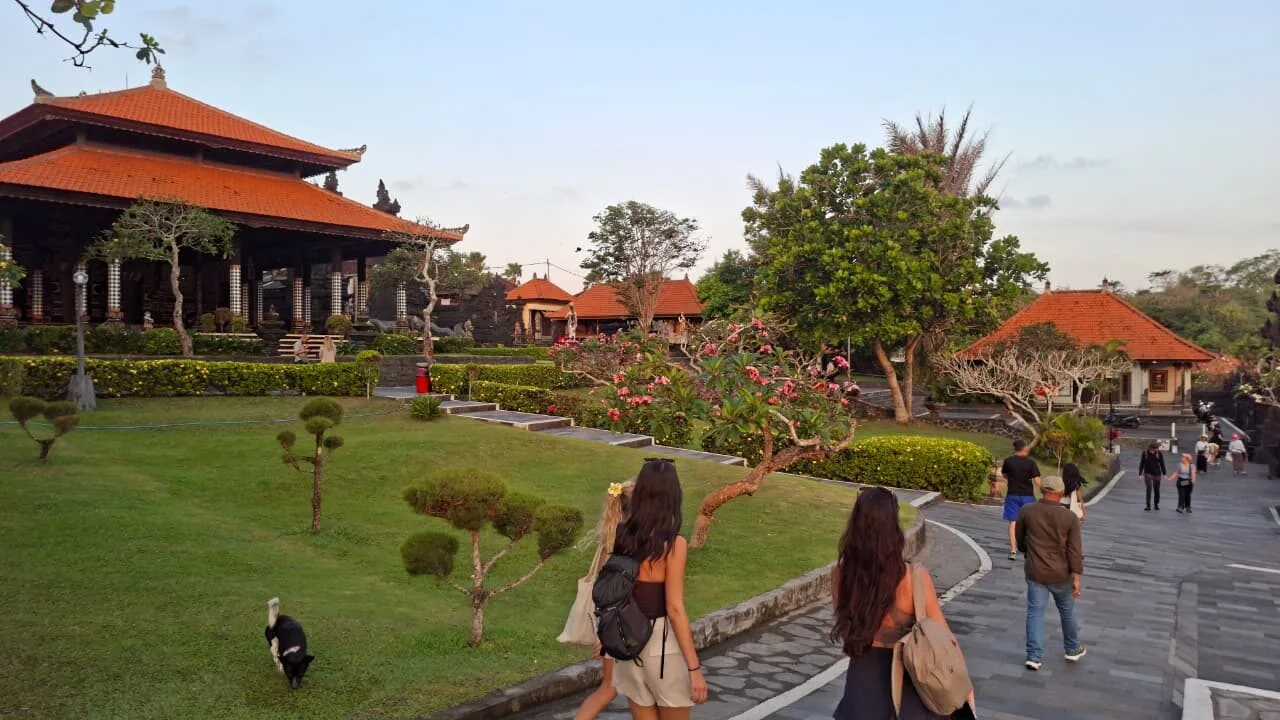
Temples, ceremonies, traditional arts, agricultural practices and spiritual life are woven into the visitor experience. Traditional ceremonies remain part of everyday life rather than being performed solely for tourists.
“The most popular attraction in Bali is our vibrant living culture and traditions—something you cannot experience anywhere else,” Sumarajaya said.
In villages around Ubud, visitors can encounter traditional ceremonies and observe aspects of Balinese life that have continued alongside the growth of the tourism industry.
That distinction matters.
The attraction is not simply a replica of an old culture constructed for tourists. It is the continued existence of a culture that tourism has learned to incorporate into its offering.
For African countries with equally diverse cultural traditions, the question is therefore not simply how to package culture for visitors, but how to ensure communities continue to own, practise and benefit from it.
A century of building the Bali brand
Bali’s global tourism reputation was not created overnight.
Tourism officials trace the beginnings of modern cultural tourism to around 1927, when foreign artists and intellectuals began visiting the island.
Among those associated with Bali’s early international exposure were German painter Walter Spies and Indian poet Rabindranath Tagore.
The royal court in Ubud played a role in welcoming foreign artists and intellectuals, while the island’s art and cultural traditions gradually reached international audiences through their writings and works.
Next year, Bali will mark what its tourism authorities describe as 100 years of cultural tourism development.
That century-long evolution offers another lesson for destinations across Africa: building a globally recognised tourism brand is a long-term process rather than a short promotional campaign.
Bali’s identity has been reinforced over decades through culture, hospitality, natural landscapes, international exposure and investment in tourism infrastructure. The result is an island with multiple global identities, from the “Island of the Gods” to the “Island of Paradise”, while retaining a strong association with Balinese culture.
The difficult part: managing success
Bali’s success, however, has created its own problems.
More visitors mean greater pressure on land, roads, waste systems, water re
The island’s authorities acknowledge challenges including traffic congestion, waste management and the conversion of agricultural land into tourism developments.
The response has increasingly focused on controlling where and how tourism grows.
Bali operates under island-wide zoning rules covering its eight regencies and one city. High-density hotel development is concentrated in designated tourism zones such as Nusa Dua and Sanur, while other areas are protected for agriculture, cultural preservation or eco-tourism.
The zoning plans are reviewed periodically, with parliamentary reassessment taking place every five to 10 years
The objective is to prevent every attractive piece of land from becoming a hotel, villa or commercial development.
Land conversion is already a concern.
Inda Trimafo Yudha, a representative of the Bali Tourism Attractions and Recreation Association and founder of Jungle Gold Bali Chocolate, said some farmers face pressure to lease land for villa developments when younger generations are reluctant to continue agricultural work.
“Land conversion happens when farmers struggle to pass agricultural work to younger generations, opting instead to lease land for villa developments,” she said.
“The government works to provide agricultural incentives and regulations to preserve rice fields.”
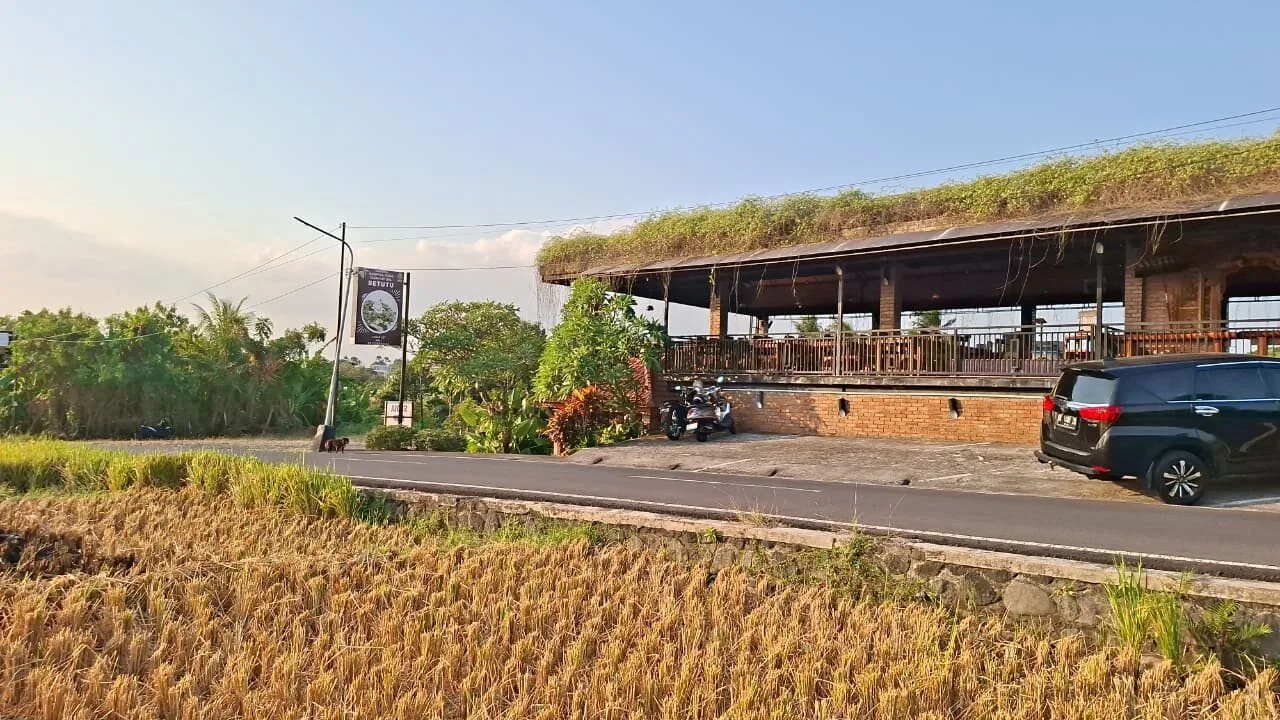
For African destinations facing rapid hotel development around beaches, national parks, lakes and historic sites, Bali’s experience raises a fundamental question: where should tourism be allowed to grow, and where should development stop?
Making tourists part of conservation
Bali has also attempted to make visitors contribute directly to protecting the destination.
Foreign tourists are required to pay a 150,000 Indonesian rupiah tourism levy, roughly US$10, with the funds earmarked for cultural preservation, arts programmes and environmental initiatives, including waste management.
The payment is made digitally through the Love Bali system.
Wayan said the digital system eliminates cash handling, with the funds transferred to the regional treasury.
The concept is straightforward: tourists who benefit from Bali’s cultural and natural assets also contribute towards maintaining them.
For Kenya and other African destinations, where tourism revenue is often closely linked to wildlife conservation, national parks and community programmes, the principle could be particularly relevant.
The challenge is not merely collecting money from tourists. It is demonstrating clearly how that money protects the experience they have come to enjoy.
Tourism with rules
Bali’s authorities are also increasingly explicit that visitors are not simply consumers entering a destination on their own terms.
The island has introduced a “Dos and Don’ts” framework for foreign tourists.
Visitors are expected to respect religious sites, dress appropriately at temples and comply with Indonesian immigration and employment laws.
Sumarajaya said the concept of “dignified tourism” means local communities should directly experience the economic benefits of tourism rather than become passive objects of an industry built around their culture.
“Culture must not oppose modernity, but it must never be eroded by modernization,” he said.
That tension may be one of Bali’s most relevant lessons for Africa.
Modern tourism requires airports, digital platforms, hotels, transport networks and social media marketing. But destinations can lose their distinctiveness when modernization becomes synonymous with replacing local identity.
Bali’s approach is to integrate technology while maintaining traditions that remain central to community life.
An opportunity in Africa
The island is now looking beyond its traditional tourism markets.
Sumarajaya described Africa as an important emerging market, arguing that rising incomes across the continent could translate into growing demand for international leisure travel.
The opportunity is already visible, although Kenya remains a relatively small
Indonesian tourism data presented to the visiting journalists showed 5,336 Kenyan visitors in 2025, up from 3,760 in 2024—an increase of about 42 per cent.
Between January and July 2026, Indonesia recorded 2,736 Kenyan visitors.
The monthly figures show considerable variation, ranging from 236 visitors in March to a year-high 507 in July.
The January-July 2026 total represents about 51 per cent of the entire 2025 figure, although a direct full-year comparison cannot yet be made because the 2026 data cover only seven months.
Kenya ranked 68th among Indonesia’s 67th through July 2026
The numbers remain modest compared with Indonesia’s majorclass and expanding appetite for international travel
What Kenya can learn
The Bali story does not offer a formula that Kenya can simply copy.
Kenya’s tourism assets, culture, geography and communities are different. Its tourism economy is heavily associated with wildlife, beaches, landscapes, adventure and diverse cultural experiences rather than Bali’s particular combination of Hindu spirituality, village life and island geography.
But several principles are transferable.
First, culture can be an economic asset without becoming a museum piece. Bali has made living traditions part of the tourism experience.
Second, conservation requires rules, not just marketing. Zoning determines where intensive tourism development can take place.
Third, communities need a direct stake in tourism. Bali’s officials repeatedly stressed that residents should benefit economically rather than merely provide the scenery for an industry owned elsewhere.
Fourth, visitors need to understand that destinations have rules. Tourism works better when cultural respect is treated as part of the visitor experience rather than an optional courtesy.
And fifth, tourism success has to finance the protection of the assets that make a destination attractive. Bali’s foreign tourist levy is an attempt to connect visitor spending with cultural and environmental preservation.
These lessons extend beyond Kenya to countries such as Tanzania, Rwanda, Uganda, Ghana and others seeking to expand tourism while protecting wildlife, heritage and communities.
The real Bali lesson
Bali’s tourism success is often explained through its beaches, resorts, temples, rice terraces and hospitality.
Those are certainly part of the attraction.
But after a century of tourism development, the island’s deeper proposition may be that the destination itself is the product.
Its culture cannot be separated from tourism. Neither can its landscapes, communities or spiritual traditions.
That is what Tri Hita Karana attempts to capture: tourism should exist within a relationship between people, nature and the divine rather than outside it.
For African destinations planning the next phase of tourism growth, that may be the more enduring lesson from Bali.
The question is not simply how to attract more tourists.
It is how to grow tourism without destroying the culture, environment and communities that made visitors want to come in the first place.

