

South Africa’s Top Court Blocks Shell Wild Coast Exploration | OilPrice.com
Breaking News:
Oracle’s $165 Billion Data Center Plan Hits a Gas Pipeline Delay
China Is Betting on Quantum Tech to Fix Its Power Grid
South Africa’s Top Court Blocks Shell Wild Coast Exploration
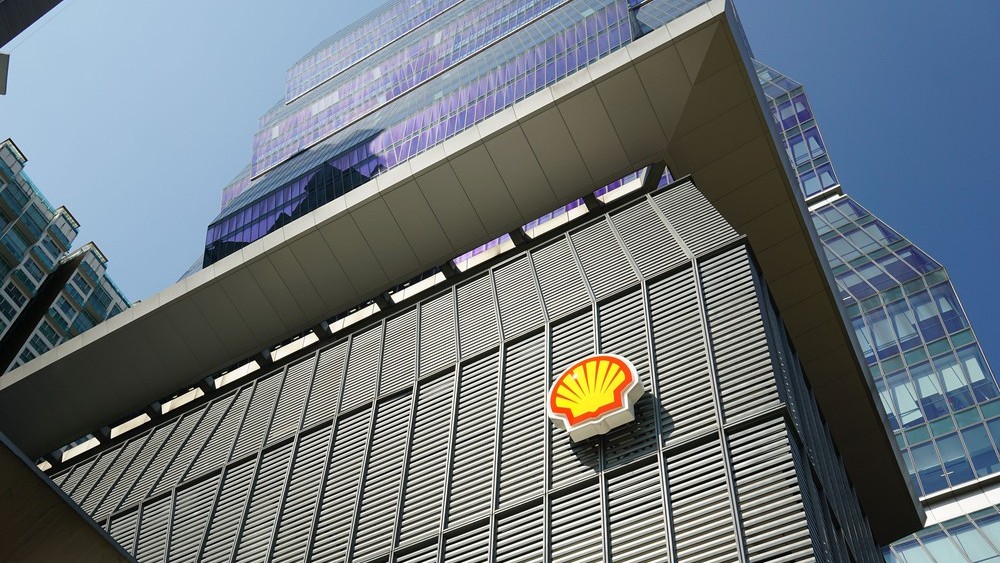
South Africa’s Constitutional Court has blocked Shell-led exploration along the country’s Wild Coast, adding another legal setback to an offshore sector already struggling to keep pace with neighboring Namibia.
The country’s highest court on Friday overturned a 2024 Supreme Court of Appeal ruling that had preserved a pathway for Shell and Impact Africa to conduct seismic surveys off South Africa’s east coast under an exploration right granted in 2014.
Local communities and environmental groups had challenged the plans partly on grounds that consultation was inadequate. Justice Jody Kollapen said the Supreme Court of Appeal order was set aside.
Shell said it remained committed to responsible offshore exploration, stakeholder engagement and environmental stewardship.
The ruling does not end Shell’s broader South African ambitions.
The supermajor received environmental authorization last year to drill as many as five ultra-deepwater exploration wells in the Northern Cape Ultra Deep Block off South Africa’s west coast, part of the Orange Basin that extends north into Namibia.
Shell has already made major discoveries on the Namibian side of that basin, where exploration has moved substantially faster.
The company has also been pursuing a 60% operating interest in South Africa’s Block 2C through a proposed farm-in agreement with state-owned PetroSA. Under that deal, Shell would pay a $25 million signing bonus and fund roughly $135 million to $150 million for an initial three-well program. The transfer still requires regulatory approval.
That leaves South Africa in an awkward position.
Its offshore acreage sits alongside one of the world’s most closely watched new exploration regions, but court challenges and permitting disputes have repeatedly delayed work on the South African side of the border.
Shell, meanwhile, has been reducing its downstream exposure in the country while continuing to pursue upstream opportunities. The company moved to sell its South African retail and trading business after previously disposing of its stake in the shuttered Sapref refinery.
More Top Reads From Oilprice.com
- Kazakhstan Accuses Big Oil of $10.7 Billion Corruption in Kashagan Oil Project
- Hormuz Crisis Pushes Asian Refiners Toward U.S. Oil
- India’s Coal Demand Set to Hit 1.6 Billion Tons by 2030
Julianne Geiger
Julianne Geiger is a veteran energy journalist and market analyst with more than a decade of experience covering the global oil and gas sector. Her… More
Most Popular
Exxon and Chevron’s $26.5 Billion Quarter Draws Trump’s Ire
Hormuz Draft Agreement Reportedly Awaits Khamenei Approval
Iran Says Hormuz Stays Closed Until U.S. Meets Six Sweeping Demands
US Crude Oil Inventories Build As Hormuz Shipping Headache Drags On
Russia’s Biggest Black Sea Oil Port Goes Quiet as Drone Threat Grows

