

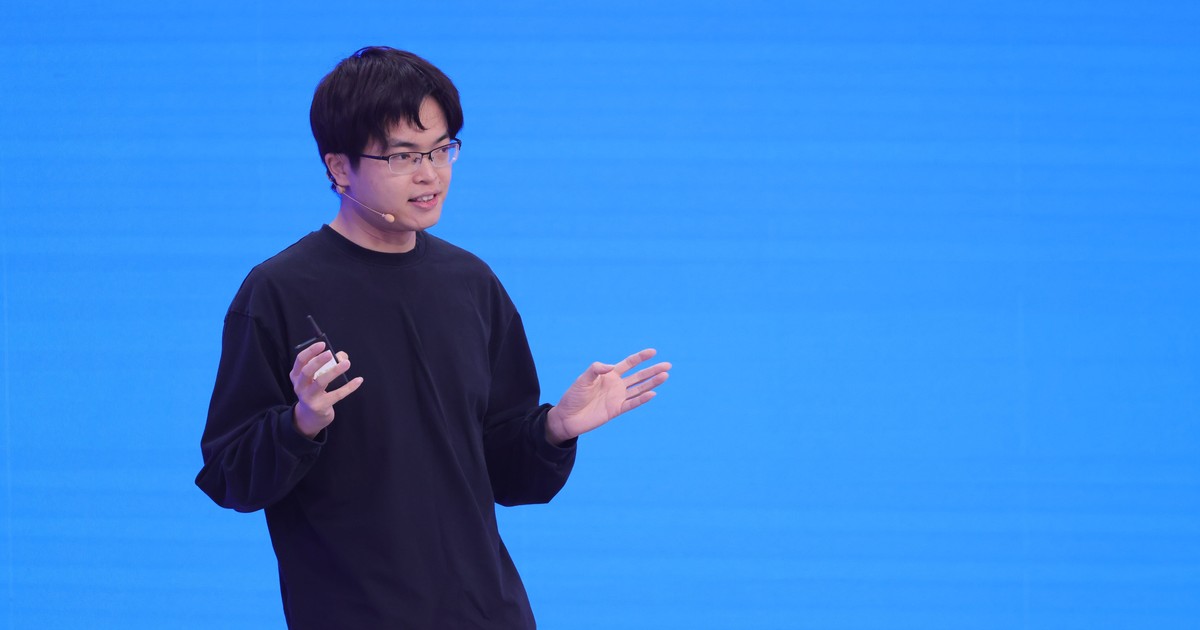
- Chinese startup Moonshot AI released Kimi K3, a powerful new model that has the tech world talking.
- Kimi K3 is the latest evidence that China is narrowing its AI gap with the US.
- Leaders from the US tech sector have been reacting to the new model online.
Moonshot says K3 still trails the most powerful proprietary models, Anthropic’s Claude Fable 5 and OpenAI’s GPT-5.6 Sol, overall, but beats the labs’ second-tier systems, Claude Opus 4.8 and GPT-5.5, on benchmarks including coding and agentic tasks.
Within a day, K3 topped Arena’s frontend coding leaderboard, ahead of every leading US model, and placed third on Artificial Analysis’s Intelligence Index.
The release, timed just ahead of the 2026 World Artificial Intelligence Conference in Shanghai, is the latest sign that Chinese labs are closing the gap with leading US systems.
It also rattled AI-related markets: Moonshot, backed by Alibaba and Tencent, is valued at roughly $31.5 billion, a fraction of the trillion-dollar-plus valuations attached to Anthropic and OpenAI.
Here’s what smart people in the worlds of tech and academia are saying about it.
<img src="https://absafricatv.com/wp-content/uploads/2026/07/x3rktkuTURBXy8yYzM2YWZhMS00NGM4LTRiZjMtOWU0ZS1lZjgzOTY0OWQ0ZDEuanBlZ5GVAs0DFs0CD8LD.jpg" alt="David Sacks, the venture capitalist who served as President Donald Trump’s first AI and crypto czar before moving in March to cochair the President’s Council of Advisors on Science and Technology, called the release concerning.In a Friday X post sharing the Arena leaderboard, Sacks said it was the first time a Chinese model had taken the top spot for frontend coding, with Kimi K3 also scoring at or near the frontier on other benchmarks.Sacks argued the US is hobbling itself in response: blocking new data centers, layering on state regulations, and pushing for federal agencies to pre-approve frontier models. This is how you lose the AI race, he wrote, warning that the rest of the world won’t play by America’s rules if it bogs itself down.Permissionless innovation is how America won the internet, Sacks said, adding that the US can win in AI while addressing risks in a targeted way, or we’ll watch our lead evaporate.”>
David Sacks, cochair of the President’s Council of Advisors on Science and TechnologyDavid Sacks, tech investor and former White House AI czar, said Anthropic’s claims about Mythos are important but should be taken with a grain of salt.”The world has no choice but to take the cyber threat associated with Mythos seriously. But it’s hard to ignore that Anthropic has a history of scare tactics,” Sacks said in an X post, sharing some examples of past instances when Anthropic issued alarming warnings or narratives about AI models.Business Insider USA

Vinod Khosla, billionaire founder of Khosla VenturesUnlike most of the billionaires on this list, venture capitalist Vinod Khosla fired salvos at Musk first.”With @elonmusk, feels like a bit of sour grapes in suing @OpenAI, not getting in early enough, not staying committed and now a rival effort,” Khosla, an OpenAI investor, said on X in March, while referencing Musk’s AI startup xAI.”Like they say if you can’t innovate, litigate and that’s what we have here. Elon of old would be building with us to hit the same goal,” Khosla added.”Vinod doesn’t know what he is talking about here,” Musk replied.But Khosla wasn’t done. Days later, he gave Musk — a frequent poster and reposter of memes — a taste of his own medicine when he posted a meme ridiculing xAI.https://t.co/wa6MUngFYp pic.twitter.com/uBu2bQhfpB— Vinod Khosla (@vkhosla) March 7, 2024
Representatives for Khosla didn’t respond to a request for comment from BI.Business Insider USA
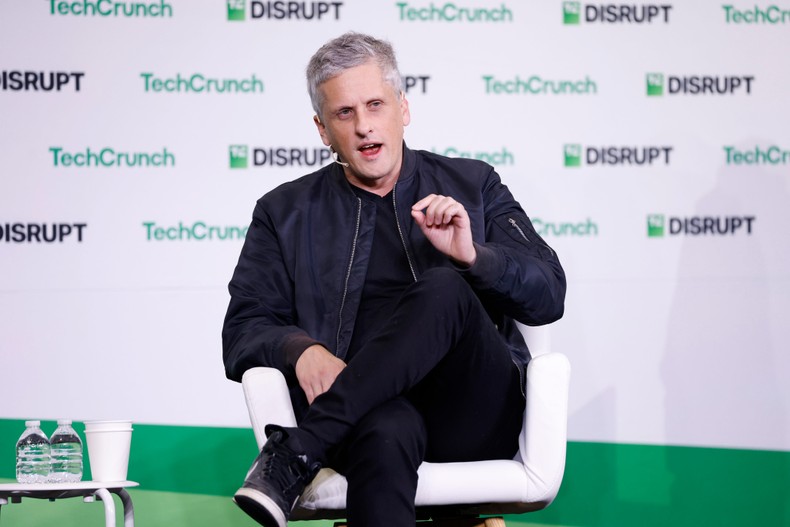
Aaron Levie, CEO of BoxAaron Levie said the release was a “huge win” for companies building on AI.In an X post on Thursday, the Box CEO congratulated the Kimi team and said it was “truly wild” to see this level of performance from open models, pointing to Kimi K3’s third-place ranking on Artificial Analysis’ Intelligence Index behind only Anthropic’s Claude Fable 5 and OpenAI’s GPT-5.6 Sol.Levie argued that cheaper frontier-level intelligence directly expands what enterprises can do with AI. There’s a large backlog of workflows companies would love to automate, he said, held back only by token costs.Business Insider USA
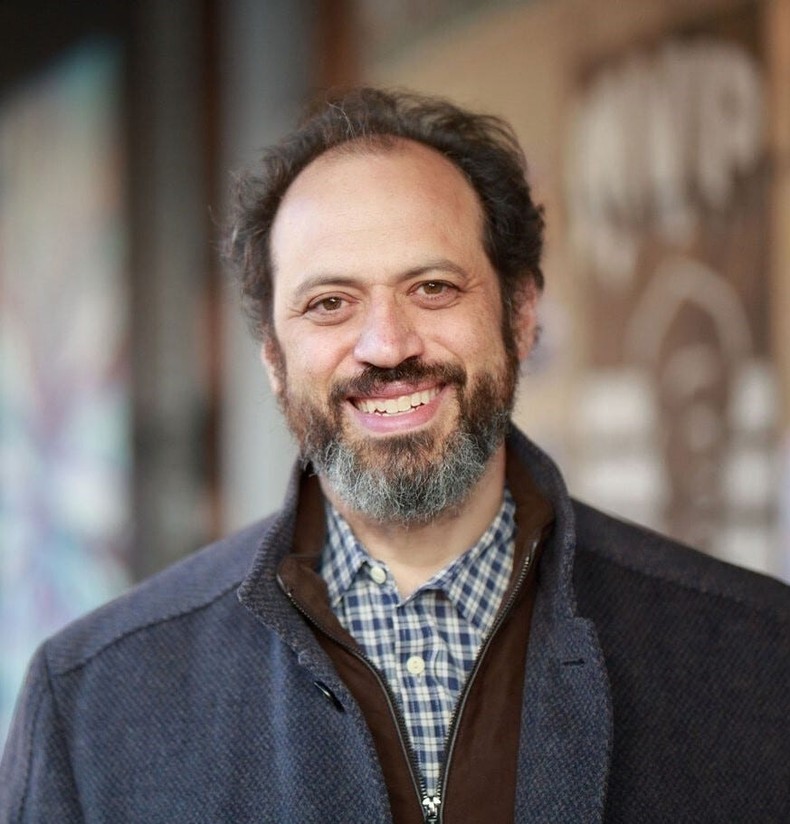
Ethan Mollick, professor at the Wharton School of the University of PennsylvaniaBusiness Insider USA
<img src="https://absafricatv.com/wp-content/uploads/2026/07/8bYktkuTURBXy9jY2QwZjgwYy02YTMzLTQ5NTQtOTFlMC0wZjA4NmY4ODIxOGIuanBlZ5GVAs0DFs0CD8LD.jpg" alt="Venture capitalist and All-In Podcast cohost Jason Calacanis said the pace of AI progress is accelerating, and made some bold predictions.It's happening folks, Calacanis wrote on X, sharing an Arena leaderboard showing Kimi K3 ranked first for frontend coding, ahead of Anthropic's Claude Fable 5 and OpenAI's GPT-5.6 Sol.He argued the field has moved faster in the last 30 days, across a dozen players, than in the previous year, with open-source models compounding while frontier labs refine.Calacanis predicted things will get wild when open-source AI reaches robotics, self-driving, and life sciences, and said that 2026 will be the year of AGI, with superintelligence following in 2027 or 2028.ITS GONNA GET VERY STRANGE, he wrote.”>
Jason Calacanis, investor and “All-In Podcast” cohostVenture capitalist and “All-In Podcast” cohost Jason Calacanis said the pace of AI progress is accelerating, and made some bold predictions.”It’s happening folks,” Calacanis wrote on X, sharing an Arena leaderboard showing Kimi K3 ranked first for frontend coding, ahead of Anthropic’s Claude Fable 5 and OpenAI’s GPT-5.6 Sol.He argued the field has moved faster in the last 30 days, across a dozen players, than in the previous year, with open-source models “compounding” while frontier labs refine.Calacanis predicted things will “get wild” when open-source AI reaches robotics, self-driving, and life sciences, and said that 2026 will be the year of AGI, with superintelligence following in 2027 or 2028.”ITS GONNA GET VERY STRANGE,” he wrote.Business Insider USA

Gary Marcus, AI researcher and professor emeritus at NYUOn Tuesday, Gary Marcus, a professor emeritus of psychology and neural science at New York University, said Monday’s report was a flashing warning.On X, he wrote that OpenAI has missed its “exponential growth” expectations and said the company could “someday be seen as the WeWork of AI,” referring to the failed office-sharing company.”OpenAI, which squandered its tremendous lead and is now missing its projections, is in trouble,” he said. “There’s no two ways about it.”Business Insider USA
