

Climate change is forcing African countries to rethink when and how they deliver malaria prevention, as shifting rainfall patterns and increasingly unpredictable transmission seasons undermine conventional approaches to controlling the disease.
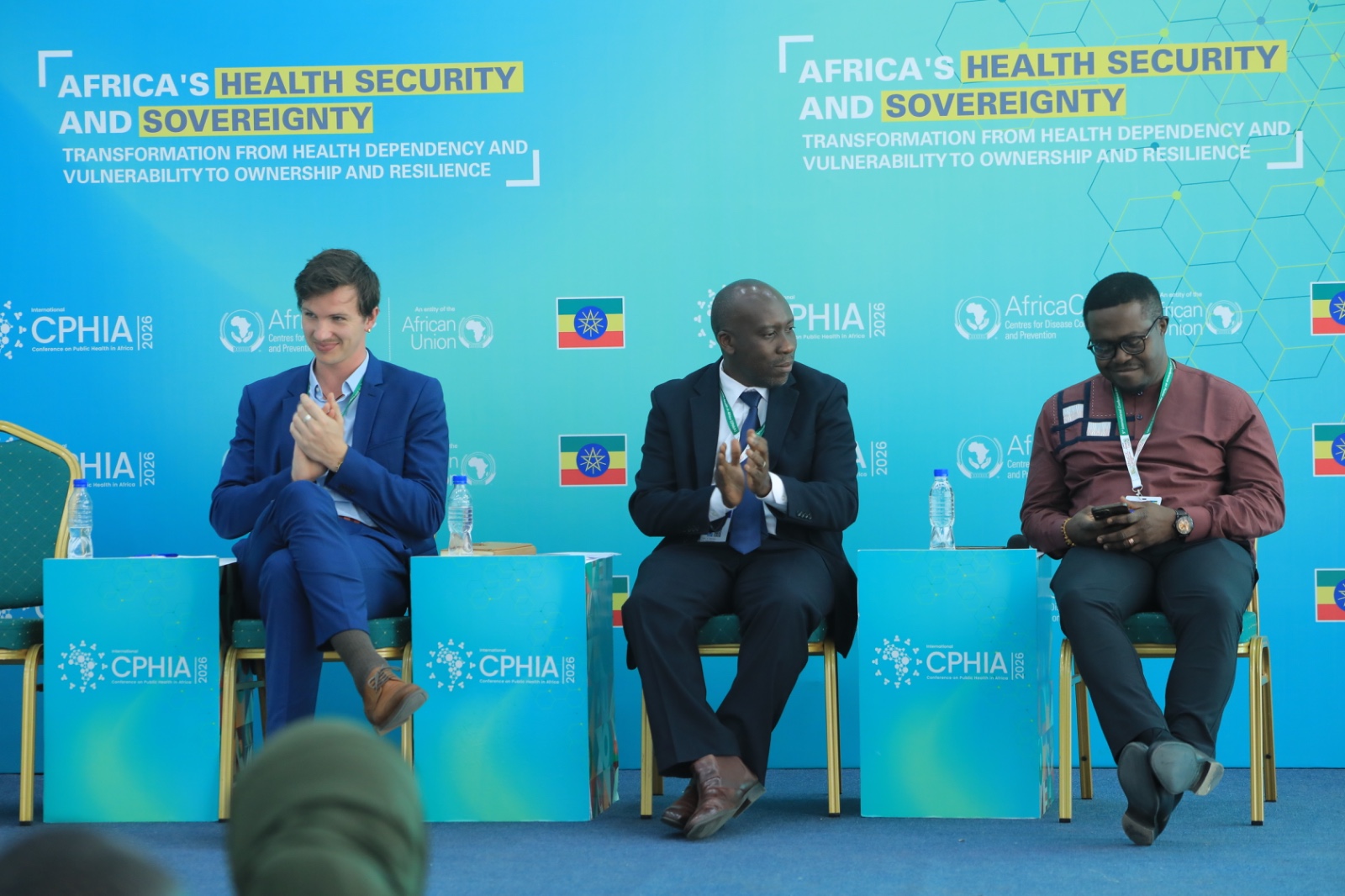
This was revealed during a side event organized by Medicines for Malaria Venture (MMV) on the impact of climate change on malaria and neglected tropical disease (NTD) elimination, held on the sidelines of the ongoing International Conference on Public Health in Africa (CPHIA).
Speaking at the meeting, Dr. André-Marie Tchouatieu, Medical Affairs Lead at Medicines for Malaria Venture (MMV) and Secretary of the Malaria Chemoprevention Alliance, said that countries can no longer depend entirely on fixed calendars to guide malaria prevention.
“For years, malaria programmes have relied on relatively predictable seasonal patterns to determine when to distribute preventive medicines and intensify interventions. But changing climatic conditions are disrupting these patterns, making it harder for health authorities to determine when communities face the greatest risk of infection,” said Dr. Tchouatieu.
He argues that malaria programmes must increasingly use climate forecasting to anticipate changes in transmission seasons and adjust preventive interventions accordingly.
According to him, observations over the past decade show that the timing and duration of malaria transmission seasons are changing, creating challenges for interventions designed around established seasonal patterns.
The changes have significant implications for seasonal malaria chemoprevention (SMC), a preventive intervention implemented in about 19 countries, where children receive antimalarial medicines at predetermined intervals during peak transmission periods.
“When transmission seasons begin earlier, end later or shift altogether, medicines risk being distributed at the wrong time, potentially leaving children exposed during periods of increased transmission,” Dr. Tchouatieu added.

The impact of these disruptions is already evident in South Sudan, where flooding affected the delivery of malaria prevention services in 2024. Dr. Denis Mubiru, Country Director for South Sudan at Malaria Consortium, said the SMC programme reached approximately 79.82 per cent of its target population in flood-affected areas, despite efforts to adapt delivery strategies.
The programme had pre-positioned medicines, trained community health workers and explored alternative ways of reaching communities, but these measures were insufficient to overcome the effects of the floods.
“We had hoped for better targets, but we reached around 79.82 per cent. This means that even with the adaptations in place, we could not fully overcome the effects of the floods,” Dr. Mubiru said.
Countries also need to strengthen climate forecasting and use seasonal information to determine when preventive medicines should be delivered rather than relying exclusively on predetermined schedules, Dr. Tchouatieu noted.
Climate information would also help health authorities anticipate disease risks, improve the timing of interventions and make better use of limited reraints
“Climate-related emergencies are also exposing weaknesses in conventional malaria treatment delivery. Standard malaria treatment often requires patients to take medicines over three days, which can become difficult when floods and other extreme weather events disrupt access to health facilities,” he said.
To address some of these challenges, malaria medicine manufacturers are now developing a long-acting injectable designed to provide approximately four months of malaria protection following a single injection.
The manufacturers are also working on a triple-combination treatment intended to simplify malaria treatment through a single-dose approach.
“These innovations are aimed at making malaria prevention and treatment easier to deliver, particularly in settings where access to healthcare is disrupted and where drug resistance is an emerging concern,” he added.
The Intergovernmental Authority on Development (IGAD) is also working to strengthen regional surveillance by combining climate information with health data to improve the prediction and monitoring of disease outbreaks.
Dr. Abade Ahmed said IGAD is working with its Climate Prediction and Applications Centre (ICPAC), based in Nairobi, to integrate climate forecasts with health surveillance information.
The approach is intended to help countries identify areas at risk of malaria outbreaks and coordinate responses, particularly in border communities where population movements make disease monitoring more complicated.
“Adapting malaria interventions to changing environmental conditions must go hand in hand with strengthening disease surveillance. He called for climate information to be incorporated into malaria surveillance systems alongside traditional epidemiological and entomological data,” added Dr.Tchouatieu.
The World Health Organization has also warned that climate change is making malaria and neglected tropical diseases harder to control by changing transmission patterns, creating new breeding grounds for disease vectors and disrupting healthcare infrastructure.
These changes who leads the Expanded Special Project for Elimination of Neglected Tropical Diseases (ESPEN) at the WHO Regional Office for Africa, are threatening gains made by African countries in controlling and eliminating diseases, particularly among vulnerable communities
“We are seeing transmission move into new areas, seasons grow longer or shorter and floods and cyclones creating new breeding sites for vectors. However, the continent cannot afford to allow climate change to reverse progress made against the diseases,” Dr. Juma said.
She highlighted Ethiopia’s hosting of COP32 next year as an opportunity to push health concerns, particularly malaria and neglected tropical diseases affecting vulnerable communities, higher on the global climate agenda.

