Close Menu
    Facebook X (Twitter) Instagram
    • Home
    • Contact Us
    • About Us
    • Privacy Policy
    • Terms Of Service
    • Advertisement
    Wednesday, August 5
    Facebook X (Twitter) Instagram Pinterest Vimeo
    ABS Africa TV
    • Breaking News
    • Trending
    • Africa News
    • World News
    • Features
    • Technology
    • Sports
    • Politics
    • More
      • Culture
      • Lifestyle
      • Travel
      • Business
      • Environment
      • Legal
      • Health
      • Cameroon
      • Ambazonia
      • AfroSingles
      • Environ/Climate
      • Editorial
      • The Leak Magazine
    • Donate
    Subscription
    ABS Africa TV
    Home»Environment»Climate change is shifting childhood malaria hotspots across Africa, finds study
    Environment

    Climate change is shifting childhood malaria hotspots across Africa, finds study

    Markel ZillaBy Markel ZillaAugust 5, 2026No Comments3 Mins Read
    Facebook Twitter Pinterest LinkedIn Tumblr Email
    Climate change is shifting childhood malaria hotspots across Africa, finds study
    Share
    Facebook Twitter LinkedIn Pinterest Email

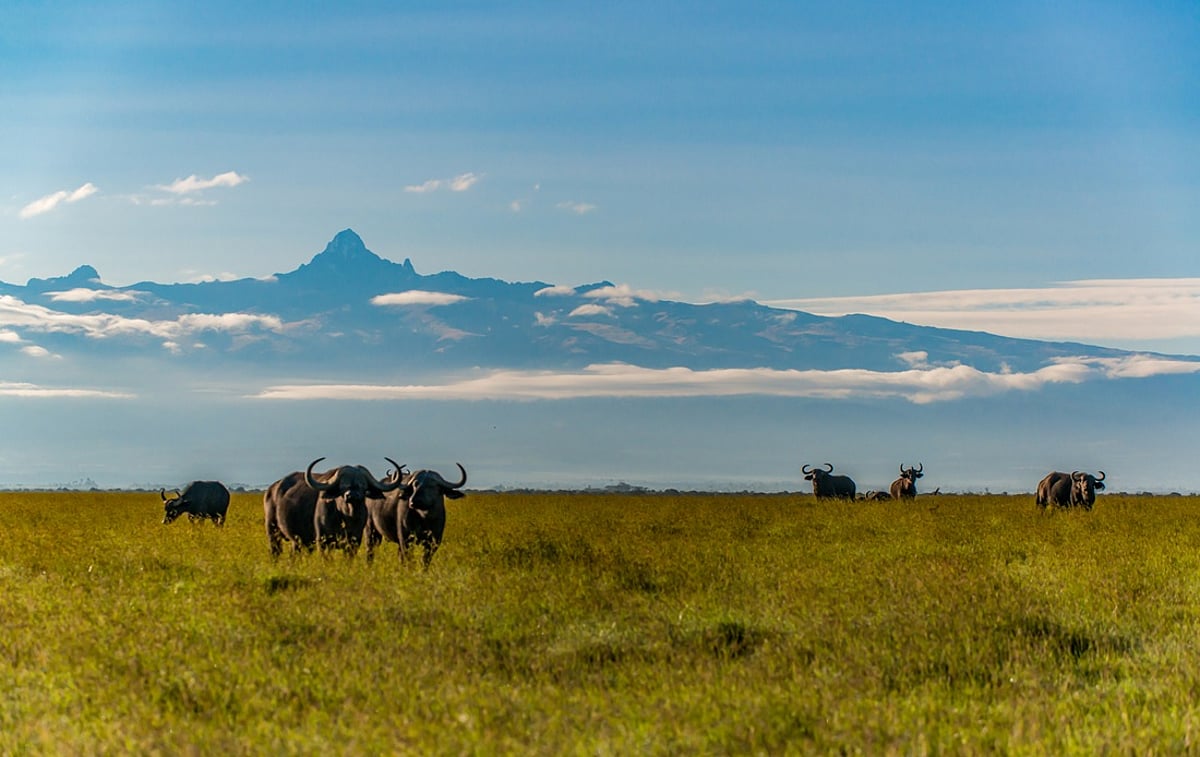
    Cape Buffalo near Mount Kenya in East Africa. Photo: iStock

    A new study led by researchers at Yale University School of Public Health reveals that climate change is reshaping the geography of childhood malaria across sub-Saharan Africa, increasing the disease risk in cooler highland regions while reducing transmission in some of the continent’s hottest areas.

    Published in the journal Nature on July 29, 2026, the research provides the most comprehensive assessment to date of how climate change has influenced an infectious disease, offering fresh evidence in the long-standing debate over the relationship between global warming and malaria.

    The study quantifies climate change’s historical and future impact in sub-Saharan Africa’s children, where most cases and deaths occur.

    The study examined the historical and projected impact of climate change on childhood malaria, which accounts for the overwhelming majority of malaria cases and deaths in sub-Saharan Africa.

    The researchers found that mosquito-borne transmission of the malaria parasite peaks at temperatures of around 25 degrees Celsius and declines at temperatures below 16 or above 34 degrees Celsius. In addition, mosquito populations increase during periods of heavy rainfall.

    These temperature thresholds explain why warming is making previously cool regions more suitable for malaria transmission, particularly in southern Africa and the highlands of East Africa.

    East Africa has seen an increase in malaria, particularly in highland regions. The study estimates that climate change has increased malaria prevalence by an average of 0.32 percentage points across the region, with some parts of the Ethiopian Highlands and the Greater Rift Valley recording increases of 1–2 percentage points. In high-elevation areas above 1,000 metres, malaria prevalence rose by an average of 0.81 percentage points. At the same time, some lowland regions of Ethiopia, Sudan, South Sudan, Eritrea and Djibouti experienced small declines, highlighting how warming affects different landscapes in contrasting ways.

    At the same time, researchers have suggested that parts of West and Central Africa, which currently bear the highest malaria burden, may experience reduced transmission as rising temperatures exceed the optimal range for the disease. Under a high-emissions scenario, West Africa could see malaria prevalence decline by as much as 4.5 percentage points by 2100.

    The findings suggest climate change will continue to shift malaria into cooler regions even as it suppresses transmission in areas that become too hot for mosquitoes to thrive.

    According to the study, limiting global warming to below 2 degrees Celsius instead of around 3 degrees Celsius could avoid an average of five additional malaria cases per 1,000 children in high-altitude areas of East Africa and in Southern Africa by 2100.

    The findings help resolve a decades-long debate over the role of climate change in malaria transmission and provide a framework for measuring the broader global health impacts of climate change.

    Post Views: 17

    Change childhood Climate malaria shifting
    Share. Facebook Twitter Pinterest LinkedIn Tumblr Email
    Markel Zilla
    • Website

    Related Posts

    China’s renewable energy plan could accelerate the global energy transition

    August 4, 2026

    Encounters with the Leopards of Africa’

    August 3, 2026

    This Conservationist Is Helping Lions and People Coexist in Zimbabwe

    August 2, 2026
    Leave A Reply Cancel Reply

    Search
    Latest Post

    Gazelle Safari Company names Extra Mile Representation as its India representative

    August 5, 2026

    Trump says Iran will be ‘hit very hard’ if Hormuz Strait not open soon as oil prices fall

    August 5, 2026

    Infant and young child feeding

    August 5, 2026

    HMM to Launch Direct India–East Africa Container Service in September

    August 5, 2026

    Why Europe’s African border remains a flashpoint

    August 5, 2026

    Subscribe to Updates

    Get the latest creative news from FooBar about art, design and business.

    • Facebook
    • Twitter
    • Pinterest
    • Instagram
    • YouTube
    • TikTok
    ABS TV and ABS Network News is a leading Pan-African 24/7 broadcasting network delivering nonstop news, talk shows, lifestyle programs, and digital media content worldwide through Satellite, Streaming Platforms, and Roku TV.
     
    Based in the United States, we connect Africa to the world while empowering creators, journalists, and brands through innovative media and broadcasting services.
    Facebook X (Twitter) Pinterest WhatsApp Instagram

    Our Picks

    Travel

    Gazelle Safari Company names Extra Mile Representation as its India representative

    World News

    Trump says Iran will be ‘hit very hard’ if Hormuz Strait not open soon as oil prices fall

    Africa News

    Infant and young child feeding

    Most Popular

    Features

    HMM to Launch Direct India–East Africa Container Service in September

    Trending

    Why Europe’s African border remains a flashpoint

    Breaking News

    East Africa’s iconic snow peaks will soon disappear for good: What will be lost when they melt

    © 2026 Copyright. All Rights Reserved by ABSAFRICATV
    • Privacy Policy
    • Terms of Services

    Type above and press Enter to search. Press Esc to cancel.

    We use cookies to ensure that we give you the best experience on our website. If you continue to use this site we will assume that you are happy with it.