


India has initiated efforts to join the French-led Combat Air System (FCAS) fighter programme, even as New Delhi pushes ahead with its own fifth-generation AMCA.
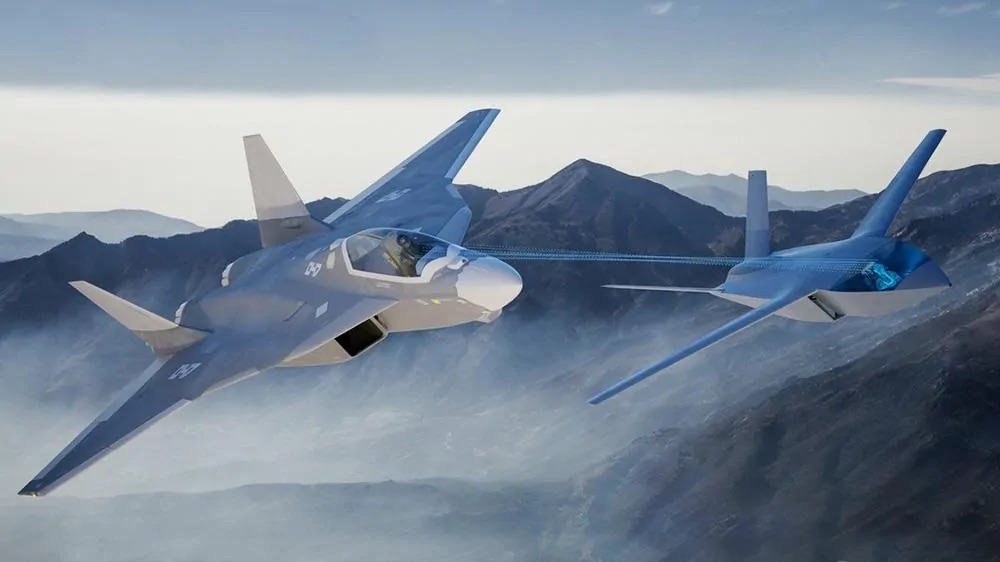
The Ministry of Defence has told Parliament that it has “initiated efforts in a concerted manner” to co-join the FCAS programme, confirming for the first time that discussions with France are under way.
The disclosure came in the government’s action-taken report to the Parliamentary Standing Committee on Defence on 7 August, which had previously asked the ministry to establish a clear path towards acquiring a sixth-generation fighter. The committee has now sought a detailed status report covering India’s proposed participation, a development and acquisition roadmap and tentative timelines.
For India, the talks may be less about buying another fighter and more about deciding how much of the technology and industrial work behind the next generation of combat aircraft it can gain access to.
The FCAS discussions come at an important point for the Indian Air Force.
Why India wants to join the FCAS sixth-generation fighter programme
India is already investing heavily in rebuilding its fighter fleet. It has 36 Rafales in service, is expanding the indigenous Tejas programme, is moving AMCA towards prototype development and is also discussing additional Rafale aircraft with France.
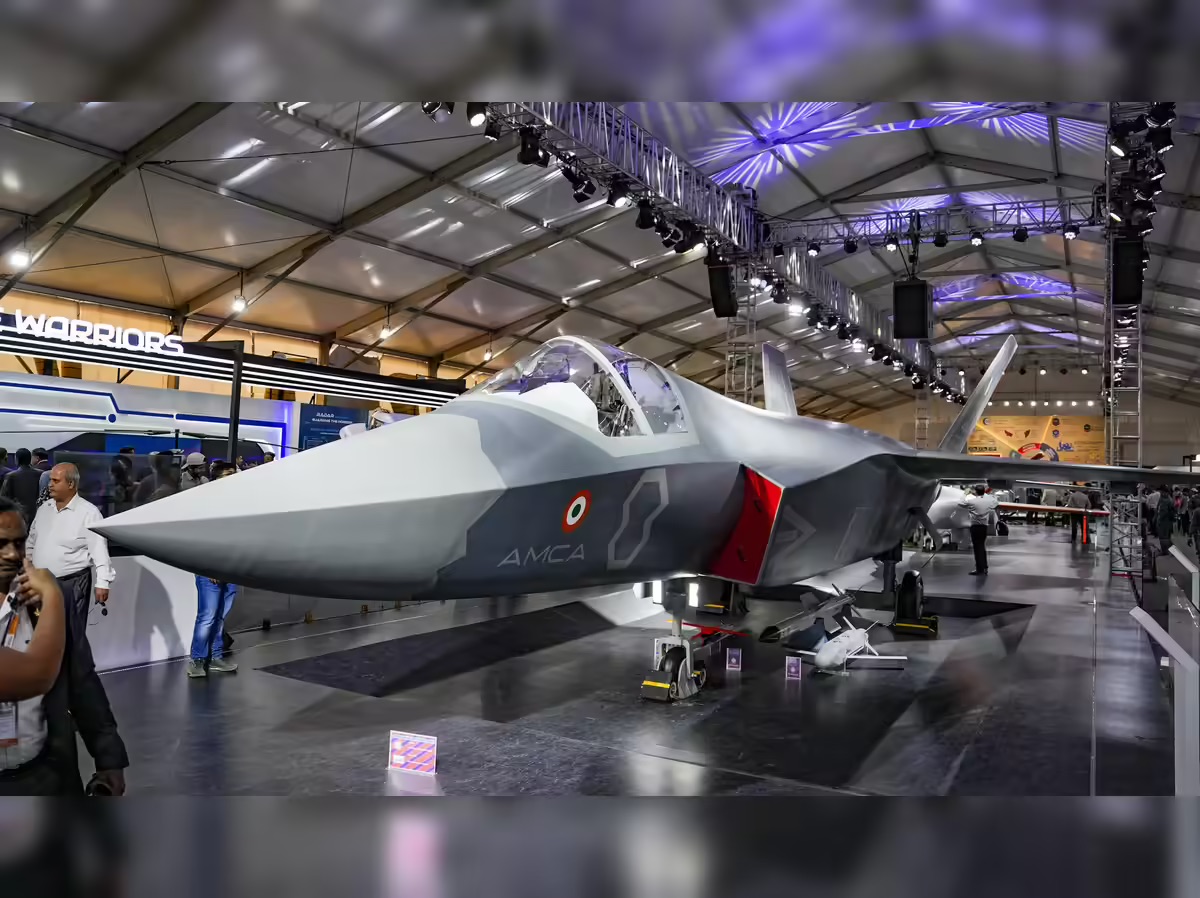
The AMCA is intended to give India its own fifth-generation fighter. FCAS sits one step beyond that programme. That creates both an opportunity and a potential problem.
India does not need another programme that simply duplicates capabilities it is already trying to develop through AMCA. The value of joining FCAS would therefore depend on what India can gain that it cannot develop as efficiently on its own.
That is where the negotiations become important.
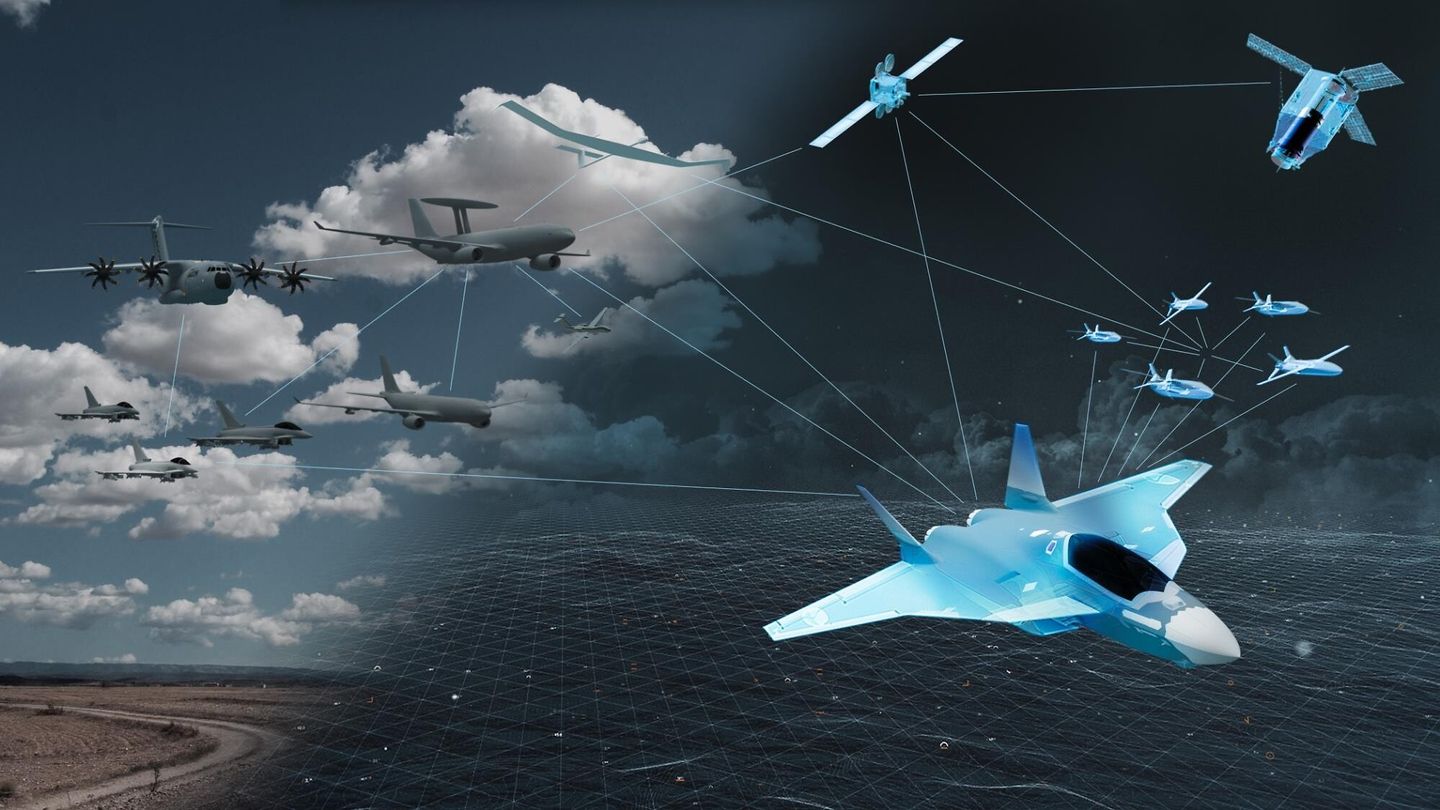
The FCAS concept is not simply a new fighter aircraft. It is built around a wider combat system in which a crewed next-generation fighter works with uncrewed platforms and other assets through a networked combat cloud.
For India, access to that architecture could be more valuable than the aircraft itself.
What technologies could India gain from the FCAS programme?
A sixth-generation fighter is expected to rely heavily on technologies that extend beyond stealth and advanced radar.
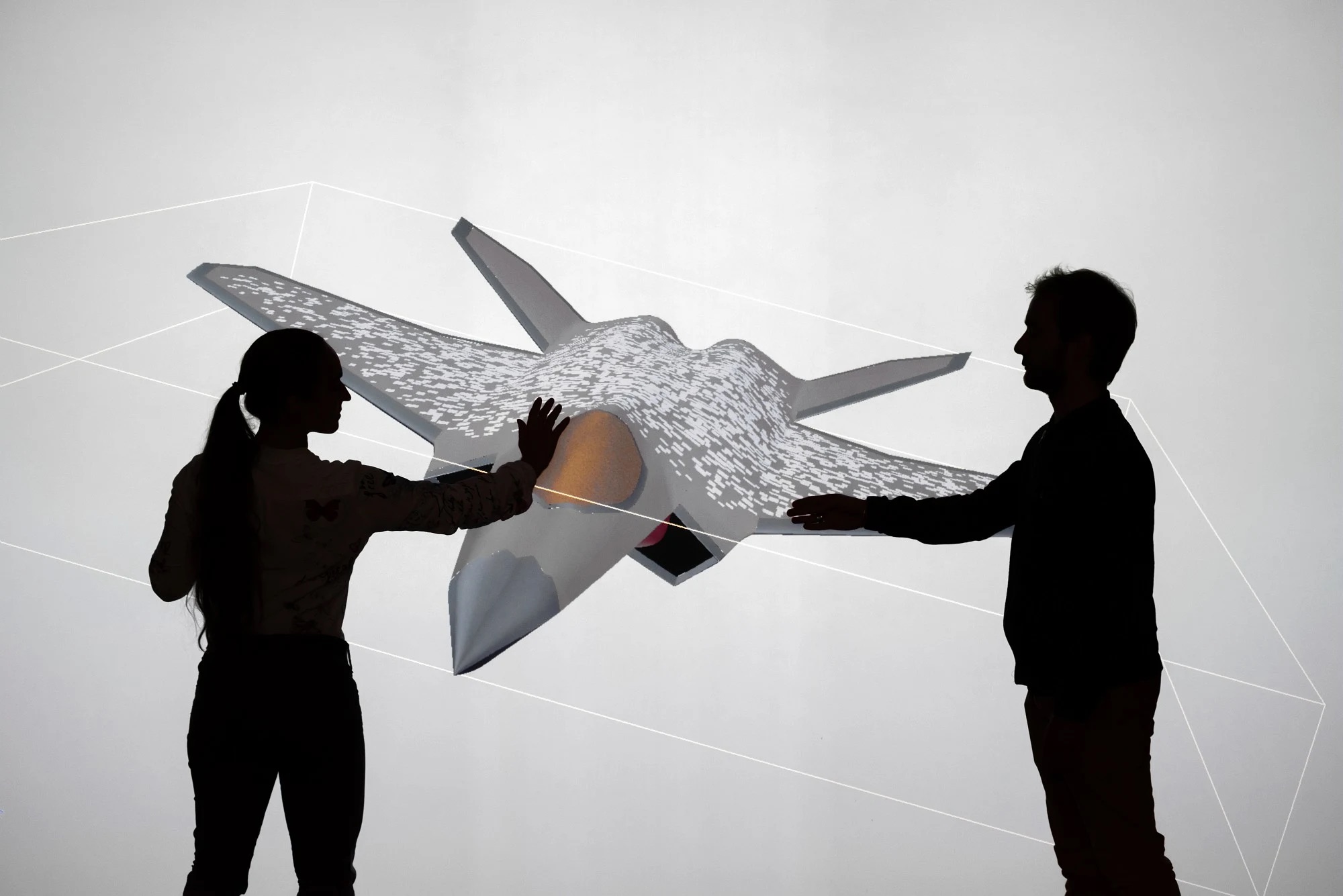
These include autonomous systems, manned-unmanned teaming, advanced electronic warfare, sensor fusion, secure high-capacity communications, software-defined mission systems and propulsion capable of generating more electrical power for increasingly demanding onboard systems.
The FCAS concept places the fighter at the centre of a wider network. Remote carriers could undertake reconnaissance, electronic warfare, strike, decoy and other missions while the crewed aircraft acts as a command and decision-making node.
Many of the technologies associated with FCAS are also viewed as important for future Indian combat-aircraft development programmes.
The question for New Delhi is therefore not simply whether it can participate in FCAS. It is what role it will be allowed to play.
According to akshare, access to intellectual property, design responsibilities, software access, weapons integration and the ability to modify or upgrade systems in the future are among the subjects under consideration. Nothing has been finalised, ang and share programme costs, but discussions remain under way, the
That leaves considerable room for the eventual shape of the partnership.
How changes to the FCAS programme could affect India
The FCAS programme has itself reached a turning point. The original European effort brought France and Germany together, with Spain joining later. The programme was built around a Next Generation Fighter, unmanned Remote Carriers and the Combat Cloud.

Industrial disagreements eventually put the fighter element under severe strain, with Dassault Al authority, workshare and intellectual property
India’s move to explore participation therefore comes at a time when the future structure of the programme is evolving.
Analysts said that does not mean New Delhi can simply step into the space previously occupied by Germany and inherit its industrial role. The programme would need to be restructured, and the division of responsibilities would have to be negotiated, they opined.
For India, that could be both an opportunity and a risk.
A programme being rebuilt creates scope to negotiate industrial participation from an early stage. But it also means that some of the fundamental questions around the future fighter remain unsettled.
FCAS and AMCA: How India’s fifth- and sixth-generation fighter plans align
India’s AMCA programme is already intended to develop several of the capabilities associated with modern stealth combat aircraft.
The programme is moving towards prototype construction, with Indian companies being prepared to undertake the work and flight-test infrastructure being established. The first aircraft are expected to emerge later this decade, with induction planned for the 2030s if the programme stays broadly on schedule.

That means India cannot treat FCAS as a replacement for AMCA. The two programmes would have to complement each other.
AMCA could provide India with experience in designing and producing a fifth-generation fighter domestically. FCAS could potentially expose Indian industry and research institutions to technologies that are likely to dominate the following generation: autonomous teaming, combat-cloud architecture, advanced propulsion and highly integrated sensors and electronic warfare.
Lessons from India’s previous fifth-generation fighter partnership
There is also a lesson from India’s previous attempt to develop a future fighter with a foreign partner.
New Delhi worked with Russia on the Fifth Generation Fighter Aircraft programme but eventually withdrew in 2018 following disagreements over workshare, technology access and the aircraft’s ability to meet Indian requirements. That experience makes the terms of any FCAS participation particularly important.
India would have to determine whether it is entering the programme as a customer, manufacturing partner, technology partner or genuine development partner.
Those distinctions would affect how much India learns from the programme and how much control it retains over the resulting technology.
The parliamentary committee’s request for a roadmap and timeline is therefore significant. It gives the government an opportunity to define what it actually wants from FCAS before committing to the programme.
Read more defence news on AGNRead more defence news on AGN
News
Air TransportDefenceDefence & SecurityIn the SpotlightInnovation & TechnologyManufacturing6th generation fighter jetAMCAFCASFrance-India DefenceIndian Air Force
Sign up for our newsletter and get our latest content in your
inbox.
1
What happens when an aircraft engine fails?What happens when an aircraft engine fails?
engine failure
2
Why can’t aircraft fly through volcanic ash?Why can’t aircraft fly through volcanic ash?
Mount Etna
3
Passengers still rank Qatar Airways’ Qsuite as the world’s top business class nearly a decade after launch – now Next Gen is on the wayPassengers still rank Qatar Airways’ Qsuite as the world’s top…
Qatar Airways
4
NATO fighter jets shoot down drone over Lat

